Britt Larson, Functional Health, IFBB Pro. February 10, 2025.
The Harsh Truth About Fitness Failure
Let’s be real – if getting in shape was just about knowing what to do, everyone would have abs by now. The internet is full of professionals, right? Free workouts, meal plans, advice, all the things! Yet most people still struggle.
It’s not because you’re lazy. (It could be, but we’re focusing on the positive here) It’s not because you lack motivation.
The real reasons people fail?
The all-or-nothing trap: You either go 100% or quit completely.
Focusing on the wrong things: Weight over body composition, cardio over muscle, motivation over habits.
Misinformation about nutrition: Thinking you’re eating “healthy” but constantly feeling stuck.
No structure or accountability: Winging it instead of following a real plan.
If you’ve ever felt frustrated, stuck, or like you’re failing, let’s break down what’s actually holding you back – and some ways of how to fix it.
1. The ‘All or Nothing’ Mentality is Keeping You Stuck
Have you ever started a fitness plan and told yourself, This time, I’m doing everything right – clean eating, six workouts a week, no sugar – no excuses!!
At first, it feels great. You’re locked in, committed. You’ve told everyone on social media and maybe even started getting somewhere.. But then…
THEN..
You miss a workout and in creeps the guilt.
You eat one “bad” meal and think, I ruined it. Shame.
You tell yourself, I’ll start over Monday. Yeah, but it’s only Wednesday, my dude.
Then Monday comes… and the cycle repeats.
Does This Sound Familiar?
Maybe you’ve done this before – gone all-in, bought all the supplements, the fancy shoes and name brand leggings, only to crash and burn. The problem isn’t specifically that you lack discipline. It’s deeper than that. The problem is the mindset that you’re trying to be perfect instead of consistent.
The Fix: 80/20 Instead of Perfection
What if, instead of aiming for perfect, you simply aimed for better?
15-20% flexibility – the foods you love, in a way that fits your goals.
One off-track meal doesn’t ruin progress. But quitting because of it does. The people who succeed aren’t perfect – they’re just the ones who keep going. Like the tortoise and the hare, we know who crosses the finish line first in that story. 🙂
2. You’re Focusing on the Wrong Metrics
Most people measure success by weight on the scale and how sweaty they get at the gym.
Here’s the problem:
The scale doesn’t tell you if you’re losing fat or muscle. It also doesn’t know if you have to poop or just had a big glass of water. The scale JUST gives you a number. No more, no less.
A tough workout doesn’t mean an effective one. An hour of straight jumping jacks. Work? Yes. Effective? I’d disagree.
Weight loss ≠ body recomposition. A 130lb person at 16% body fat looks very different from a 130lb person at 35% body fat.
Have You Ever Done This?
Maybe you’ve been killing your workouts, eating well, and feeling stronger – but the scale hasn’t budged, so you assume you’re failing. I mean, your clothes are fitting better, your friends have mentioned how much brighter your skin looks and you can run further than you ever have before. The scale though – you’re probably failing, right?
Or you’ve done endless cardio, lost weight, but your body still feels soft instead of lean. What gives?
The Fix: Shift Your Focus to Strength & Body Composition
Track progress photos, measurements, and how your clothes fit. Once every week or two weeks. You’d be amazed at how cool it is to see your progress AND it pumps you up to keep going!
Focus on getting stronger, not just burning calories. Strength leads to muscle and muscle leads to curves (and extra calorie burn!).
Muscle = metabolism. The more you build, the leaner you look even at the same weight.
When you stop chasing a smaller number and start chasing a stronger body, everything changes because the habits are different. The progress is in the daily habits.
3. You’re Eating “Healthy” But Still Struggling
Think back to a time when you felt like you were doing everything right with food but still weren’t getting results.
Maybe you were:
Not eating enough → Your metabolism then adapted by slowing down.
Eating way too much without knowing it → Excess means fat storage.
Relying on “healthy” packaged foods → Full of preservatives, hidden sugars, calories, and gut disruptors. Often, packaged foods have a discrepancy between what’s on the label and what the actual calorie and macro counts are.
Skipping meals and then overeating later → Leading to cravings, bloating, and inconsistency.
The Problem with Convenience Foods
Most “healthy” packaged foods are designed to last on a shelf, not fuel your body. They’re loaded with stabilizers, seed oils, and synthetic additives that can mess with digestion, hormones, and metabolism.
Some common culprits you might be relying on:
❌ “Healthy” granola bars – Usually just candy bars with a marketing twist. Loaded with cheap syrups, seed oils, and low-quality protein. ✅ Swap for: A protein shake with a handful of raw nuts + a piece of fruit, or a homemade protein ball with nut butter, oats, and honey.
❌ Flavored oatmeals and cereals – Packed with added sugars and artificial flavors that spike blood sugar and leave you hungry an hour later. ✅ Swap for: Plain oats with cinnamon, fruit, and a scoop of protein powder or egg whites on the side.
❌ Low-calorie frozen meals – Marketed as “fit” or “lean,” but they’re often low in protein, high in preservatives, and leave you feeling unsatisfied. ✅ Swap for: Prepping your own protein + carb + veggie combo in bulk (grilled chicken, roasted sweet potatoes & Brussel’s sprouts).
❌ Deli meats and pre-seasoned chicken – Sounds healthy, but most are pumped with sodium, preservatives, and hidden sugars. Something-something about nitrates that we should minimize. ✅ Swap for: Cooking fresh chicken, turkey, or grass-fed beef with simple spices like salt, pepper, and garlic. Throw a roast in the InstaPot with veggies and seasonings, it’s easy and better!
❌ Sports drinks and energy drinks – Marketed as performance-boosting, but full of artificial sweeteners, dyes, and unnecessary stimulants. ✅ Swap for: Electrolytes without fillers (LMNT, Redmond Re-Lyte) or simply water with a pinch of sea salt and lemon.
Instead of relying on these, build meals with real, one-ingredient foods—not just whatever’s labeled as “healthy” in a box.
Not only will you feel better, but your metabolism and digestion will work with you, not against you.
4. You Rely on Motivation (You Mean, Captain Unreliable?)
You know that rush of excitement when you start something new? That feeling that this time, I’m REALLY going to do it?
Then… life happens.
Work gets stressful.
You get tired.
The motivation fades.
You get… gasp bored. (Some of the most effective programs are, indeed, the boring ones)
And when motivation fades, so does consistency.
Have You Ever Thought, “I Just Need More Motivation”?
The problem is, motivation isn’t what gets results – systems do.
The Fix: Build Systems, Not Just Hype
Set bare minimums – even if it’s just a 20-minute walk, do something. Some minimums for me are: 1 mile. 1 chapter. 1 hour. It’s a low bar to entry and that means an easy win – even on the days where it DOESN’T feel “easy.”
Make fitness part of your identity (I train because it’s who I am, not just something I do).
Focus on habits, not just results. Small actions, repeated daily, lead to big change. The PROGRESS is in the PROCESS.
5. You Don’t Have a Plan or Accountability
If you’ve ever felt stuck despite “trying everything,” ask yourself – do you have a real plan, are you just tinkering around guessing, or are you waiting to get everything PERFECT before you start?
Do you track your progress? Or just hope it’s working?
Do you have structure? Or are you doing random workouts with no progression?
Do you have accountability? Or do you quit when life gets in the way?
Does This Sound Familiar?
You start strong, but without a clear plan, you lose direction. No one’s checking in, and it’s easy to let yourself off the hook.
The Fix: Get Clear on Your Process
Follow a structured plan – not just random workouts.
Find accountability – a coach, a community, or a training partner.
When writing your to-do each week – add a completion date next to each item.
The people who succeed aren’t winging it. They have a system that keeps them on track, even when motivation is low.
The Only Real Way to Stop Failing at Fitness
Most people don’t fail because they’re lazy. They fail because they’re stuck in bad systems, chasing the wrong things, and making it WAY harder than it needs to be.
The fix?
✅ Drop the all-or-nothing mentality. It sucks. ✅ Focus on building muscle, not just burning calories or whatever the scale says that day. ✅ Eat like an adult (real food, not just convenience foods like bars, powders, and microwave meals – learn how to cook to make food *taste good*, too!) ✅ Build systems, not just chase motivation. When motivation isn’t there – just show up. ✅ Get accountability – don’t go at it alone.
Next week, I’ll be breaking down the “Keep It Stupid Simple” plan – because fitness doesn’t need to be complicated, just effective. If you’re tired of second-guessing every decision, I got you pal.
But in the meantime, I’d like you to say something to yourself. I MEAN IT. Don’t roll your eyes! I want you to say this with intention and actual care, because you SHOULD CARE about yourself.
“I am choosing to love myself enough to do what’s best for my health. That means taking action by putting effort into what goes into my body, mind, and soul – not just winging it and hoping for the best.”
ask yourself: What’s ONE small change I can commit to this week?
It all adds up. 🙂
And hey, if you’re tired of overcomplicating fitness and want a real, sustainable plan that works for your body and your life, let’s talk.
Don’t forget – next week, I’m dropping the “Keep It Stupid Simple” plan. No fluff, no nonsense, just a straight-up guide to getting it done without losing your mind. Stay tuned!
Until then – lift, eat like an adult, and be consistent.
This article is for educational purposes only and is not intended to diagnose, treat, or replace professional medical advice. Always consult with a healthcare provider before making any major changes to your diet, exercise, or supplement routine—especially if you have pre-existing conditions.
By Britt Larson, Functional Health, IFBB Pro. February 3, 2025
More Than Just a Muscle Booster
Creatine has been the King Dingaling of the supplement world for decades, EVERYONE ASKS ABOUT IT, and for good reason. It’s one of the most well-researched, safest, and most effective supplements for building muscle and boosting athletic performance. But here’s the thing – creatine isn’t just for bodybuilders.
If you think creatine is only useful for those gym dudes screaming out, “LIGHT WEIGHT BABYYY!” while trying to deadlift, think again. Whether you train hard, hit the gym occasionally, or don’t exercise at all, creatine has some serious benefits for your brain, metabolism, and overall health. In fact, researchers are now looking at creatine for everything from cognitive function to aging, injury recovery, and even mental health.
So, let’s break down what creatine actually does, who should take it, and why you might want to take more than you think.
Why Creatine Is a Staple in the Bodybuilding World
We’ll start with the obvious reasons why creatine is a non-negotiable for athletes and lifters:
1. More Strength & Power
Creatine helps your body produce more adenosine triphosphate (ATP) -aka the energy currency of your muscles.
More ATP = more explosive power, better performance, and the ability to push out extra reps. Extra reps? More muscle. Love that for us.
2. Faster Muscle Growth
Creatine increases cell volumization (muscle hydration), which enhances protein synthesis and muscle repair.
More water inside your muscles = fuller, thicker-looking muscles and better recovery between workouts.
3. Reduced Fatigue & Faster Recovery
Studies show creatine reduces muscle damage and inflammation after intense training.
It also helps replenish muscle glycogen stores faster, which means better recovery and less soreness.
But what if you don’t care about bro-ing out and lifting heavy? What if you just want better energy, a sharper brain, or a healthier body? That’s where creatine gets even more interesting, keep reading, we’re getting to more good stuff. 🙂
The Unexpected Benefits of Creatine (Even If You Don’t Work Out)
1. Brain Health & Cognitive Function
Creatine isn’t just a muscle fuel – it’s a brain fuel!
Your brain uses a massive amount of ATP for memory, focus, and mental processing.
Research shows creatine improves cognitive function, especially in sleep-deprived people or those under stress.
There’s also evidence that creatine supplementation may reduce the risk of neurodegenerative diseases like Parkinson’s and Alzheimer’s.
2. Mood & Mental Health
Some studies suggest creatine may help with depression by enhancing serotonin and dopamine function.
It’s also been shown to improve mental resilience and stress tolerance – useful for anyone dealing with burnout or chronic fatigue.
3. Cellular Energy & Aging
As we age, ATP production declines, leading to fatigue, slower recovery, and muscle loss.
Creatine helps mitigate age-related muscle decline and keeps your body’s energy systems running smoothly.
Studies suggest it may even support mitochondrial function, which is key for longevity.
4. Gut Health & Inflammation
Some new research suggests creatine may have anti-inflammatory effects in the gut.
It could help support immune function and reduce oxidative stress at the cellular level.
5. Metabolism & Blood Sugar Control
Creatine may help improve glucose metabolism, making it a useful tool for people with insulin resistance or metabolic issues.
Some research suggests it enhances glycogen storage in muscles, helping regulate blood sugar levels.
How Much Creatine Should You Take?
The standard recommendation is 3-5g per day, which is enough to saturate muscles over a few weeks. However, there’s growing evidence that higher doses (15-20g daily) might provide even greater benefits, especially for brain health, faster muscle saturation, and anti-inflammatory effects.
Higher-Dose Creatine (15-20g): Who Might Benefit?
Athletes who train intensely (to saturate muscles faster).
People with cognitive issues (brain fog, mood disorders, or neurodegenerative concerns).
Older adults (to combat muscle and cognitive decline).
Those recovering from injuries or dealing with chronic inflammation.
Those in heavy studies, needing a brain-boost.
How to Implement Higher Dosing Safely:
Instead of taking 15-20g all at once (which might cause stomach issues), split it into 3-4 smaller doses throughout the day.
Example: 5g in the morning, 5g pre-workout, 5g post-workout, 5g before bed.
If you’re new to creatine, start with 10g/day for a week, then adjust based on tolerance.
Types of Creatine: Which One Should You Take?
Not all creatine is created equal, and supplement companies love marketing “fancier” versions that usually don’t offer anything special (and ESPECIALLY love to jack up prices for us ladies). BUT! Here’s the breakdown for creatine, specifically:
1. Creatine Monohydrate (The Gold Standard)
The most studied, most effective, and cheapest form.
Micronized versions (Creapure®) mix better in water and reduce stomach discomfort.
This is the one you want.
2. Creatine HCl (Hydrochloride)
Marketed as being more soluble in water, can be more pricey, and no major research shows it’s superior.
*Could be* useful if you have digestive issues with monohydrate.
These are mostly marketing gimmicks – no proven advantage over monohydrate. Capitalism loves a flashy gimmick to rake in that dough!
They’re often more expensive with no additional benefits.
Bottom line? Stick with Creatine Monohydrate unless you have specific digestive issues.
Common Myths & Misconceptions
❌ “Creatine Causes Kidney Damage”
This myth won’t die. Studies on healthy individuals show zero negative effects on kidney function.
If you have pre-existing kidney disease, consult your doctor.
❌ “Creatine Makes You Bloated”
Creatine pulls water into your muscles, not under your skin, so it doesn’t cause puffiness or “water retention” the way some people fear.
If you experience bloating, it’s likely from taking too much at once – split your doses.
❌ “You Have to Load Creatine”
Loading (20g per day for a week) isn’t necessary unless you want to saturate muscle stores quickly.
If you prefer a slow approach, 3-5g per day will get you there in 3-4 weeks.
So! Should You Take Creatine?
Unless you have a medical reason not to, yes.
If you’re an athlete or bodybuilder, creatine is a no-brainer. And for you natty-for-life types – it’s also.. ding ding ding.. ALL NATURAL! 🙂
If you’re someone who wants better brain function, more energy, or improved longevity, it’s still one of the best supplements you can take.
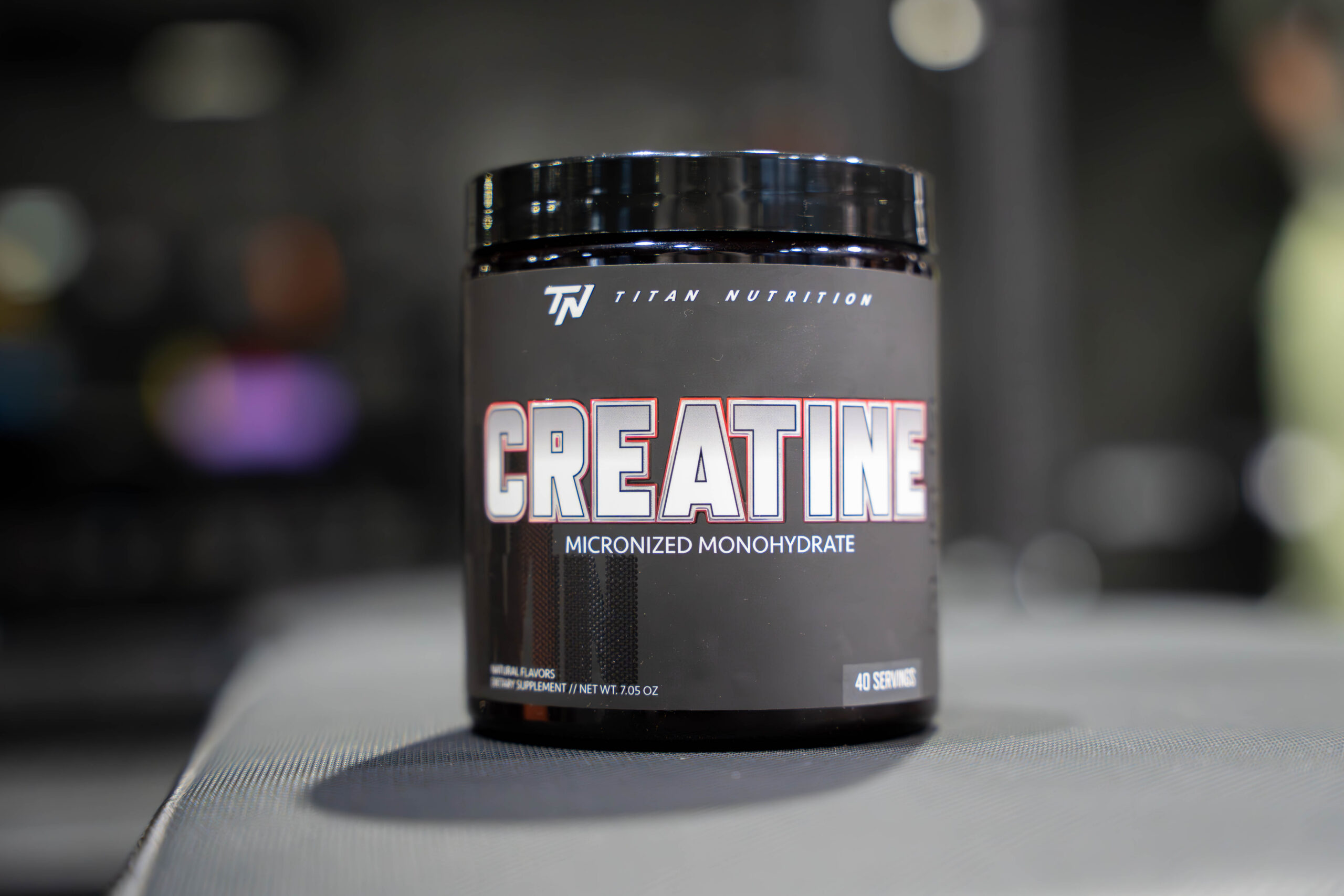
Want a high-quality, third-party-tested creatine? Check out my friends at Titan Nutrition, where they carry the Creatine that I use (and more!) at a 20% discount. —> Click HERE for CREATINE!
(Discount should automatically apply, not a sponsored post but I do receive a small affiliate commission)
Let me know—are you already taking creatine, or is this new info making you rethink it? Drop a comment, shoot me a DM on Instagram (@coachmusclenugget) if you have any questions!
Interested in a customized plan for your goals? Reach out! I’d love to see what we can do for you. 🙂
As always, thank you for spending your time with me – BE WELL!
Disclaimer: The information provided in this article is for educational purposes only and should not be considered medical advice. Consult with a qualified healthcare provider before starting any new supplement, especially if you have existing health conditions or are taking other medications. Individual needs and responses to supplements can vary.
Citations & References
Creatine and Muscle Recovery
Rawson, E. S., & Venezia, A. C. (2011). “Use of creatine in the elderly and evidence for effects on cognitive function in young and old.” Aging and Disease, 2(3), 215–226.
McMorris, T., Mielcarz, G., Harris, R. C., Swain, J. P., & Howard, A. (2007). “Creatine supplementation and cognitive performance in elderly individuals.” Neuropsychology, Development, and Cognition, 14(5), 517–528.
Gualano, B., Roschel, H., Lancha, A. H., Brightbill, C. E., & Rawson, E. S. (2012). “Creatine supplementation in aging and disease: Practical considerations and future research directions.” Journal of the International Society of Sports Nutrition, 9, 33.
Wallimann, T., Tokarska-Schlattner, M., & Schlattner, U. (2011). “Creatine in health and disease.” Biochimica et Biophysica Acta (BBA) – Molecular Cell Research, 1812(5), 635–641.
Gualano, B., de Salles Painelli, V., Roschel, H., Lugaresi, R., Dorea, E., Artioli, G. G., Otaduy, M. C. G., & Lancha, A. H. (2010). “Creatine in type 2 diabetes: A randomized, double-blind, placebo-controlled trial.” Medicine & Science in Sports & Exercise, 42(7), 1391–1400.
Kreider, R. B., Kalman, D. S., Antonio, J., Ziegenfuss, T. N., Wildman, R., Collins, R., Candow, D. G., Kleiner, S. M., Almada, A. L., & Lopez, H. L. (2017). “International Society of Sports Nutrition position stand: Safety and efficacy of creatine supplementation in exercise, sport, and medicine.” Journal of the International Society of Sports Nutrition, 14, 18.
Poortmans, J. R., & Francaux, M. (1999). “Long-term oral creatine supplementation does not impair renal function in healthy athletes.” Medicine & Science in Sports & Exercise, 31(8), 1108–1110.
By Britt Larson, IFBB Pro & Functional Health Practitioner. January 27, 2025.
Ever feel like life is running you over, and you’re barely keeping up? Maybe you’re trying to survive on coffee fumes, your to-do list is multiplying, or your energy hits rock bottom halfway through the day.
I think most of us can relate to these feelings – ENTER GINSENG.
What is it? Ginseng is the ancient herb that’s like the MVP of the plant world. Ginseng is an absolute HERO. It’s been used for centuries to help people feel sharper, stronger, and just plain better. But not all ginsengs are created equal, and if you’ve ever been lost in the supplement aisle, staring at labels like “Panax this” and “Elu.. Eleeu? Elooo? Eleuthero that,” you’re not alone.
This guide is here to break it all down – what each type of ginseng does, who it’s great for, and how to use it without overdoing it. Let’s keep it simple, helpful, and, because I’m crazy about plants AND ginseng.. dare I say, fun. 🙂
Panax Ginseng (Asian or Korean Ginseng): The Energy Booster
You’ve got a big presentation, but your brain feels like oatmeal. Taking Panax ginseng for a few weeks can help you walk into that room sharp and ready to crush it.
What It Is: Panax ginseng is the OG of ginsengs. Known as the “true ginseng,” it’s been used for thousands of years in Traditional Chinese Medicine as a go-to for energy, focus, and overall vitality.
The benefits:
Boosts energy without the caffeine crash.
Enhances mental clarity and focus.
Supports immune function and stress resilience.
May improve circulation and libido.
Who It’s For: If you’re someone who wants sharper focus, more energy for your day, or an immune system that laughs at cold season, Panax ginseng might be your new BFF.
Who It’s Not For: Those with high blood pressure, anxiety issues, or who are already overstimulated should proceed with caution.
What You’ll Feel: Expect an uplift in energy and focus within a couple of weeks. It’s not a jittery buzz – more like a steady, “I’ve got this” vibe.
how to use it:
Best taken daily for 6-8 weeks, followed by a 1-2 week break (cycle basis).
Take in the morning or early afternoon to avoid messing with your sleep.
dosage:
General use: 200-400 mg daily of a standardized extract (5-7% ginsenosides).
Energy and focus: 400 mg/day, split into two doses (morning and early afternoon).
Reputable Brands:
Nature’s Way Korean Ginseng – Standardized to 7% ginsenosides, affordable, and widely available.
NOW Foods Panax Ginseng – Consistent potency, GMP-certified, and budget-friendly.
Solgar Korean Ginseng Root Extract – High-quality extract, non-GMO, and vegan-friendly.
Why These Brands? These brands prioritize quality control, are third-party tested for purity, and provide clear standardization of ginsenosides.
American Ginseng: The Chill Pill in Herb Form
After a week of juggling work deadlines and family chaos, you’re running on fumes. American ginseng helps you feel grounded and energized enough to tackle the week ahead.
What It Is: American ginseng is the chill cousin of Panax. It’s native to North America and has a more calming, restorative energy.
the benefits:
Helps with stress and nervous system overload.
Supports immune health and recovery.
Aids in regulating blood sugar levels.
Reduces inflammation.
Who It’s For: People who want a gentle energy lift without feeling wired—perfect for stressed-out parents or professionals.
Who It’s Not For: Avoid if you’re taking blood-thinning medication or have low blood sugar concerns.
What You’ll Feel: Calm, balanced energy – like you’ve taken a deep breath and finally exhaled. It’s subtle but effective.
how to use it:
Safe to take daily over longer periods (2-3 months) without cycling.
Take in the morning or midday.
dosage:
General use: 200-600 mg daily of a standardized extract (5% ginsenosides).
Immune support: Up to 600 mg/day during stressful times.
Reputable Brands:
Herb Pharm American Ginseng – Liquid tincture form, great for quick absorption, organic, and sustainably harvested.
Nature’s Answer American Ginseng – Standardized and alcohol-free, making it gentle on the stomach.
Wisconsin Ginseng Co. – Trusted for high-quality cultivated American ginseng root.
Why These Brands? Herb Pharm and Nature’s Answer are ideal for people who prefer liquid forms, while Wisconsin Ginseng Co. specializes in top-tier American-grown ginseng.
Siberian Ginseng (Eleuthero): The Endurance Expert
You’re training for a marathon – or maybe just trying to survive your new workout routine. Siberian ginseng can help you power through those long runs or tough gym days without feeling like you’ve been hit by a truck afterward. It’s basically your bro spotter for life.
Pro Tip: Perfect for athletes or busy professionals, but if you’re someone with an autoimmune condition, check with your doc first.
What It Is: Technically not a “true” ginseng, but it’s an adaptogen that does a lot of the heavy lifting. Siberian ginseng is all about endurance and stamina.
the benefits:
Improves physical performance and recovery.
Reduces fatigue and boosts endurance.
Enhances mental clarity during stress.
Supports the immune system.
Who It’s For: Athletes, fitness enthusiasts, or anyone needing a boost to keep up with a demanding schedule.
Who It’s Not For: Avoid if you have an autoimmune condition or trouble sleeping, as it might be too stimulating.
What You’ll Feel: You’ll notice more stamina and less drag during your workouts or busy days. It’s the herb equivalent of a power nap.
hoW to use it:
Take daily for 6-8 weeks, then take a 1-2 week break (cycle basis).
Best taken in the morning or before physical activity.
dosage:
General use: 300-800 mg daily of standardized extract (0.8% eleutherosides).
Endurance and recovery: Up to 1200 mg/day, divided into two doses.
Reputable Brands:
Gaia Herbs Eleuthero Root – Organic and sustainably sourced, liquid extract for quick absorption.
Solaray Eleuthero Root – Capsules, consistent potency, and non-GMO.
Pure Encapsulations Eleuthero – High-quality, hypoallergenic, and trusted by professionals.
Why These Brands? Gaia Herbs is great for those preferring liquid tinctures, while Solaray and Pure Encapsulations cater to capsule users seeking consistent, high-quality options.
Indian Ginseng (Ashwagandha): The Impostor Adaptogen
Okay, Ashwagandha isn’t a “ginseng” at all, but it’s earned its spot on the list because of its adaptogenic superstar status. You’re lying awake at night, your brain racing with every little thing you forgot to do today. Ashwagandha steps in like that calm friend who reminds you to chill. It won’t knock you out, but it’ll help you wind down and wake up feeling refreshed.
Pro Tip: Technically not a true ginseng, but it’s a fan favorite in the adaptogen world.
the benefits:
Lowers cortisol levels to reduce stress.
Improves sleep quality and supports relaxation.
Enhances muscle recovery and strength.
Balances hormones and supports thyroid function.
Who It’s For: If you’re stressed out, struggling to sleep, or feel like your hormones are out of whack, Ashwagandha is your herb.
Who It’s Not For: Avoid if you’re pregnant, breastfeeding, or on thyroid medications without consulting a doctor.
What You’ll Feel: A noticeable reduction in stress and better sleep quality after a few weeks. It’s like a warm hug for your nervous system.
how to use it:
Safe for long-term daily use (no cycling required).
Take in the evening for sleep or morning for stress management.
dosage:
General use: 300-600 mg daily of a standardized extract (5% withanolides).
Stress reduction: 600 mg/day (split into two doses).
Sleep improvement: 300 mg before bed.
Reputable Brands:
KSM-66 by Sensoril Ashwagandha – Gold-standard extracts, clinically studied, and highly bioavailable.
Thorne Ashwagandha – Known for its purity, third-party testing, and professional-grade supplements.
Organic India Ashwagandha – USDA organic and ethically sourced.
Why These Brands? KSM-66 and Sensoril extracts are clinically studied, making them highly reliable, while Thorne and Organic India focus on sourcing purity and bioavailability.
*Special note for those with adrenal insufficiency:
Taking ashwagandha can be beneficial for individuals with adrenal insufficiency, but with caution and proper monitoring.
Why Ashwagandha Might Help
Adaptogenic Properties: Ashwagandha helps the body adapt to stress by modulating cortisol levels. For people with adrenal insufficiency, it may help balance low cortisol during stress by supporting the hypothalamic-pituitary-adrenal (HPA) axis.
Energy Support: It’s known to improve energy levels, reduce fatigue, and enhance resilience, which can be helpful in managing the fatigue that comes with adrenal insufficiency.
Stress Reduction: Ashwagandha can lower overall stress, reducing the load on the adrenal glands.
Potential Concerns
Cortisol Modulation: Since adrenal insufficiency already involves low cortisol production, ashwagandha’s ability to lower cortisol levels may not always be appropriate for everyone in this category. It depends on the individual’s baseline cortisol levels and how their body responds.
Autoimmune Conditions: If adrenal insufficiency is secondary to an autoimmune condition like Addison’s disease, there is some caution with adaptogens that modulate the immune system, as they may interact with the immune response.
Recommendations (not a doctor, not your doctor, so double check with your practitioner for your particular case)
Start Low and Go Slow: If ashwagandha is considered, begin with a lower dose (150-300 mg/day) to monitor tolerance.
Work with a Practitioner: It’s critical to have a healthcare provider involved, as adrenal insufficiency often requires precise monitoring of hormone levels and symptoms.
Timing Matters: For adrenal insufficiency, taking ashwagandha in the evening may help support relaxation and recovery without risking overstimulation.
Check Compatibility with Medications: Ashwagandha may interact with corticosteroid replacement therapies, so check with your doctor or pharmacist.
Alternatives to Consider
If ashwagandha feels risky or inappropriate, other adaptogens or nutrients may better support adrenal insufficiency, including:
Rhodiola Rosea: Gentle adaptogen for energy and stress resilience without suppressing cortisol further.
Vitamin C & B5: Both are essential for adrenal function. It’s basically gas for your adrenals.
Licorice Root: Supports cortisol levels by slowing its breakdown, but only use with guidance to avoid issues like high blood pressure.
Conclusion: Ginseng – Your Natural Ally for Energy and Balance
Whether you’re looking to boost your energy, calm your mind, or support your overall wellness, there’s a type of ginseng that can help you on your journey. From the invigorating effects of Panax ginseng to the calming properties of American ginseng, these incredible herbs have something for everyone.
Remember, quality matters when it comes to supplements. I’ve made it easy for you to find trusted, high-quality ginseng products by curating my favorites in my Fullscript dispensary—all with a 10% discount to make your wellness journey a little easier. Click here to explore the collection!
Until next time, friends. Stay happy, stay healthy, and thank you for spending time with me today! 🙂
Britt Larson
IFBB Pro, Functional Health & Competitive Coaching
This blog is for informational purposes only and is not intended to diagnose, treat, or cure any condition. Always consult with your healthcare provider before starting any new supplement, especially if you are pregnant, nursing, have a medical condition, or are taking medications.
This won’t be a popular opinion – but it’s a necessary one to shed light on.
Britt Larson, Functional Practitioner, January 20, 2025
Uncorking the Truth About Alcohol and Your Body
They say a glass of wine a day keeps the doctor away – but what if it’s bringing you closer to them instead?
For years, alcohol has been marketed as the perfect companion for relaxation, fun, and even heart health. A glass of wine to unwind? Sure! You’ve had a long day and it feels soothing in the moment, right? But here’s the kicker: that calm is short-lived, and the damage can last far longer.
From disrupting your sleep and hormones to irritating your gut lining, alcohol might be why you wake up groggy, bloated, or more anxious. Let’s break down the myths, dig into the science, share relatable moments, and explore healthier alternatives that truly support your body and mind.
Don’t care much about the details? Skip to the end for healthy habit swaps that you can apply tonight when you’re feeling like reaching for that glass.
The Science of Alcohol’s Impact on the Body
Liver Damage and Toxic Byproducts
When you consume alcohol, your liver processes it into acetaldehyde, a toxic compound. Acetaldehyde is 10-30 times more toxic than alcohol itself and can’t linger in your system for long without causing harm. Your liver uses enzymes like alcohol dehydrogenase (ADH) and aldehyde dehydrogenase (ALDH) to break it down into less harmful substances.
The problem? Your liver has a processing limit and acetaldehyde accumulates, damaging liver cells and triggering inflammation.
That flushed, overheated feeling after a couple of drinks? That’s acetaldehyde buildup! And your body struggles to clear it out.
Why It Matters:
Over time, chronic alcohol use overwhelms the liver, leading to conditions like fatty liver disease and cirrhosis. This toxic overload also promotes systemic inflammation, contributing to fatigue, brain fog, and even skin conditions like rosacea.. Not to mention spilling over into your other bodily systems!
Hormonal Disruption
Alcohol disrupts key hormones, affecting cortisol, melatonin, and reproductive hormones:
Cortisol (The Stress Hormone): Alcohol initially lowers cortisol, which feels relaxing. But this effect is short-lived, as your body compensates with a cortisol spike once alcohol is metabolized. Chronic alcohol use can lead to elevated baseline cortisol levels, leaving you in a constant state of stress.
Melatonin (The Sleep Hormone): Alcohol interferes with melatonin production by suppressing the activity of the pineal gland. This effect is significant enough to alter your circadian rhythm, leading to poor-quality sleep even if you fall asleep faster.
Reproductive Hormones: Alcohol raises estrogen and lowers testosterone. This imbalance contributes to mood swings, fatigue, muscle loss, and weight gain in both men and women.
Ever notice how your heart races in the middle of the night after a few drinks? That’s your cortisol spiking, leaving you wide awake at 3 a.m. Add suppressed melatonin, and you’re in for a restless night!
Why It Matters:
This hormonal disruption creates a ripple effect:
Mood Swings: Cortisol and hormonal imbalances leave you feeling more anxious or irritable.
Energy Crashes: Poor sleep and cortisol-driven sugar cravings drain your energy.
Weight Changes: Elevated estrogen promotes fat storage, especially in the abdomen.
Gut Lining and Inflammation
Alcohol damages the gut lining, contributing to intestinal permeability (leaky gut – yeah, despite influencers using leaky gut to shill expensive and under-dosed greens powders, it’s a real thing!). It kills off beneficial bacteria while allowing harmful bacteria to thrive, creating gut dysbiosis. Over time, this imbalance promotes systemic inflammation and even autoimmune disorders. There’s so much truth in the phrase, “It starts with your gut.”
That bloated, sluggish feeling after a night of drinking? It’s not just dehydration – it’s your gut lining responding to alcohol-induced irritation and inflammation.
Why It Matters:
A compromised gut impacts everything from digestion to mood and immunity. Symptoms of gut disruption include:
Bloating and irregular bowel movements.
Brain fog and fatigue due to increased endotoxin absorption.
Skin issues like eczema or acne, as inflammation manifests externally.
Sleep Deprivation Disguised as Drowsiness
While alcohol can make you drowsy, it inhibits deep sleep and REM cycles by suppressing GABA and melatonin. REM sleep is essential for emotional processing and memory consolidation, while deep sleep allows your body to repair and detoxify.
Ever wake up exhausted despite sleeping for 8 hours after drinking? That’s because alcohol robbed you of REM sleep, leaving you unrested.
Why It Matters:
Chronic sleep disruption impairs cognitive function, emotional resilience, and overall health. Without sufficient deep sleep, your body struggles to recover from stress, leading to mood swings, slower metabolism, and heightened inflammation.
Why Alcohol Feels Calming (But Isn’t)
Alcohol works by enhancing the activity of GABA, your brain’s primary calming neurotransmitter. GABA is great! Think of it as your brain’s natural brake system – it slows down overactive neurons, reducing feelings of stress and anxiety. Alcohol gives GABA a temporary boost, which is why the first sip can feel like a wave of relief washing over you.
But here’s the catch: your brain quickly compensates for alcohol’s effects by increasing excitatory chemicals like glutamate, which have the opposite effect. This creates a rebound effect, leading to heightened anxiety, irritability, or even insomnia a few hours later.
That “wine o’clock” feeling of calm after a long day? It’s a chemical illusion. Hours later, you might feel restless, experience racing thoughts, or have a nagging sense of unease as your brain’s chemistry readjusts.
Why It Matters:
The short-lived relaxation comes with a long-term cost:
Increased Anxiety: Alcohol lowers your natural GABA production over time, making it harder to calm down without external help.
Sleep Disruption: The rebound effect often triggers cortisol spikes and restless sleep.
Dependency Risk: The more you rely on alcohol to calm your nerves, the more your brain associates relaxation with drinking, creating a habit loop.
The Myth of Red Wine’s Health Benefits
Red wine’s reputation as a health elixir hinges on resveratrol, an antioxidant found in grape skins. While it’s true that resveratrol has potential heart-protective benefits, the dose in a single glass of wine is minuscule compared to the amount used in scientific studies.
For example, the average glass of red wine contains 1-2 mg of resveratrol, but studies demonstrating its benefits use doses of 150-500 mg. Meanwhile, the alcohol in wine contributes to inflammation, oxidative stress, and hormone disruption.
You’ve probably heard someone say, “A glass of wine is good for your heart.” In reality, the amount of wine you’d need to consume for resveratrol benefits would cause far more harm than good.
Why It Matters:
Inflammation: Alcohol increases inflammatory markers, negating any antioxidant benefits.
Misleading Health Claims: Focusing on wine for resveratrol distracts from better sources, like blueberries, dark chocolate, or supplements.
Systemic Damage: Even small amounts of alcohol can increase the risk of cardiovascular disease, liver damage, and hormonal imbalance.
Genetic Factors and Alcohol
Your genetic makeup (I’m a little obsessed with genetics, but let’s continue) plays a significant role in how your body processes alcohol. Two key genetic variants are:
ALDH2 Deficiency: Found in some East Asian populations, this variant slows the breakdown of acetaldehyde, the toxic byproduct of alcohol. People with this deficiency experience flushing, nausea, and severe hangovers even after small amounts of alcohol.
ADH1B Variant: This variant speeds up the conversion of alcohol into acetaldehyde, leading to faster intoxication and a higher toxic load on the body.
Additionally, genetic predispositions to conditions like anxiety or addiction can make alcohol more harmful for some individuals. For example, those with heightened cortisol reactivity may find alcohol exacerbates their stress over time.
If you’ve ever wondered why some people can drink more without hangovers while others feel terrible after one drink, it’s likely genetic. Those with an ALDH2 deficiency are at higher risk of long-term damage from alcohol.
Why It Matters:
Understanding your genetics can empower you to make informed decisions. For some, even moderate alcohol use can lead to:
Increased Cancer Risk: Acetaldehyde is a known carcinogen.
Heightened Hangovers: Faster alcohol metabolism creates a higher toxic load.
Greater Stress Sensitivity: For those prone to anxiety, alcohol worsens stress responses over time.
Action Steps: Rewriting Your Nightly Ritual
Alcohol might feel like a quick fix, and don’t get me wrong – I’m not here to be a fun sucker – but its long-term effects on your hormones, gut, sleep, and overall health are far from relaxing. The good news? You have the power to create rituals that truly nourish your mind and body.
When the urge to pour a drink hits, try these instead to create lasting relaxation and improve your health:
Evening Rituals for Calm
Tea Time: Brew calming herbal teas like chamomile, valerian root, or passionflower to naturally boost relaxation. One of my FAVORITES is Tulsi Rose Tea.
Breathwork: Practice the 4-7-8 technique: inhale for 4 seconds, hold for 7 seconds, exhale for 8 seconds. This activates your parasympathetic nervous system. Additionally, you can place a finger in each ear and lightly press down, the pressure helps relax the vagus nerve.
Warm Shower or Bath: Add Epsom salts for a dose of muscle-relaxing magnesium and create a spa-like experience.
Stress Relief and Emotional Support
Weighted Blanket: Simulates the calming effects of a hug, lowering cortisol and easing anxiety.
Connection Time: Call or text a loved one to share your thoughts or enjoy a lighthearted chat.
Journaling: Write down three things you’re grateful for or list any worries with actionable steps.
Healthier Alternatives for “Wine O’Clock”
Mocktails with a Twist: Opt for adaptogenic or magnesium-based drinks to wind down naturally (recipes below).
Creative Outlets: Engage in activities like painting, knitting, or gardening to shift your focus and energy.
Post-Dinner Walk: A 10-15 minute stroll aids digestion, lowers stress, and clears your mind. It doesn’t even have to be around dinnertime, just get out and walk. You feel like sipping? Get out for some stepping! 🙂
Simple Movement to Shift Your State
Gentle Stretching or Yoga: Loosen tension with calming poses like child’s pose or seated forward folds. A good resource for free Yoga is DoYogaWithMe.com – hundreds of free QUALITY videos, and a paid subscription is less than $14 a month (that’s less than a gym membership!). *Not sponsored or affiliated, I’ve just loved the website and have used it for the last 5-6 years.
Guided Meditation: Use apps like Calm or Insight Timer to guide you through relaxation techniques. Youtube has quite the offerings to find the vibe you feel good with. Marisa Peer puts out some great meditations, too!
Mocktail Recipes for Relaxation
1. Magnesium Calm Cooler
8 oz sparkling water
1-2 tsp magnesium powder (I love Natural Calm in the Raspberry Lemon flavor!)
1 tbsp fresh lime juice
Optional: 1-2 drops lavender extract
2. Adaptogen Bliss Blend
8 oz almond or oat milk (warm if preferred)
1 tsp ashwagandha powder
1/2 tsp cinnamon
1 tsp honey
3. Golden Moon Tonic
8 oz unsweetened coconut milk
1/2 tsp turmeric
1/4 tsp ginger powder
1 tsp honey
1/2 tsp reishi mushroom powder (Check the label – Fruiting Body is what you want, and NO proprietary blends! Make sure the company is transparent here.)
4. Tart Cherry Spritz
8 oz sparkling water
2 oz tart cherry juice
1 slice of fresh orange
Optional: Add a sprig of rosemary for a fragrant twist
Next time you’re tempted to pour a drink, try a magnesium mocktail, a soothing tea, or even a few minutes of breathwork instead. By swapping harmful habits for restorative ones, you’ll wake up feeling refreshed, clear-headed, and ready to take on your goals.
Your evenings deserve better than a quick fix. Choose nourishment, choose calm, and most importantly, choose you! 🙂
Your health deserves better than a quick fix. Start prioritizing true relaxation and nourishment in your evenings. Try one of the healthy habit swaps or mocktail recipes today, and experience the difference for yourself.
Need Help With A Plan of Action?
Do you need personalized guidance to create a lifestyle that supports your health and fitness goals? Let’s work together! Whether it’s managing stress, optimizing your diet, or building habits that last, I’m here to help.
The information provided in this article is for educational purposes only and is not intended as medical advice. If you have concerns about your alcohol consumption or its effects on your health, please consult with a healthcare professional. Any lifestyle or dietary changes should be discussed with your doctor, especially if you have underlying medical conditions or are taking medications.
Citations
Emanuele, M. A., & Emanuele, N. V. (2001). Alcohol’s effects on the hypothalamic-pituitary-gonadal axis. Alcohol Research & Health, 25(4), 282–287. https://pubmed.ncbi.nlm.nih.gov/11816668/
Bishehsari, F., Voigt, R. M., & Keshavarzian, A. (2017). Alcohol and gut-derived inflammation. Alcohol Research: Current Reviews, 38(2), 163–171. https://pubmed.ncbi.nlm.nih.gov/28988574/
Smoliga, J. M., Baur, J. A., & Hausenblas, H. A. (2011). Resveratrol and health – A comprehensive review of human clinical trials. Molecular Nutrition & Food Research, 55(8), 1129–1141. https://doi.org/10.1002/mnfr.201100143
Edenberg, H. J. (2007). The genetics of alcohol metabolism: Role of alcohol dehydrogenase and aldehyde dehydrogenase variants. Alcohol Research & Health, 30(1), 5–13. https://pubmed.ncbi.nlm.nih.gov/17718394/
Stephens, M. A. C., & Wand, G. (2012). Stress and the HPA axis: Role of glucocorticoids in alcohol dependence. Alcohol Research: Current Reviews, 34(4), 468–483. https://pubmed.ncbi.nlm.nih.gov/23584108/
Danel, T., & Cermakian, N. (2009). Alcohol, light exposure, and circadian rhythms: Interactions and implications for humans. Alcohol and Alcoholism, 44(5), 511–519. https://doi.org/10.1093/alcalc/agp033
By Britt Larson, Functional Practitioner, January 13, 2025
A Possible Wrench Thrown Into The Mix
Have you ever heard someone dismiss the idea of supporting your body’s detoxification by saying, “You already have a liver that detoxes for you”? While it’s true that our bodies are equipped with detoxification systems, what happens if your genetics throw a wrench in the works? Enter detoxification SNPs (single nucleotide polymorphisms) — genetic variations that can impact how effectively your body processes toxins.
Our bodies evolved in environments vastly different from the one we live in today. Modern life brings increasing pollution, pesticides in our food, endocrine disruptors in skincare products and plastic bottles, and countless other challenges. These environmental factors can overwhelm even the most efficient detoxification systems, especially if genetic SNPs already compromise them.
Let’s break down what detoxification SNPs are, the symptoms you might experience if these processes aren’t functioning optimally, and actionable solutions to support your body.
What Are Detoxification SNPs?
Detoxification SNPs are genetic variants that affect how your body metabolizes and eliminates toxins, including environmental chemicals, medications, and even byproducts of normal metabolism. These SNPs often involve key enzymes in detoxification pathways. Some of the most commonly discussed detoxification SNPs include:
GSTM1 and GSTT1: Involved in phase II detoxification (glutathione conjugation). Missing or reduced function can lead to difficulty clearing toxins and increased oxidative stress.
CYP1A1 and CYP1B1: Part of phase I detoxification (activating toxins for elimination). Variants can result in increased activation of toxins without efficient clearance.
COMT: Breaks down catecholamines (stress hormones) and certain estrogens. Variants can lead to estrogen dominance and mood instability.
SOD2: Produces superoxide dismutase, an enzyme that combats oxidative stress. SNPs may increase free radical damage.
NQO1: Important for detoxifying quinones and preventing oxidative damage. Variants can increase cancer risk.
MTHFR: While primarily known for methylation, it also plays a role in detoxification by supporting glutathione production.
Symptoms That Could Indicate Detoxification Issues
If your detoxification pathways are compromised, you might experience symptoms such as:
Without proper detoxification, your body may struggle to eliminate toxins effectively, leading to accumulation and systemic effects. Over time, this can increase the risk of chronic illnesses, including hormonal imbalances, neurological conditions, and autoimmune disorders. Optimizing your detoxification pathways is crucial for maintaining overall health and resilience.
What Can You Do?
1. Listen to Your Body
First and foremost, trust your instincts. If you feel “off,” don’t let anyone dismiss your concerns. Advocate for yourself and seek more information, whether through testing, working with a functional health practitioner, or exploring lifestyle adjustments.
2. Get Tested
Genetic testing can identify SNPs that may impact detoxification. Instead of using platforms like 23andMe or AncestryDNA, which may pose privacy concerns, consider alternatives such as:
Functional Health Labs: Seek out professional-grade testing through a functional medicine practitioner.
Specific Detoxification Testing: Includes urine organic acids, liver function tests, and markers of oxidative stress.
3. Lifestyle Modifications
Support your detoxification pathways by optimizing your environment and daily habits:
Reduce toxin exposure: Choose organic foods (check the Dirty Dozen and Clean Fifteen!), use natural cleaning products, and filter your water and air.
Sweat regularly: Exercise and sauna therapy can help eliminate toxins through your skin.
Prioritize sleep: Detoxification ramps up during sleep, especially in the liver and brain.
Stay hydrated: Proper hydration supports kidney function and toxin elimination.
4. Food Recommendations
Nutrient-dense foods can provide the building blocks for detoxification. Here are some to include and why:
Cruciferous vegetables (broccoli, Brussels sprouts, kale): Contain sulforaphane, which supports phase II detoxification.
Citrus fruits: Rich in vitamin C, an antioxidant that helps neutralize free radicals.
Beets: High in betaine, which supports methylation and liver function.
Garlic and onions: Contain sulfur compounds that aid glutathione production.
Berries: Packed with antioxidants to reduce oxidative stress.
Herbs and spices (turmeric, cilantro, parsley): Support liver health and metal detoxification.
Healthy lifestyle concept. Eat fruits and vegetables and workout
5. Supplement Recommendations
Supplements can fill gaps and support compromised detoxification pathways. Always consult a professional before starting new supplements. Here are some recommendations:
Glutathione (Setria or liposomal form): 500-1,000 mg daily.
Take an empowered approach to your health. You’re not “broken” because of your genes. Lifestyle changes and targeted support can significantly improve how your body functions, even with detoxification SNPs.
Check List
If you suspect detoxification issues, here’s a quick checklist:
Test for genetic SNPs and functional markers related to detoxification.
Clean up your environment to reduce toxin exposure.
Focus on detox-friendly foods like cruciferous vegetables, citrus, and garlic.
Incorporate supplements such as glutathione, NAC, and milk thistle as needed.
Adopt lifestyle habits like sweating, sleeping well, and staying hydrated.
Seek professional guidance to create a tailored plan.
Final Thoughts
Your body is equipped with powerful detoxification tools, but genetic SNPs can sometimes create roadblocks. By understanding your unique needs and making targeted changes, you can optimize your detox pathways and feel your best. Never let anyone gaslight you into ignoring your health concerns. You deserve to feel great, and solutions are within reach.
Your Personalized Detox Journey Starts Here
If this resonates with you and you suspect detoxification SNPs may be impacting your health, take the first step toward optimizing your well-being. Work with a functional health practitioner who understands the nuances of genetics and detoxification, and start making small, consistent changes to support your body. Share this article with someone who might benefit from it, and let’s spread the knowledge together!
This article is for informational purposes only and is not a substitute for professional medical advice, diagnosis, or treatment. Always consult a qualified healthcare provider before making changes to your health routine or starting new supplements.
Citations:
Linhart, H. G., et al. “Detoxification enzymes and oxidative stress in human health and disease.” Toxicology and Applied Pharmacology, 2014.
Pall, M. L. “Elevated, sustained peroxynitrite levels as the cause of chronic fatigue syndrome.” Medical Hypotheses, 2000.
Butterfield, D. A., et al. “Redox proteomics identification of oxidatively modified brain proteins in mild cognitive impairment.” Antioxidants & Redox Signaling, 2006.
Clinical studies on NAC and glutathione supplementation from PubMed Central.
Functional detoxification testing protocols from The Institute for Functional Medicine.
Discover how genetic testing helped me overcome health challenges, become a mom, and create a personalized nutrition plan. Learn how it can transform your health too! (Written by Britt Larson, Functional Practitioner, January 6, 2025 – Happy New Year!)
In the rapidly advancing field of health and wellness, genetic testing has emerged as a revolutionary tool to personalize nutrition plans. By understanding an individual’s genetic blueprint, practitioners can create tailored dietary recommendations that optimize health outcomes. This approach, often referred to as nutrigenomics, focuses on the interaction between genes and nutrients, offering insights into how genetic variations can influence nutrient metabolism, absorption, and utilization.
Genetic Variations and Nutrient Absorption
One of the most significant benefits of genetic testing is identifying variations, or single nucleotide polymorphisms (SNPs), that affect nutrient absorption and metabolism. For example, the MTHFR (methylenetetrahydrofolate reductase – we just call it what it is – the MTHFR!) gene is critical for converting folic acid into its active form, 5-MTHF, which is essential for methylation processes, DNA synthesis, and detoxification. Variants in the MTHFR gene, such as C677T and A1298C, can lead to reduced enzyme efficiency, potentially resulting in symptoms like chronic fatigue, headaches, anxiety, depression, and elevated homocysteine levels, which are linked to cardiovascular diseases and other health issues (for me, this looked like two strokes and a heart attack in my early thirties).
Similarly, the COMT (catechol-O-methyltransferase) gene, which regulates the breakdown of catecholamines like dopamine, epinephrine, and norepinephrine, plays a pivotal role in stress response and cognitive function. Variations in this gene can lead to symptoms such as difficulty managing stress, overthinking, mood swings, or feeling mentally overwhelmed. Nutritional support with magnesium, B vitamins, and stress-management techniques can make a significant difference for individuals with these variations.
The PEMT (stick with me for another long one – phosphatidylethanolamine N-methyltransferase) gene, another key player, is involved in the production of phosphatidylcholine, an essential component of cell membranes and brain health. SNPs in PEMT can contribute to symptoms like fatty liver, cognitive issues, or difficulty tolerating high-fat diets. Dietary adjustments like increasing choline-rich foods (e.g., organic “happy” eggs and grass-fed liver) can support this pathway.
BDNF (brain-derived neurotrophic factor) SNPs can influence brain health and resilience. Reduced BDNF activity has been associated with symptoms such as brain fog, low mood, and difficulty with focus or memory. Supporting BDNF through exercise, omega-3 fatty acids, and a nutrient-rich diet can promote cognitive and emotional well-being.
Scientific Evidence Supporting Nutrigenomics
Numerous studies underscore the significance of genetic testing in personalized nutrition. A 2019 study published in Nutrients highlighted how genetic variations in the FTO gene, often referred to as the “obesity gene,” can affect weight management strategies. Participants with specific FTO variants responded differently to high-protein diets compared to those without these variants, emphasizing the need for individualized dietary interventions.
Another study in the Journal of Nutritional Biochemistry explored how APOE gene variations impact lipid metabolism and cardiovascular risk. Individuals with the APOE4 variant, for instance, may benefit from a diet lower in saturated fats to mitigate their increased risk of developing heart disease. Such findings illustrate how genetic insights can refine dietary recommendations and improve health outcomes.
Practical Applications of Genetic Testing
Genetic testing enables practitioners to design personalized nutrition plans by addressing specific gene-related vulnerabilities. For example:
Targeted Supplementation: Individuals with MTHFR mutations may require methylated forms of folate and B12 to support methylation and reduce homocysteine levels.
Dietary Adjustments: Those with lactose intolerance-related gene variations can benefit from dairy-free diets and calcium-rich alternatives like fortified plant-based milks.
Stress Management: COMT variants can guide the inclusion of stress-supportive nutrients such as adaptogens, magnesium, and omega-3 fatty acids.
Metabolic Support: Genetic insights into insulin sensitivity, lipid metabolism, and appetite regulation can inform macronutrient distribution and caloric intake.
Brain Health: Addressing BDNF and PEMT variations can support cognitive function and emotional resilience through targeted lifestyle and dietary strategies.
How Nutrigenomics Saved My Life
Nutrigenomics didn’t just change my life – it gave me a life I once believed was out of reach. For years, I felt trapped in a cycle of confusion, heartbreak, and exhaustion, repeatedly dismissed by conventional providers who refused to pursue the deeper testing I desperately needed. I endured countless hospitalizations, a growing list of prescription drugs that only made me sicker, and the overwhelming financial and emotional burden of navigating copays, endless clinic waits and visits, and gnarly battles with insurance companies. All this while my anxiety and depression grew into a giant monster that I could barely control – impacting my entire life for years.
When I discovered genetic testing, everything changed. I uncovered SNPs – like variations in the MTHFR, PEMT, BDNF, DRD2 and COMT genes to name a few – that were directly affecting my health in every way. It was as though I had finally found the missing pieces of a puzzle I’d been trying to solve for years. WOW! I knew there was more under the surface! Before this, I was drowning in unexplained symptoms, trying every diet, supplement, and treatment I could find, only to feel stuck in an endless loop of trial and error.
With my genetic blueprint in hand, I gained clarity. I began to tailor my lifestyle and nutritional choices to meet my body’s specific needs. I incorporated supplements my body could actually utilize and focused on supporting the biochemical pathways that were unique to me. These adjustments didn’t just improve my quality of life – they changed my destiny.
After years of being told I would never have a baby and enduring the heartbreak of losing eight pregnancies, I finally experienced the miracle of motherhood. Understanding and supporting my genetics was the key to unlocking the health and resilience I needed. Now, I look at my child and see living proof of the transformative power of personalized nutrition and the life-changing insights of nutrigenomics. This journey has fueled my passion for helping others uncover their unique genetic blueprints, empowering them to overcome health challenges and create the lives they deserve – just as I have.
Why Testing for MTHFR, COMT, PEMT, and BDNF Matters
Testing for MTHFR and COMT gene mutations is particularly important due to their widespread influence on health. MTHFR mutations affect approximately 30-50% of the population, making it one of the most commonly tested genes in functional health settings. Addressing these mutations can improve energy levels, mental health, and cardiovascular function.
COMT, on the other hand, is a key player in stress resilience and cognitive health. Identifying variations in this gene can help practitioners recommend lifestyle and dietary changes that enhance mental clarity and emotional balance, such as mindfulness practices and nutrient-dense diets rich in antioxidants.
PEMT gene variations can highlight the need for specific dietary fats and choline-rich foods to support liver and brain health. Meanwhile, testing for BDNF can provide actionable insights into supporting brain function and preventing neurodegenerative concerns through exercise, diet, and targeted supplementation.
A Holistic Approach to Personalized Nutrition
While genetic testing offers valuable insights, it is important to adopt a holistic approach when designing nutrition plans. It’s not a “one-size-fits-all” where you take a quick pill and feel better. Environmental factors, lifestyle choices, and gut health also play crucial roles in nutrient utilization and overall well-being. Combining genetic data with these elements ensures a comprehensive and effective strategy for achieving optimal health. It’s worth it.
Conclusion
The integration of genetic testing into personalized nutrition is transforming the way we approach health and wellness. By identifying genetic variations that influence nutrient metabolism and absorption, practitioners can craft targeted dietary and supplement plans that address individual needs. Testing for key genes like MTHFR, COMT, PEMT, and BDNF provides actionable insights, empowering individuals to make informed decisions about their health. As the science of nutrigenomics continues to evolve, the potential for genetic testing to enhance personalized nutrition will only grow, paving the way for more precise and effective interventions. I am HERE for it.
If you’re ready to take the next step toward understanding your genetic blueprint and transforming your health, I invite you to explore the possibilities with me and 3×4 Genetics. Through our testing and personalized guidance, we can create a plan that aligns with your unique needs and goals. Reach out today to learn more about how our genetic programming can support your journey to optimal wellness.
In Good Health,
Britt Larson – Functional Medicinal & Nutritional Medicine, IFBB PRO
Disclaimer: I am not a medical doctor (MD) or a registered dietitian (RD). The information provided in this article is for educational purposes only and should not be construed as medical advice. Always consult with a qualified healthcare provider before making any changes to your diet, supplement routine, or health regimen.
References:
Phillips, C. M. (2019). Nutrigenetics and metabolic disease: Current status and implications for personalised nutrition. Nutrients, 11(1), 676.
Corella, D., & Ordovás, J. M. (2019). Interactions between dietary polyunsaturated fatty acids and genetic variants in lipid metabolism: A review. Journal of Nutritional Biochemistry, 26(2), 429-439.
By Britt Larson, Functional Health & Competitive Coaching
Who is Akkermansia? Your gut’s new bestie, of course! Well, not “new”. Akk has been around, but studies are now showing the highlights of this rad baddie in the microbiome world. From skin conditions, to autoimmune and obesity – Buckle In – Akkermansia has you covered.
Akkermansia muciniphila is a beneficial gut bacterium that has gained attention for its numerous health benefits. In this blog article, we will go into the scientific studies supporting its advantages, its role in gut health, and its potential benefits for various health conditions, including atopic skin issues, autoimmune diseases, diabetes, and obesity. Additionally, we will discuss how Akkermansia can improve baby health and provide guidelines on how to effectively incorporate it into your routine. We will also explore the connections between Akkermansia and the increasingly popular GLP weight loss injections, examining the long-term health impacts of these injections and how Akkermansia may just serve as a natural alternative.
Enhancing Gut Health with Akkermansia muciniphila
The Role of Akkermansia in Gut Health
This Gut Good Guy is abundant in the mucous layer of the gut lining. It contributes significantly to gut health by promoting the production and maintenance of the mucus layer, which acts as a protective barrier and is often broken down in the gut due to inflammation. This mucus layer is important because it prevents harmful bacteria and toxins from penetrating the gut wall and entering the bloodstream, thus maintaining gut integrity and overall health.
Mechanisms of Action
Mucus Production and Maintenance
Akkermansia stimulates the production of mucus by goblet cells in the intestinal lining, benefiting you by creating a thick mucus layer that protects the gut epithelium, preventing pathogens from adhering to and penetrating the gut
Strengthening the Gut Barrier
Akkermansia enhances the expression of tight junction proteins, which are critical for maintaining the integrity of the gut barrier. These strengthened tight junctions prevent the leakage of harmful substances from the gut into the bloodstream, reducing systemic inflammation.
Anti-inflammatory Effects
Akkermansia modulates the immune response and reduces the production of pro-inflammatory cytokines. Lower levels of inflammation in the gut contribute to overall metabolic health and can prevent chronic diseases related to inflammation – think autoimmune, mental health, insulin resistance.
Real-Life Examples of Enhanced Gut Health
Case Study: Improved Metabolic Health in Obese Individuals Consider an obese individual suffering from metabolic syndrome, characterized by insulin resistance, high blood pressure, and high cholesterol levels. With the introduction of Akkermansia muciniphila through diet or supplementation, the individual experiences improved insulin sensitivity, reduced inflammation, and a healthier lipid profile. This improvement is linked to the increased production of mucus and a strengthened gut barrier, preventing endotoxemia (the presence of endotoxins in the blood), which can drive metabolic dysfunction and inflammation.
Case Study: Reduction of Gut Inflammation in IBS Patients Another example involves a patient with Irritable Bowel Syndrome (IBS) experiencing chronic gut inflammation, bloating, and discomfort. Supplementation with Akkermansia muciniphila leads to reduced bloating and discomfort and a significant decrease in gut inflammation markers. The anti-inflammatory effects of Akkermansia play a crucial role in modulating the immune response and restoring gut health.
Case Study: Enhanced Recovery from Antibiotic-Induced Dysbiosis Lastly, consider an individual who has undergone a course of antibiotics resulting in dysbiosis (imbalance in gut microbiota) and weakened gut barrier function. Post-antibiotic supplementation with Akkermansia muciniphila shows rapid improvement in gut health, with a restored balance of gut microbiota and a reinforced mucus layer. This recovery is crucial for preventing the recurrence of infections and maintaining long-term gut health.
Impact on GLPs (Glucagon-Like Peptides)
Akkermansia has a significant influence on the production of glucagon-like peptides (GLPs), particularly GLP-1. GLP-1 is a crucial hormone involved in regulating blood sugar levels and appetite. By enhancing the secretion of GLP-1, Akkermansia contributes to improved glucose metabolism and a reduced risk of type 2 diabetes. Those fancy weight loss injections that come with loads of gross side effects? Yeah, this is the natural approach, only without the potential long-term health risks associated with synthetic injections.
Akkermansia increases the secretion of GLP-1 from the L-cells in the gut. This hormone plays a vital role in stimulating insulin secretion in response to meals, thereby helping regulate blood sugar levels.
Regulation of Appetite
GLP-1 is also known for its appetite-regulating properties. By enhancing GLP-1 levels, Akkermansia can help reduce food intake and promote satiety, contributing to weight management.
Improvement in Insulin Sensitivity
Enhanced GLP-1 secretion improves insulin sensitivity, which is crucial for individuals with insulin resistance or type 2 diabetes. This improvement helps the body use insulin more effectively, reducing blood sugar levels.
Real-Life Examples of GLP-1 Enhancement
Case Study: Improved Glucose Control in Type 2 Diabetes Consider an individual diagnosed with type 2 diabetes, struggling with high blood sugar levels despite medication. After incorporating Akkermansia muciniphila supplements into their routine, the individual experiences improved glucose control. Enhanced GLP-1 secretion leads to better insulin response post-meals, resulting in more stable blood sugar levels throughout the day.
Case Study: Weight Management in Overweight Individuals A person struggling with obesity and overeating starts taking Akkermansia muciniphila supplements. Over time, the individual notices a decrease in appetite and food intake, attributed to the increased GLP-1 levels. This reduction in appetite helps the person manage their weight more effectively, contributing to overall metabolic health.
Supporting Studies
Research underscores the beneficial impact of Akkermansia on GLP-1 levels. A study by Everard et al. (2013) demonstrated that Akkermansia can enhance GLP-1 secretion, leading to improved glucose metabolism in obese mice. Another study by Cani et al. (2009) highlighted that metabolic endotoxemia and insulin resistance can be mitigated by Akkermansia, partly through its effect on GLP-1.
In a Nutshell
Akkermansia is your homie that plays a critical role in enhancing GLP-1 secretion, thereby improving glucose metabolism and aiding in appetite regulation. By incorporating Akkermansia-supporting foods and supplements into their routines, individuals can achieve better blood sugar control, manage their weight more effectively, and reduce their risk of type 2 diabetes. Understanding and leveraging the benefits of Akkermansia on GLP-1 can lead to significant improvements in metabolic health and overall well-being.
Benefits for Atopic Skin Issues: Eczema & Psoriasis
Emerging research highlights a compelling link between gut health and skin conditions like eczema and psoriasis. Akkermansia, known for its role in reducing gut inflammation, may offer therapeutic benefits for atopic skin issues by addressing underlying systemic inflammation.
Akkermansia muciniphila helps reduce gut inflammation by enhancing gut barrier function and modulating the immune response. This reduction in gut inflammation can lead to lower systemic inflammation levels throughout the body.
Impact on Systemic Inflammation
Lower systemic inflammation levels have been associated with improvements in atopic skin conditions. By addressing gut inflammation, Akkermansia may indirectly alleviate symptoms such as itching, redness, and flares characteristic of eczema and psoriasis.
Real-Life Examples and Case Studies
Case Study: Eczema Management Consider a patient suffering from chronic eczema, experiencing frequent flare-ups despite topical treatments. After incorporating Akkermansia muciniphila supplements to support gut health, the patient notices a reduction in the severity and frequency of eczema flares. This improvement is attributed to Akkermansia’s ability to lower systemic inflammation, addressing one of the root causes of the skin condition.
Case Study: Psoriasis Relief Another example involves a patient with psoriasis, characterized by inflamed, scaly patches on the skin. Through dietary adjustments to promote Akkermansia growth and supplementation, the patient experiences decreased inflammation and improved skin appearance. Akkermansia’s impact on gut health contributes to overall systemic balance, positively influencing skin health.
Supporting Studies
Research supports the connection between gut health and atopic skin issues. Studies have shown that gut dysbiosis and inflammation can exacerbate conditions like eczema and psoriasis. In addition to improving gut health and reducing inflammation through proper diet, Akkermansia muciniphila may provide additional therapeutic benefits for these skin conditions.
Skin in the Game
Akkermansia shows promise in alleviating symptoms of atopic skin issues by reducing gut inflammation and systemic inflammation levels. By improving overall gut health, Akkermansia may offer a natural and effective approach to managing eczema, psoriasis, and other inflammatory skin conditions. As usual, further research is needed to fully understand its therapeutic potential and optimize treatment strategies for skin health.
Positive Impact on Autoimmune Conditions
Autoimmune diseases, such as rheumatoid arthritis, multiple sclerosis, diabetes, and even Crohns are increasingly linked to some form of dysbiosis, an imbalance in the gut microbiome. Akkermansia, known for its ability to strengthen the gut barrier and modulate immune responses, shows promising potential in helping manage autoimmune conditions by addressing underlying inflammation and immune dysregulation (along with various lifestyle adjustments).
Akkermansia enhances the production of mucin and promotes the integrity of the gut epithelium. This strengthens the gut barrier, reducing the leakage of harmful substances into the bloodstream that can trigger autoimmune responses. Seal it, baby!
Modulation of the Immune System
Akkermansia interacts with the immune system, promoting a balanced immune response and reducing inflammation. This modulation may help mitigate the auto response seen in immune conditions.
Real-Life Examples and Case Studies
Case Study: Rheumatoid Arthritis Management Imagine a patient diagnosed with rheumatoid arthritis, experiencing joint pain, stiffness, and inflammation despite conventional treatments. Introducing Akkermansia muciniphila through dietary adjustments and supplementation leads to a noticeable reduction in inflammation markers and improvement in joint symptoms. Akkermansia’s ability to strengthen the gut barrier and modulate immune responses contributes to managing autoimmune flare-ups.
Case Study: Multiple Sclerosis Support Another example involves a patient with multiple sclerosis, facing challenges with immune dysregulation and neuroinflammation. Incorporating Akkermansia-supporting strategies into their lifestyle helps stabilize immune responses and potentially slows disease progression. The gut-brain axis benefits from Akkermansia’s influence on gut health, showing promise in managing autoimmune aspects of multiple sclerosis.
Supporting Studies
Research underscores the relationship between gut health and autoimmune diseases. Studies have demonstrated that dysbiosis can exacerbate autoimmune conditions, while interventions that restore gut microbiome balance, such as Akkermansia muciniphila supplementation, may alleviate symptoms and improve disease outcomes.
AK and Immune
Akkermansia muciniphila shows promise in managing autoimmune conditions by strengthening the gut barrier, modulating immune responses, and reducing inflammation. By addressing underlying gut dysbiosis and including Akkermansia, it offers a potential natural approach to complement conventional therapies for autoimmune diseases. Further research is on the horizon to fully elucidate its therapeutic potential and optimize treatment strategies for autoimmune conditions.
Effects on Diabetes and Obesity
Akkermansia’s impact on diabetes and obesity stems from its ability to modulate gut health and metabolic processes. REsearch shows that individuals with diabetes and obesity often exhibit lower levels of Akkermansia in their gut microbiota, making supplementation with Akkermansia a potential avenue to improve insulin sensitivity, reduce fat mass, and enhance overall metabolic health and longevity.
Akkermansia muciniphila supplementation has been shown to improve insulin sensitivity, which is beneficial for individuals with insulin resistance or type 2 diabetes. Enhanced insulin sensitivity allows cells to respond more effectively to insulin, leading to better blood sugar control.
Reduction in Fat Mass
Studies indicate that Akkermansia can help reduce fat mass in overweight individuals. By influencing energy metabolism and fat storage, Akkermansia may contribute to weight management efforts.
Enhancement of Metabolic Health
Akkermansia’s role in promoting a healthy gut microbiome and reducing systemic inflammation contributes to enhanced metabolic health. This includes improvements in lipid profiles, glucose metabolism, and overall metabolic function.
Real-Life Examples and Case Studies
Case Study: Improved Glucose Control in Type 2 Diabetes Consider a patient diagnosed with type 2 diabetes, struggling with high blood sugar levels despite medication and dietary adjustments. Introducing Akkermansia muciniphila supplements as part of their treatment plan leads to noticeable improvements in insulin sensitivity and glucose control. This improvement reduces reliance on insulin therapy and supports long-term management of diabetes.
Case Study: Weight Management in Obesity Another example involves an overweight individual seeking to manage their weight and improve metabolic health. Incorporating Akkermansia-supporting strategies, such as dietary modifications and supplementation, results in a gradual reduction in fat mass and improvements in metabolic markers. Akkermansia’s influence on gut microbiota balance supports sustainable weight loss efforts.
Research supports the beneficial effects of Akkermansia muciniphila on diabetes and obesity:
Studies have demonstrated that Akkermansia supplementation can improve glucose tolerance and insulin sensitivity in animal models and human trials.
Akkermansia’s ability to reduce fat mass and enhance metabolic health has been linked to its impact on gut barrier function and inflammation regulation.
The Skinny on Akkermansia and Obesity
Akkermansia shows promise as a therapeutic target for diabetes and obesity by improving insulin sensitivity, reducing fat mass, and enhancing metabolic health. By addressing gut dysbiosis and promoting a healthy gut microbiome, Akkermansia offers a natural approach to complement conventional treatments and support long-term management of metabolic conditions.
Improving Infant Health with Akkermansia
The role of Akkermansia muciniphila in improving your baby’s health centers around its impact on the early development of the gut microbiome and immune system. The gut microbiome plays a crucial role in shaping immune responses and overall health outcomes in infants. Akkermansia may support healthy gut development, potentially reducing the risk of allergies and autoimmune diseases later in life!
Early exposure to Akkermansia through seeding via the mother’s milk or supplementation can influence the composition of the infant’s gut microbiome. This early colonization is critical for establishing a diverse and balanced microbiota, which supports immune system maturation.
Support for Immune System Development
Akkermansia’s presence in the gut microbiome contributes to immune system education and regulation in infants. This early interaction helps train the immune system to distinguish between harmless and harmful substances, reducing the risk of allergies and autoimmune reactions later in life.
Real-Life Examples and Case Studies
Seeding the Baby’s Gut through Mother’s Milk Imagine a scenario where a breastfeeding mother includes Akkermansia and supporting foods in her diet. This dietary intake promotes Akkermansia colonization in her gut, which is then transferred to her baby through breastfeeding. Research suggests that breast milk contains beneficial microbes that contribute to the development of the infant’s gut microbiome and immune system, potentially lowering the risk of allergies and autoimmune diseases in the child’s later life.
Supplementation during Infant Feeding In cases where breastfeeding is not possible, or as a complement to breastfeeding, Akkermansia supplementation for infants may be considered under medical guidance. This supplementation aims to support healthy gut microbiome development and immune system maturation, mimicking the benefits observed with natural seeding through breast milk.
Supporting Studies
Research supports the role of early gut microbiome development in infant health outcomes:
Studies have shown that early exposure to beneficial microbes, including Akkermansia muciniphila, can shape immune responses and reduce the incidence of allergic conditions.
The presence of Akkermansia in the infant gut has been associated with a lower risk of developing allergies and autoimmune diseases later in life, highlighting its potential long-term benefits.
Starting Your Little with a Healthy Gut
Akkermansia holds promise in improving baby health by supporting healthy gut microbiome development and immune system maturation. Whether through natural seeding via breast milk or supplementation, early exposure to Akkermansia may reduce the risk of allergies and autoimmune diseases later in life. Further research will provide more exploration on optimal strategies for incorporating Akkermansia into infant care practices and maximizing its potential health benefits.
GLP Weight Loss Injections vs. Akkermansia: A Comparative Analysis
GLP Weight Loss Injections
GLP-1 receptor agonists, such as liraglutide (Victoza, Saxenda) and semaglutide (Ozempic), are pharmaceutical medications used to promote weight loss and manage type 2 diabetes. These injections work by enhancing insulin secretion, slowing gastric emptying, and reducing appetite, which collectively contribute to weight reduction and improved glucose control. They are often associated with serious side effects that impact metabolism, gut health, muscle loss, long-term health and longevity.
Prolonged use of GLP-1 agonists can disrupt the gut microbiota, potentially leading to dysbiosis. This imbalance in gut bacteria can affect overall gut health and may have long-term consequences on digestion, systemic inflammation, and nutrient absorption.
Metabolic Rate:
While effective for weight loss, studies suggest that GLP-1 agonists may lower the basal metabolic rate over time due to loss of muscle. This reduction in metabolic rate can make it challenging to maintain weight loss and may impact overall energy levels.
Muscle Density:
There is concern that weight loss achieved through GLP-1 agonists is not selective, meaning they may not just target fat mass but could also lead to a reduction in muscle mass. Preserving muscle density is crucial for metabolic health and physical function.
Akkermansia as a Natural and Long Term Alternative
Akkermansia offers a natural alternative to GLP-1 agonists for weight management and metabolic health. Rather than relying on synthetic medications with intense side effects, Akkermansia leverages its beneficial effects on the gut microbiome and metabolism without the potential adverse effects associated with pharmaceutical interventions.
Real-Life Examples and Case Studies
Case Study: Long-Term Gut Health Consider a patient using GLP-1 agonists for weight loss and diabetes management over several years. Despite initial success in weight reduction, the patient experiences gastrointestinal discomfort and irregular bowel habits, indicating potential gut microbiota disruption. Transitioning to Akkermansia muciniphila supplementation supports gut health restoration, leading to improved digestive function and overall well-being.
Case Study: Metabolic Resilience Another example involves an individual experiencing a decline in metabolic rate after prolonged use of GLP-1 agonists. Introducing Akkermansia muciniphila as part of a comprehensive lifestyle approach helps stabilize metabolic function and supports sustainable weight management. This natural approach focuses on enhancing gut microbiome diversity and metabolic health without compromising muscle density.
Supporting Studies and Evidence
Research underscores the benefits of Akkermansia muciniphila in contrast to GLP-1 agonists:
Studies highlight Akkermansia’s role in improving gut barrier function, reducing inflammation, and enhancing metabolic parameters.
Unlike synthetic medications, Akkermansia supports a balanced gut microbiome and metabolic resilience, promoting long-term health benefits without compromising muscle density or metabolic rate.
Akkermansia poses less risk on health and finances than GLP-1 agonist weight loss injections
Akkermansia for the Win
Akkermansia muciniphila emerges as a promising natural alternative to GLP-1 agonists for weight management and metabolic health. By focusing on enhancing gut microbiome diversity and supporting metabolic resilience, Akkermansia offers a sustainable approach to achieving and maintaining weight loss without the potential adverse effects associated with pharmaceutical interventions. Understanding the differences between GLP-1 agonists and Akkermansia can empower individuals to make informed choices regarding their health and well-being, promoting long-term metabolic health and vitality.
Supplementing with Akkermansia muciniphila
Sources
Akkermansia supplements are available through various dispensaries, including those associated with functional health. You can obtain high-quality Akkermansia supplements from my Fullscript dispensary at a savings plus free shipping over $50, where you will find multiple options to suit your needs. Create your own account at the link below: [Fullscript Limitless Health & Performance].
Dosage and Administration
It is recommended to take Akkermansia supplements on an empty stomach when stomach acids are lower. This ensures optimal absorption into the gut and higher effectiveness.
A common dosage guideline is 1 billion to 10 billion CFUs (colony forming units), but it is advisable to consult with a healthcare professional for personalized recommendations.
Why an Empty Stomach?
Taking Akkermansia on an empty stomach helps maximize its survival through the acidic environment of the stomach, ensuring it reaches the gut where it can exert its beneficial effects.
Final Conclusion
Akkermansia muciniphila is a powerful player in promoting gut health and overall well-being. Its benefits extend beyond the gut, positively impacting various health conditions, from atopic skin issues to metabolic disorders. By understanding its role and incorporating it properly into your routine, you can harness its full potential to support your health. Additionally, Akkermansia offers a natural alternative to GLP-1 weight loss injections, providing metabolic benefits without the associated long-term health risks.
Note: This is for educational and entertainment purposes only. Britt Larson/Limitless Health & Performance, are not medical doctors. This blog is not meant to diagnose, treat, or cure any ailment. Consult the appropriate health channels when it comes to making decisions for you and your health.
References
Everard, A., et al. (2013). Cross-talk between Akkermansia muciniphila and intestinal epithelium controls diet-induced obesity. Proceedings of the National Academy of Sciences, 110(22), 9066-9071. Link
Derrien, M., et al. (2011). Mucin-bacterial interactions in the human oral cavity and digestive tract. Gut Microbes, 1(4), 254-268. Link
Cani, P. D., et al. (2009). Metabolic endotoxemia initiates obesity and insulin resistance. Diabetes, 56(7), 1761-1772. Link
Plovier, H., et al. (2017). A purified membrane protein from Akkermansia muciniphila or the pasteurized bacterium improves metabolism in obese and diabetic mice. Nature Medicine, 23(1), 107-113. Link
Belkaid, Y., & Hand, T. W. (2014). Role of the microbiota in immunity and inflammation. Cell, 157(1), 121-141. Link
Salem, I., et al. (2018). The gut microbiome as a major regulator of the gut-skin axis. Frontiers in Microbiology, 9, 1459. Link
Mielcarska, M. B., et al. (2018). Gut microbiota: the role of A. muciniphila in host immunity. Mediators of Inflammation, 2018, 1-8. Link
Zhang, X., et al. (2020). Akkermansia muciniphila has a protective effect on arthritis by regulating the gut microbiota. Biomedicine & Pharmacotherapy, 127, 110147. Link
Dao, M. C., et al. (2016). Akkermansia muciniphila and improved metabolic health during a dietary intervention in obesity: Relationship with gut microbiome richness and ecology. Gut, 65(3), 426-436. Link
Depommier, C., et al. (2019). Supplementation with Akkermansia muciniphila in overweight and obese human volunteers: a proof-of-concept exploratory study. Nature Medicine, 25(7), 1096-1103. Link
Arrieta, M. C., et al. (2015). Early infancy microbial and metabolic alterations affect risk of childhood asthma. Science Translational Medicine, 7(307), 307ra152. Link
Milani, C., et al. (2017). The first microbial colonizers of the human gut: composition, activities, and health implications of the infant gut microbiota. Microbiology and Molecular Biology Reviews, 81(4), e00036-17. Link
Salles, J., et al. (2019). Effect of GLP-1 receptor agonists on muscle mass and function: current evidence and future perspectives. Diabetes, Obesity and Metabolism, 21(1), 33-40. Link
Drucker, D. J. (2018). Mechanisms of action and therapeutic application of glucagon-like peptide-1. Cell Metabolism, 27(4), 740-756. Link
Cani, P. D., et al. (2012). Akkermansia muciniphila promotes metabolic improvements through modulation of the gut microbiota and gut barrier function. Gut, 61(8), 1111-1121. Link
Everard, A., et al. (2013). Cross-talk between Akkermansia muciniphila and intestinal epithelium controls diet-induced obesity. Proceedings of the National Academy of Sciences, 110(22), 9066-9071. Link
By Britt Larson, IFBB Pro & Functional Health Practitioner
When it comes to achieving our health goals, or, ANY goal, really – productive action is key.
Whether it’s losing weight, building muscle, maintaining a healthy lifestyle, or going for that job promotion, doing the right thing is a critical component in achieving anything truly worth having in life as well as optimal health and wellness.
But how do we make sure we’re doing the right thing? And how do we make sure we’re consistent with our efforts?
Well, to your credit – you DO “know better,” I mean, TRULY, you do! You know that you should probably order the grilled meat over having a giant platter of cheesy nacho fries.. And you know you SHOULD be active, instead of being married to Netflix & the couch.
In this blog post, I’ll be sharing some tips and actionable steps you can take (((RIGHT NOW))) to help you start doing the right thing and achieve your health goals.
Start Small
One of the biggest mistakes people make when trying to achieve their health goals is trying to do too much too soon.
Good intentions are everywhere – it’s the FOLLOW THROUGH and action that count. We know this, maaan!
If you are someone who can do giant lifestyle hauls, then go for it. But, if you’re like most of us, it takes some time to get acclimated.
This is where we decide that starting somewhere and putting 100% effort into that, is more important than having this perfect plan that you follow 0% of. So! Instead of making big huge, SKEERY, drastic changes? Start with small, manageable steps that you can consistently follow through on.
For example, instead of committing to an intense ass-kicking workout plan five days a week, start with a 15-minute daily walk or jog around your neighborhood. The idea is to create a habit of doing something, rather than focusing solely on the result.
If you feel that this is silly? Just know that you aren’t alone.
We’ve all seen the popular images of theguy running with the caption of “no matter how slow you go, you’re still lapping everyone on the couch.” I agree! that image motivates the hell out of me because I know how much effort he’s putting into it. He’s choosing healthy habits, and we all start somewhere.
So if you feel a certain way about starting, just know that most of us have felt that way and by choosing to commit to doing right by yourself, the things that were once hard become easier because you get stronger AND you should be damn proud of you. Heck, I know I’m proud of you and I probably don’t even know you (yet!).
2. Create a Plan
Setting achievable goals and creating a concrete plan is essential to make sure you’re doing the right thing. Be aware of NOT focusing solely on the OUTCOME (for instance, if you’re trying to lose weight, don’t just set a goal of losing 1-2 pounds per week). Focus on the lifestyle habits that will get you there, like “I will go outside and be active for 20 minutes per day Tuesday through Sunday.” And “At Breakfast and Lunch I will trade half of my big portion of rice for my favorite steamed veggies.”
The reason is, it’s in our daily habits, our actual lifestyle that the outcome lies. If you want to be a “fit endurance runner,” then you do what those individuals do – but even more, you don’t just become one overnight.
It is with daily effort and building onto those habits each day. Going from running 0 miles per week to 50 can wreak more havoc on you than you might expect! If you burn yourself out in the beginning, you likely won’t be around for the long game.
Next, create a meal plan that’s nutritious and sustainable and commit to sticking to it. If you have a gym membership, consider scheduling your workouts in advance, so you have a set schedule that you can adhere to.
3. Find an Accountability Partner
One excellent way to stay committed and motivated is to find a friend, family member, or a coach to hold you accountable for your actions. Having someone who shares your goals and who can provide support and encouragement when you’re feeling stuck or down is incredibly helpful. They can also help you stay on track and remain consistent with your efforts. A lot of us know more than we think when it comes to “doing the right thing” as far as eating protein, getting active, etc – but one thing I get quite often in my practice is that people really enjoy the accountability and having someone who believes in them.
As their coach, in addition to listening and providing feedback, I help remind them of their why and I share with them exactly what I see from an outside perspective.
By having someone with you on this journey, it holds you to another standard. For some reason it’s easier for us to break the promises to ourselves, but we don’t want to let others down. Since we know this, we can use this knowledge to our advantage and set ourselves up for success with a buddy!
4. Celebrate Your Wins!
Celebrating your wins, no matter how “small” you might think they are, is a crucial part of staying motivated. I honestly wish I would have done this more during my professional bodybuilding career, so I always make sure to remind others to CELEBRATE all of the efforts – along with celebrating the ones around you who have supported you along the way.
A lifestyle change is not ever really just about you, it inevitably changes the things you do day to day which impact your circle. Show yourself love and show your peeps love by celebrating it all.
Recognize and appreciate your efforts, and take time to reflect on the milestones you’ve achieved so far. For example, if you’ve been consistently eating healthy and working out for a few weeks now, treat yourself to a massage, a new workout outfit, or a spa treatment.
I’d encourage the “treat” to not be so food focused, because if you aren’t careful, it could lead down a dangerous road (maybe cravings, food obsessions, binging, etc) of self- sabotage.
5. Don’t Give Up
Finally, one of the critical things you must remember when it comes to doing the right thing is to never give up. Let’s be honest – there will be days that are going to absolutely suck. There will also be days where you feel on top of the world.
It’s all normal.
Go into this knowing that there will be setbacks, obstacles, and moments where you might feel like quitting. But remember, these are all part of the journey.
Motivation is fleeting, which is why we need to become clear about the underlying reasons of WHY we started to begin with. When someone simply tells me, “I just want abs.” I immediately refer back to the question, “WHY do you want this?” because the whole “abs” thing is fleeting, we never really only want “abs,” we want the FEELING that we think those abs are going to give us. Does achieving abs, to you, signal success? Health? What is it that you want from the thing you are trying to achieve? As someone who has had those glorious shreds for a good period of time – abs alone didn’t make me happy. I looked cool as heck, yeah! But if I’m being transparent here, it felt empty, and surface level to me. They were extremely hard to attain, let alone keep. I also felt pretty bad, health-wise.HOWEVER, the person I became through the triumphs of a difficult challenge? I AM proud of that.
So again, think about the FEELING you are after behind the thing you think you want and go from there. Do you want abs because the babes dig em? I promise, as a “babe” myself (LOL) who knows many other “babes” that feel the same, I could care less about my person having abs and more about if he is happy with what he is doing and who he is becoming in the process. If I work with someone or even have a deeper friendship with them, they better have more depth to them (like being a better person) than just wanting abs to get babes, haha.
I digress.
The point is, you need some meat behind that goal, or it will be too easy to give up on it. The meat is what will keep bringing you the follow through you need on those challenging days.
For me, my goal at this stage in my life is to be so loving and kind with my body. It carried me through some extremely difficult times and I am so lucky to still be here now. So on this journey, I urge you to PLEASE be kind to yourself as you stay focused on your goals, and keep moving forward. Perseverance, mindfulness and consistency are key ingredients in achieving health and wellness success.
In conclusion, taking action and doing the right thing isn’t always easy, but it’s essential to achieve optimal health and wellness. By starting small, creating a plan, finding an accountability partner or coach, finding the “meat” of your reasons, celebrating your wins, and not giving up, you can stay consistent and remain motivated to reach your health goals.
Remember, progress comes from consistent, positive action, so keep taking those small steps, and you’ll soon see the results you desire. When in doubt, pause, and DO THE RIGHT THING. You can’t go wrong.
If you are someone who would like to take the guesswork out of creating a plan, or maybe you know how to do the thing – but you need an accountability partner/coach, please reach out via the website below (and let me know where you found me!). I’d love to help you.
5..4..3..2..1.. GO.
Stay tuned for my Protein Monkey Bread Recipe! Banana, Peanut Butter, Sugar-free Chocolate chips – just in time for the holidays. I should have it out later this week.
Until next time, friends, live limitless & embrace the adventure!
Disclaimer: The contents contained in this blog are not medical advice, and are not intended to diagnose, treat, or cure any health problem and you should always consult a qualified practitioner regarding matters of your health.
The Importance of Maintaining a Healthy Gut Barrier and the Benefits of Reducing Gluten and Conventional Dairy Intake
By Britt Larson, IFBB Pro & Functional Medicine Practitioner
Photo by Pixabay
I am a huge advocate for taking care of our health so we can ultimately live our very best lives. You have likely seen talk about gut health and for good reason. The gut barrier, a complex system of cells lining our intestinal walls, plays a crucial role in our overall health and well-being. One key factor that influences gut barrier function is zonulin, a protein that regulates the tight junctions between intestinal cells. Understanding the role of zonulin and its impact on our gut barrier can shed light on the importance of maintaining a healthy digestive system. In this article, we explore the significance of the gut barrier, dip our toe into the effects of zonulin, and discuss strategies for supporting gut health, including reducing gluten and conventional dairy intake.
Unlocking Your Fitness Potential: The Power of a Healthy Gut for Fat Loss and Performance
A healthy gut is the foundation for achieving your fitness and fat loss goals. Your gut health directly impacts digestion, nutrient absorption, and metabolism! When your gut is in optimal condition, it functions efficiently, allowing for better digestion and absorption of nutrients from your food. This ensures that your body receives the essential vitamins, minerals, and macronutrients it needs to support energy levels, muscle growth, and overall performance. Additionally, a healthy gut promotes balanced hormone production, which plays a crucial role in regulating metabolism and fat storage. By nurturing your gut health through mindful nutrition and lifestyle choices, you create an environment that supports your fitness and fat loss journey, enabling you to achieve sustainable results and optimize your overall well-being.
The Gut Barrier: A Gatekeeper of Health
The gut barrier serves as a protective shield, preventing harmful substances from entering our bloodstream while allowing essential nutrients to be absorbed. It consists of a tightly regulated network of cells held together by tight junctions. When the gut barrier is compromised, it can lead to increased intestinal permeability, commonly known as “leaky gut syndrome.” This condition allows toxins, bacteria, and undigested food particles to pass through the intestinal wall and trigger inflammation, immune responses, and potentially contribute to various health issues. I have had this, I have worked with clients that have as well. It sucks! Take care of that Gatekeeper!
Zonulin: Unveiling its Impact on Gut Barrier Function
Zonulin is a protein that influences the integrity of tight junctions within the gut barrier. Research suggests that elevated levels of zonulin can lead to increased intestinal permeability, disrupting the balance and contributing to a range of health conditions. Studies have linked zonulin-mediated impairment of the gut barrier to autoimmune diseases, neurodegenerative disorders, inflammatory bowel disease, and even certain types of cancer.
Reducing Gluten and Conventional Dairy Intake for Gut Health
Reducing gluten and conventional dairy intake can be beneficial for maintaining a healthy gut barrier, especially for individuals with sensitivities or intolerances. I know, you might want to curse at me for this, and it would be fair that your gut may be cursing at you, too! BUT! Gluten, found in wheat, barley, and rye, can trigger inflammation and digestive discomfort in susceptible individuals. Similarly, conventional dairy products, which may contain hormones and antibiotics, can disrupt the natural balance within our bodies. These are known allergens.
By exploring gluten-free alternatives such as quinoa, buckwheat, or rice, we can diversify our grain choices while minimizing potential gut irritants. In addition, opting for dairy substitutes like almond milk, coconut milk, or cashew milk provides not only a creamy texture but also important nutrients without the potential allergenic properties of conventional dairy. These simple swaps can introduce a world of delicious and nourishing options that support a healthy gut and overall well-being. It’s likely that you might sneeze less and your nose will stop running so much when you pull these items from your shopping list.
Nurturing Gut Health for Optimal Wellness
In addition to reducing gluten and conventional dairy intake, several strategies can help maintain a healthy gut barrier and promote digestive wellness. Eating a varied and balanced diet rich in whole foods, including fruits, vegetables, lean proteins, healthy fats, and fiber, supports the growth of beneficial gut bacteria and promotes optimal gut function. Incorporating fermented foods like kimchi, sauerkraut, or kombucha into your diet can provide probiotics that contribute to a diverse and thriving gut microbiome.
Healthy Swaps for Everyday Life
It can be a bit overwhelming to do a complete food overhaul, especially when you do not know where to begin! Here are some simple yet effective healthy swaps you can make to upgrade your nutrition:
Substitute almond milk, coconut milk, or cashew milk for conventional cow milk.
Swap gluten-containing bread for gluten-free bread made from whole grains like brown rice or quinoa.
Choose brown rice or quinoa instead of white rice for a higher fiber and nutrient content.
Opt for natural nut butter (e.g., almond butter or cashew butter) instead of spreads loaded with added sugars and unhealthy palm/hydrogenated oils.
Replace processed snacks with homemade trail mix containing nuts, seeds, and dried fruits.
Try zucchini noodles or spaghetti squash as a nutritious alternative to traditional pasta. Banza makes a great chickpea pasta filled with protein and fiber!
Furthermore, managing stress levels, getting regular exercise, staying hydrated, and prioritizing sufficient sleep all play vital roles in nurturing a healthy gut. These lifestyle factors can influence gut motility, immune function, and the delicate balance within the gut ecosystem.
In conclusion, understanding the significance of the gut barrier and the impact of zonulin on its function empowers us to take proactive steps toward maintaining optimal gut health. By reducing gluten and conventional dairy intake and adopting a holistic approach that considers nutrition, lifestyle, and stress management, we can support our gut barrier integrity, enhance overall wellness, and experience the benefits of a vibrant and thriving digestive system.
It’s time to take charge of your health! RIGHT NOW! Stop saying “tomorrow I will” and start now. Make conscious choices, experiment with healthy swaps, and nurture your gut barrier for enhanced vitality and well-being. Start your journey towards a healthier you, and experience the profound benefits of mindful nutrition. Remember, small changes can lead to significant transformations. If you are ready to join our Limitless community of health-conscious individuals, reach out! I’d love to embark on this empowering journey together!
Until next time, friends, live limitless & embrace the adventure!
Fasano, A. (2012). Zonulin, regulation of tight junctions, and autoimmune diseases. Annals of the New York Academy of Sciences, 1258(1), 25-33. Source
Tripathi, A., & Lammers, K. M. (2012). Zonulin and its regulation of intestinal barrier function: the biological door to inflammation, autoimmunity, and cancer. Physiological Reviews, 89(3), 815-857. Source
Drago, S., El Asmar, R., Di Pierro, M., Grazia Clemente, M., Tripathi
Disclaimer: The contents contained in this blog are not medical advice, and are not intended to diagnose, treat, or cure any health problem and you should always consult a qualified practitioner regarding matters of your health.
By Britt Larson, IFBB Pro, Functional Medicine Practitioner
Photo by Andrea Piacquadio
Did you know that good oral health is MUCH MORE than having a bright smile or fresh breath? It plays a crucial role in our overall well-being! As an Integrative Health Practitioner, I whole-heartedly believe in a holistic approach to health. So today, we’ll delve into the significance of oral health, explore the consequences of neglecting it, and discuss practical steps you can take (right now!) to improve your oral hygiene.
The Mouth-Body Connection:
Our mouths are the gateway to our bodies, and maintaining good oral health is essential for our overall well-being. Research has shown that poor oral health can contribute to various systemic conditions, including cardiovascular disease, diabetes, respiratory infections, and even pregnancy complications. Yes! Truth! By neglecting oral hygiene, we risk allowing harmful bacteria to flourish, causing inflammation and potentially affecting our entire body – including our gut AND brain health!
When oral health is neglected, several problems can arise, leading to both physical discomfort and overall health implications. Here are a few key issues that can occur:
Tooth Decay and Cavities: Poor oral hygiene and excessive consumption of sugary foods and drinks can lead to tooth decay and cavities. This not only causes pain and discomfort but also affects our ability to chew properly, impacting our digestion and nutrition intake.
Gum Disease: Gingivitis, the initial stage of gum disease, can cause inflammation, bleeding gums, and bad breath. If left untreated, it can progress to periodontitis, which damages the tissues and bones supporting the teeth, potentially leading to tooth loss.
Oral Infections: Neglected oral health can result in infections such as oral thrush, cold sores, and canker sores. These painful conditions can disrupt our daily lives and compromise our immune system’s ability to fight off other infections.
Steps you can take RIGHT NOW to Improve Oral Health:
Photo by Sora Shimazaki
Fortunately, taking care of your oral health is relatively simple and can have profound positive effects on your overall well-being. Here are a few steps you can start implementing today:
Brush and Floss Regularly: Brush your teeth at least twice a day using a quality toothpaste, and don’t forget to floss daily. These habits help remove plaque and bacteria, preventing dental issues.
Maintain a Healthy Diet: Limit your intake of sugary foods and drinks, as they contribute to tooth decay. Instead, focus on a nutritious diet rich in fruits, vegetables, whole grains, lean proteins, and healthy fats. These foods provide essential nutrients for strong teeth and gums.
Visit Your Dentist Regularly: Schedule regular check-ups with your dentist, ideally every six months. Professional cleanings and examinations can detect early signs of dental problems and ensure prompt treatment.
Avoid Tobacco and Alcohol: Tobacco and excessive alcohol consumption can harm oral health, leading to gum disease, tooth discoloration, and an increased risk of oral cancer. Quitting or reducing these habits can significantly improve oral health.
BRUSHING TIP: How to position your toothbrush: Hold your toothbrush at a 45-degree angle towards the gumline. Make sure to pay attention to the gumline! Plaque tends to accumulate there, so gently brush along the gumline using short strokes.
The Benefits of Good Oral Health: By taking care of your oral health, you can expect numerous benefits, including:
Photo by Andre Furtado
Improved Overall Health: Maintaining good oral hygiene reduces the risk of systemic diseases and promotes better overall health.
Enhanced Self-Confidence: A healthy smile boosts self-esteem and makes a positive impression on others. People with happy mouths tend to smile more!
Long-Term Savings: Prevention is key when it comes to oral health. By investing in preventive measures, you can avoid costly dental procedures down the line, as well as a slew of other medical issues.
When it comes to maintaining positive oral health, there are several tools you can incorporate into your daily routine:
Photo by Karolina Grabowska
Toothbrush: Choose a toothbrush that fits comfortably in your hand and has a small head to reach all areas of your mouth, especially back behind your molars! Replace it every three to four months or sooner if the bristles become frayed. Keep it covered or in a cabinet, away from the toilet.
Toothpaste: Look for natural toothpaste that helps strengthen tooth enamel and prevent tooth decay. You can also find toothpaste with additional benefits like tartar control or sensitivity relief. (Please see below for my view on staying away from toothpaste that contains fluoride, along with easy/affordable recipes you can make at home!)
Dental Floss: Regular flossing is essential for removing plaque and food particles from between your teeth. Choose a dental floss that suits your preference, whether it’s traditional floss, floss picks, or water flossers.
Mouthwash: An antimicrobial mouthwash can help kill bacteria and freshen your breath.
Tongue Scraper: Using a tongue scraper or tongue cleaner helps remove bacteria and debris from the surface of your tongue, improving oral hygiene and reducing bad breath.
Interdental Brushes: For those with gaps or spaces between their teeth, interdental brushes can be useful for cleaning those hard-to-reach areas.
Sugar-Free Gum: Chewing sugar-free gum after meals stimulates saliva production, which helps wash away food particles and neutralize acid in the mouth. Look for gum with the ADA Seal of Acceptance.
Water Bottle: Staying hydrated is essential for saliva production, which helps protect your teeth and gums. Carry a reusable water bottle with you throughout the day to sip on water regularly. Aim for 1 gallon of fresh spring water per day!
Notes on Fluoride & Pineal Gland Calcification
Photo by Nadezhda Moryak
The Functional Health community has expressed opposition to the use of fluoride for various reasons. One concern raised by some in the Functional Health community is the potential impact of fluoride on the pineal gland, an endocrine gland located in the brain. We must protect our endocrine system, as it is responsible for regulating and controlling our hormones! Hormones are how we experience life!
The pineal gland plays a role in regulating sleep-wake cycles and producing the hormone melatonin. Some individuals believe that fluoride may accumulate in the pineal gland over time, potentially affecting its function.
The National Center for Biotechnology Information states that while there is evidence suggesting that fluoride can accumulate in the pineal gland, the significance of this accumulation in terms of health effects is still uncertain.
Mainstream scientific and dental organizations, such as the American Dental Association and Centers for Disease Control and Prevention, maintain that water fluoridation at appropriate levels is safe and effective in preventing tooth decay and improving oral health, however, I do want to follow this up by discussing the pitfalls of fluoride that should definitely be considered:
Dental Fluorosis: Excessive exposure to fluoride during tooth development can lead to a condition called dental fluorosis. This condition causes white spots, streaks, or discoloration on the teeth, affecting their appearance. Severe cases can result in brown discoloration and even pitting of the enamel.
Skeletal Fluorosis: Long-term ingestion of high levels of fluoride can lead to skeletal fluorosis, characterized by an accumulation of fluoride in bones and joints. Symptoms may include joint pain, stiffness, and limited mobility.
Neurological Effects: Some studies suggest a potential link between high fluoride exposure and adverse neurological effects.
Gastrointestinal Disturbances: Ingesting excessive amounts of fluoride, such as from swallowing large amounts of toothpaste and water that contains added fluoride, can cause gastrointestinal discomfort, including nausea, stomach pain, and vomiting.
Allergic Reactions: Although rare, some individuals may have allergic reactions to fluoride. Symptoms can range from skin rashes to respiratory issues.
If you’re looking for fluoride-free toothpaste options, here are some healthy choices available commercially:
Boka Fluoride-Free Toothpaste: Known for its natural ingredients and effectiveness in fighting cavities and plaque.
Hello Fluoride-Free Toothpaste: Offers a range of fluoride-free toothpaste options with various flavors and focuses on natural ingredients.
Tom’s of Maine Fluoride-Free Toothpaste: A popular brand that offers fluoride-free toothpaste options using natural ingredients.
Schmidt’s Activated Charcoal Toothpaste: This fluoride-free toothpaste utilizes activated charcoal to help whiten and clean teeth.
RiseWell Toothpaste: An all-natural toothpaste brand that provides fluoride-free options for both adults and kids.
Keep in mind that there are also DIY toothpaste & mouthwash recipes available if you prefer making your own fluoride-free toothpaste at home. Here’s a simple recipe that I use and you can try:
Photo by Iu015fu0131l
DIY Fluoride-Free Toothpaste:
Ingredients:
4 tablespoons of baking soda
2 tablespoons of coconut oil
10-15 drops of peppermint or cinnamon essential oil (for flavor)
Optional: a pinch of sea salt
Instructions:
In a bowl, mix the baking soda and coconut oil until well combined.
Add the peppermint/cinnamon essential oil and mix again.
If desired, add a pinch of sea salt for additional oral health benefits.
Transfer the mixture into a small jar or container with a lid.
Use a small amount of the homemade toothpaste on your toothbrush and brush as usual.
DIY mouthwash recipe with tea tree oil, along with the benefits of tea tree oil:
Ingredients:
1 cup of filtered water
1 teaspoon of baking soda
10 drops of tea tree oil
Optional: a few drops of peppermint or spearmint essential oil for added freshness
Instructions:
In a clean container, pour the filtered water.
Add the baking soda to the water and mix well until dissolved.
Add the tea tree oil and essential oil (if using).
Stir the mixture thoroughly to combine all the ingredients.
Your DIY tea tree oil mouthwash is ready to use!
Remember to shake the mixture before each use to ensure the ingredients are well distributed. Take a small sip, swish it around in your mouth for about 30 seconds, then spit it out. Avoid swallowing the mouthwash.
Benefits of Tea Tree Oil for Oral Health:
Antibacterial properties: Tea tree oil has natural antibacterial properties that can help combat bacteria responsible for bad breath, gum disease, and tooth decay.
Anti-inflammatory effects: It may help reduce inflammation in the gums, potentially aiding in the management of gum disease and promoting gum health.
Antifungal properties: Tea tree oil has antifungal properties that may be beneficial in addressing oral fungal infections like candidiasis (oral thrush), which can be very helpful when you are running a gut dysbiosis health protocol.
Freshens breath: The natural aroma of tea tree oil can provide a refreshing sensation and help freshen breath.
Natural alternative: Tea tree oil offers a natural alternative to commercial mouthwashes that may contain synthetic chemicals or alcohol.
(((Remember to consult with your dentist or dental professional before making any significant changes to your oral care routine.)))
Take care of your health by taking the appropriate steps – starting with your mouth! (Orbit: Dirty Mouth? CLEAN IT UP! Lint Lickers! Lol)
If you are struggling with nutritional guidance, or looking for a practitioner that cares about your health as a whole, please reach out. I’d love to chat with you about your situation and what we could do to get you healthier, happier, and thriving.
Until next time, friends, live limitless & embrace the adventure!