
This won’t be a popular opinion – but it’s a necessary one to shed light on.
Britt Larson, Functional Practitioner, January 20, 2025
Uncorking the Truth About Alcohol and Your Body
They say a glass of wine a day keeps the doctor away – but what if it’s bringing you closer to them instead?
For years, alcohol has been marketed as the perfect companion for relaxation, fun, and even heart health. A glass of wine to unwind? Sure! You’ve had a long day and it feels soothing in the moment, right? But here’s the kicker: that calm is short-lived, and the damage can last far longer.
From disrupting your sleep and hormones to irritating your gut lining, alcohol might be why you wake up groggy, bloated, or more anxious. Let’s break down the myths, dig into the science, share relatable moments, and explore healthier alternatives that truly support your body and mind.
Don’t care much about the details? Skip to the end for healthy habit swaps that you can apply tonight when you’re feeling like reaching for that glass.
The Science of Alcohol’s Impact on the Body

Liver Damage and Toxic Byproducts
When you consume alcohol, your liver processes it into acetaldehyde, a toxic compound. Acetaldehyde is 10-30 times more toxic than alcohol itself and can’t linger in your system for long without causing harm. Your liver uses enzymes like alcohol dehydrogenase (ADH) and aldehyde dehydrogenase (ALDH) to break it down into less harmful substances.
The problem? Your liver has a processing limit and acetaldehyde accumulates, damaging liver cells and triggering inflammation.
That flushed, overheated feeling after a couple of drinks? That’s acetaldehyde buildup! And your body struggles to clear it out.
Why It Matters:
Over time, chronic alcohol use overwhelms the liver, leading to conditions like fatty liver disease and cirrhosis. This toxic overload also promotes systemic inflammation, contributing to fatigue, brain fog, and even skin conditions like rosacea.. Not to mention spilling over into your other bodily systems!
Hormonal Disruption

Alcohol disrupts key hormones, affecting cortisol, melatonin, and reproductive hormones:
- Cortisol (The Stress Hormone): Alcohol initially lowers cortisol, which feels relaxing. But this effect is short-lived, as your body compensates with a cortisol spike once alcohol is metabolized. Chronic alcohol use can lead to elevated baseline cortisol levels, leaving you in a constant state of stress.
- Melatonin (The Sleep Hormone): Alcohol interferes with melatonin production by suppressing the activity of the pineal gland. This effect is significant enough to alter your circadian rhythm, leading to poor-quality sleep even if you fall asleep faster.
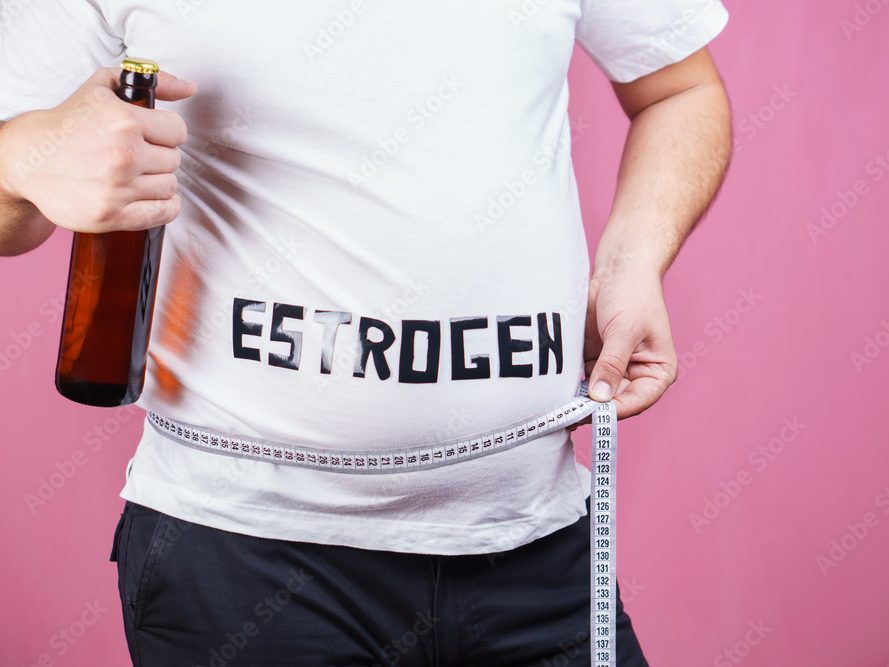
- Reproductive Hormones: Alcohol raises estrogen and lowers testosterone. This imbalance contributes to mood swings, fatigue, muscle loss, and weight gain in both men and women.
Ever notice how your heart races in the middle of the night after a few drinks? That’s your cortisol spiking, leaving you wide awake at 3 a.m. Add suppressed melatonin, and you’re in for a restless night!
Why It Matters:
This hormonal disruption creates a ripple effect:
- Mood Swings: Cortisol and hormonal imbalances leave you feeling more anxious or irritable.
- Energy Crashes: Poor sleep and cortisol-driven sugar cravings drain your energy.
- Weight Changes: Elevated estrogen promotes fat storage, especially in the abdomen.
Gut Lining and Inflammation
Alcohol damages the gut lining, contributing to intestinal permeability (leaky gut – yeah, despite influencers using leaky gut to shill expensive and under-dosed greens powders, it’s a real thing!). It kills off beneficial bacteria while allowing harmful bacteria to thrive, creating gut dysbiosis. Over time, this imbalance promotes systemic inflammation and even autoimmune disorders. There’s so much truth in the phrase, “It starts with your gut.”
That bloated, sluggish feeling after a night of drinking? It’s not just dehydration – it’s your gut lining responding to alcohol-induced irritation and inflammation.

Why It Matters:
A compromised gut impacts everything from digestion to mood and immunity. Symptoms of gut disruption include:
- Bloating and irregular bowel movements.
- Brain fog and fatigue due to increased endotoxin absorption.
- Skin issues like eczema or acne, as inflammation manifests externally.
Sleep Deprivation Disguised as Drowsiness
While alcohol can make you drowsy, it inhibits deep sleep and REM cycles by suppressing GABA and melatonin. REM sleep is essential for emotional processing and memory consolidation, while deep sleep allows your body to repair and detoxify.

Ever wake up exhausted despite sleeping for 8 hours after drinking? That’s because alcohol robbed you of REM sleep, leaving you unrested.
Why It Matters:
Chronic sleep disruption impairs cognitive function, emotional resilience, and overall health. Without sufficient deep sleep, your body struggles to recover from stress, leading to mood swings, slower metabolism, and heightened inflammation.

Why Alcohol Feels Calming (But Isn’t)
Alcohol works by enhancing the activity of GABA, your brain’s primary calming neurotransmitter. GABA is great! Think of it as your brain’s natural brake system – it slows down overactive neurons, reducing feelings of stress and anxiety. Alcohol gives GABA a temporary boost, which is why the first sip can feel like a wave of relief washing over you.
But here’s the catch: your brain quickly compensates for alcohol’s effects by increasing excitatory chemicals like glutamate, which have the opposite effect. This creates a rebound effect, leading to heightened anxiety, irritability, or even insomnia a few hours later.
That “wine o’clock” feeling of calm after a long day? It’s a chemical illusion. Hours later, you might feel restless, experience racing thoughts, or have a nagging sense of unease as your brain’s chemistry readjusts.

Why It Matters:
The short-lived relaxation comes with a long-term cost:
- Increased Anxiety: Alcohol lowers your natural GABA production over time, making it harder to calm down without external help.
- Sleep Disruption: The rebound effect often triggers cortisol spikes and restless sleep.
- Dependency Risk: The more you rely on alcohol to calm your nerves, the more your brain associates relaxation with drinking, creating a habit loop.
The Myth of Red Wine’s Health Benefits
Red wine’s reputation as a health elixir hinges on resveratrol, an antioxidant found in grape skins. While it’s true that resveratrol has potential heart-protective benefits, the dose in a single glass of wine is minuscule compared to the amount used in scientific studies.

For example, the average glass of red wine contains 1-2 mg of resveratrol, but studies demonstrating its benefits use doses of 150-500 mg. Meanwhile, the alcohol in wine contributes to inflammation, oxidative stress, and hormone disruption.
You’ve probably heard someone say, “A glass of wine is good for your heart.” In reality, the amount of wine you’d need to consume for resveratrol benefits would cause far more harm than good.
Why It Matters:
- Inflammation: Alcohol increases inflammatory markers, negating any antioxidant benefits.
- Misleading Health Claims: Focusing on wine for resveratrol distracts from better sources, like blueberries, dark chocolate, or supplements.
- Systemic Damage: Even small amounts of alcohol can increase the risk of cardiovascular disease, liver damage, and hormonal imbalance.
Genetic Factors and Alcohol
Your genetic makeup (I’m a little obsessed with genetics, but let’s continue) plays a significant role in how your body processes alcohol. Two key genetic variants are:
- ALDH2 Deficiency: Found in some East Asian populations, this variant slows the breakdown of acetaldehyde, the toxic byproduct of alcohol. People with this deficiency experience flushing, nausea, and severe hangovers even after small amounts of alcohol.
- ADH1B Variant: This variant speeds up the conversion of alcohol into acetaldehyde, leading to faster intoxication and a higher toxic load on the body.
Additionally, genetic predispositions to conditions like anxiety or addiction can make alcohol more harmful for some individuals. For example, those with heightened cortisol reactivity may find alcohol exacerbates their stress over time.

If you’ve ever wondered why some people can drink more without hangovers while others feel terrible after one drink, it’s likely genetic. Those with an ALDH2 deficiency are at higher risk of long-term damage from alcohol.
Why It Matters:
Understanding your genetics can empower you to make informed decisions. For some, even moderate alcohol use can lead to:
- Increased Cancer Risk: Acetaldehyde is a known carcinogen.
- Heightened Hangovers: Faster alcohol metabolism creates a higher toxic load.
- Greater Stress Sensitivity: For those prone to anxiety, alcohol worsens stress responses over time.
Action Steps: Rewriting Your Nightly Ritual
Alcohol might feel like a quick fix, and don’t get me wrong – I’m not here to be a fun sucker – but its long-term effects on your hormones, gut, sleep, and overall health are far from relaxing. The good news? You have the power to create rituals that truly nourish your mind and body.

When the urge to pour a drink hits, try these instead to create lasting relaxation and improve your health:
Evening Rituals for Calm
- Tea Time: Brew calming herbal teas like chamomile, valerian root, or passionflower to naturally boost relaxation. One of my FAVORITES is Tulsi Rose Tea.
- Breathwork: Practice the 4-7-8 technique: inhale for 4 seconds, hold for 7 seconds, exhale for 8 seconds. This activates your parasympathetic nervous system. Additionally, you can place a finger in each ear and lightly press down, the pressure helps relax the vagus nerve.
- Warm Shower or Bath: Add Epsom salts for a dose of muscle-relaxing magnesium and create a spa-like experience.
Stress Relief and Emotional Support
- Weighted Blanket: Simulates the calming effects of a hug, lowering cortisol and easing anxiety.
- Connection Time: Call or text a loved one to share your thoughts or enjoy a lighthearted chat.
- Journaling: Write down three things you’re grateful for or list any worries with actionable steps.
Healthier Alternatives for “Wine O’Clock”
- Mocktails with a Twist: Opt for adaptogenic or magnesium-based drinks to wind down naturally (recipes below).
- Creative Outlets: Engage in activities like painting, knitting, or gardening to shift your focus and energy.
- Post-Dinner Walk: A 10-15 minute stroll aids digestion, lowers stress, and clears your mind. It doesn’t even have to be around dinnertime, just get out and walk. You feel like sipping? Get out for some stepping! 🙂
Simple Movement to Shift Your State
- Gentle Stretching or Yoga: Loosen tension with calming poses like child’s pose or seated forward folds. A good resource for free Yoga is DoYogaWithMe.com – hundreds of free QUALITY videos, and a paid subscription is less than $14 a month (that’s less than a gym membership!). *Not sponsored or affiliated, I’ve just loved the website and have used it for the last 5-6 years.
- Guided Meditation: Use apps like Calm or Insight Timer to guide you through relaxation techniques. Youtube has quite the offerings to find the vibe you feel good with. Marisa Peer puts out some great meditations, too!
Mocktail Recipes for Relaxation

1. Magnesium Calm Cooler
- 8 oz sparkling water
- 1-2 tsp magnesium powder (I love Natural Calm in the Raspberry Lemon flavor!)
- 1 tbsp fresh lime juice
- Optional: 1-2 drops lavender extract
2. Adaptogen Bliss Blend
- 8 oz almond or oat milk (warm if preferred)
- 1 tsp ashwagandha powder
- 1/2 tsp cinnamon
- 1 tsp honey
3. Golden Moon Tonic
- 8 oz unsweetened coconut milk
- 1/2 tsp turmeric
- 1/4 tsp ginger powder
- 1 tsp honey
- 1/2 tsp reishi mushroom powder (Check the label – Fruiting Body is what you want, and NO proprietary blends! Make sure the company is transparent here.)
4. Tart Cherry Spritz
- 8 oz sparkling water
- 2 oz tart cherry juice
- 1 slice of fresh orange
- Optional: Add a sprig of rosemary for a fragrant twist
Next time you’re tempted to pour a drink, try a magnesium mocktail, a soothing tea, or even a few minutes of breathwork instead. By swapping harmful habits for restorative ones, you’ll wake up feeling refreshed, clear-headed, and ready to take on your goals.
Your evenings deserve better than a quick fix. Choose nourishment, choose calm, and most importantly, choose you! 🙂
Your health deserves better than a quick fix. Start prioritizing true relaxation and nourishment in your evenings. Try one of the healthy habit swaps or mocktail recipes today, and experience the difference for yourself.
Need Help With A Plan of Action?
Do you need personalized guidance to create a lifestyle that supports your health and fitness goals? Let’s work together! Whether it’s managing stress, optimizing your diet, or building habits that last, I’m here to help.
👉 Follow me on Instagram (@coachmusclenugget @limitlesshealthandperformance) for more tips, recipes, and insights!
Yours In Health,
Britt Larson, Functional Practitioner, IFBB PRO

Disclaimer
The information provided in this article is for educational purposes only and is not intended as medical advice. If you have concerns about your alcohol consumption or its effects on your health, please consult with a healthcare professional. Any lifestyle or dietary changes should be discussed with your doctor, especially if you have underlying medical conditions or are taking medications.
Citations
- Emanuele, M. A., & Emanuele, N. V. (2001). Alcohol’s effects on the hypothalamic-pituitary-gonadal axis. Alcohol Research & Health, 25(4), 282–287. https://pubmed.ncbi.nlm.nih.gov/11816668/
- Roehrs, T., & Roth, T. (2001). Sleep, sleepiness, and alcohol use. Alcohol Research & Health, 25(2), 101–109. https://pubmed.ncbi.nlm.nih.gov/11584547/
- Bishehsari, F., Voigt, R. M., & Keshavarzian, A. (2017). Alcohol and gut-derived inflammation. Alcohol Research: Current Reviews, 38(2), 163–171. https://pubmed.ncbi.nlm.nih.gov/28988574/
- Smoliga, J. M., Baur, J. A., & Hausenblas, H. A. (2011). Resveratrol and health – A comprehensive review of human clinical trials. Molecular Nutrition & Food Research, 55(8), 1129–1141. https://doi.org/10.1002/mnfr.201100143
- Edenberg, H. J. (2007). The genetics of alcohol metabolism: Role of alcohol dehydrogenase and aldehyde dehydrogenase variants. Alcohol Research & Health, 30(1), 5–13. https://pubmed.ncbi.nlm.nih.gov/17718394/
- Stephens, M. A. C., & Wand, G. (2012). Stress and the HPA axis: Role of glucocorticoids in alcohol dependence. Alcohol Research: Current Reviews, 34(4), 468–483. https://pubmed.ncbi.nlm.nih.gov/23584108/
- Danel, T., & Cermakian, N. (2009). Alcohol, light exposure, and circadian rhythms: Interactions and implications for humans. Alcohol and Alcoholism, 44(5), 511–519. https://doi.org/10.1093/alcalc/agp033