Why Personalized Nutrition and Performance Matter More Than Perfect Plans
Most people do not need a more extreme plan. They need a smarter one. At Limitless Health & Performance, the goal is to help people understand how their body responds to training, nutrition, recovery, and daily stress so they can make decisions that actually fit their life.
That is the difference between chasing short-term intensity and building long-term progress. When your approach is individualized, you can stop guessing, reduce friction, and focus on the fundamentals that move health and performance forward.
What personalized support really means
Personalized support is not about making things complicated. It is about paying attention to the factors that shape outcomes: your schedule, training history, food preferences, stress load, recovery patterns, goals, and health context. For some people, genetics and nutrigenomics can add another useful layer of insight, but they should always support the bigger picture rather than replace it.
A good plan should feel clear, practical, and sustainable. It should help you understand what to do, why it matters, and how to adjust when life changes.
The fundamentals still win
There is no shortcut around the basics. Lasting results usually come from doing simple things consistently and doing them well over time.
Eating in a way that supports your energy, body composition, and performance goals
Training with purpose instead of constantly changing direction
Recovering well through sleep, stress management, and realistic workload balance
Using data and feedback to make better decisions instead of emotional ones
Building habits that fit your real life, not an idealized routine
When these pieces are aligned, progress becomes more predictable. You do not have to rely on motivation alone because your system is built to support consistency.
Where genetics can add value
Genetics can be helpful when used responsibly. They may offer insight into how someone responds to certain nutritional strategies, recovers from training, or processes specific inputs. But genetics are not a verdict, and they are not a substitute for strong coaching, good habits, and careful observation.
The most effective plan is not the most impressive one. It is the one you can understand, apply, and sustain.
At Limitless Health & Performance, genetics are viewed as one tool within a broader individualized process. The focus stays on helping each person work with their body more intelligently, not overwhelming them with noise.
Who this approach helps
An individualized approach can support a wide range of people, including those who want to improve their health, refine their nutrition, build a stronger physique, or perform at a higher level in training or competition. It is especially useful for people who feel stuck between generic advice and overly rigid systems.
If you have ever felt like you were doing everything right but still not getting the outcome you expected, the issue may not be effort. It may be that the plan was never built for you in the first place.
Start with understanding
Better health and performance usually begin with better understanding. When you know what your body needs and how your context affects your results, you can make progress with more confidence and less confusion.
That is the philosophy behind Limitless Health & Performance: understand your body, then work with it. From nutrition and recovery to genetics and performance, the aim is to create practical strategies that are informed, individualized, and built to last.
Picture your body as a unique vehicle. Some engines are built for high-speed performance, others are designed for endurance and steady travel. Some have a supercharged turbo in one area but a slower filter in another. No two vehicles are the same, and that includes the “detox system” under your hood.
Every single day, your body is breaking down and eliminating substances that could cause harm if they build up. This includes not only environmental toxins like pollutants or pesticides, but also naturally occurring substances such as hormones, neurotransmitters, and the byproducts of normal metabolism.
The way you clear these substances is shaped by your lifestyle and environment, but your genetics also play a powerful role. Certain variations in your DNA, called SNPs (single nucleotide polymorphisms), can influence how quickly or slowly your detox enzymes work.
To be clear, this is not a sentence of doom, and it’s actually very normal to have gene variations. In fact, understanding these SNPs is like finding your car’s owner’s manual. When you know how your systems are wired, you can make better choices about what fuel to use, when to schedule maintenance, and how to keep your engine running smoothly for the long haul.
If you are anything like me, you enjoy diving into the science but also appreciate when it is paired with something you can picture in your mind. That is how I have designed this article for you. First, we will cover the more complex science behind detoxification, and then I will share stories and analogies to help you visualize what is happening inside your body. Since most of us retain information better when we can “see” it, my goal is for you to leave this article feeling confident about the concepts and ready to put them into practice in ways that might make sense for your life.
The Science of the Body’s Natural Detox System (Hint: It’s More Than a Juice Cleanse)
When most people hear “detox,” they think of trendy cleanses or fasting programs (marketing at its finest, amiright? *eyeroll*). But detoxification is not a once-a-year event. Yes, some people and cultures choose to do seasonal or yearly “cleanses,” but the true detoxification your body is built to perform naturally is happening constantly. It is an intricate, highly coordinated process running 24 hours a day, every day of your life.
Detoxification is more than drinking a cayenne-lemon water. It is a three-phase biochemical process that works best when each phase is supported. If one phase slows down, the others cannot run at full capacity, and the whole system becomes less efficient. This next part digs into science, but remember, if anything goes over your head, the next section simplifies it.
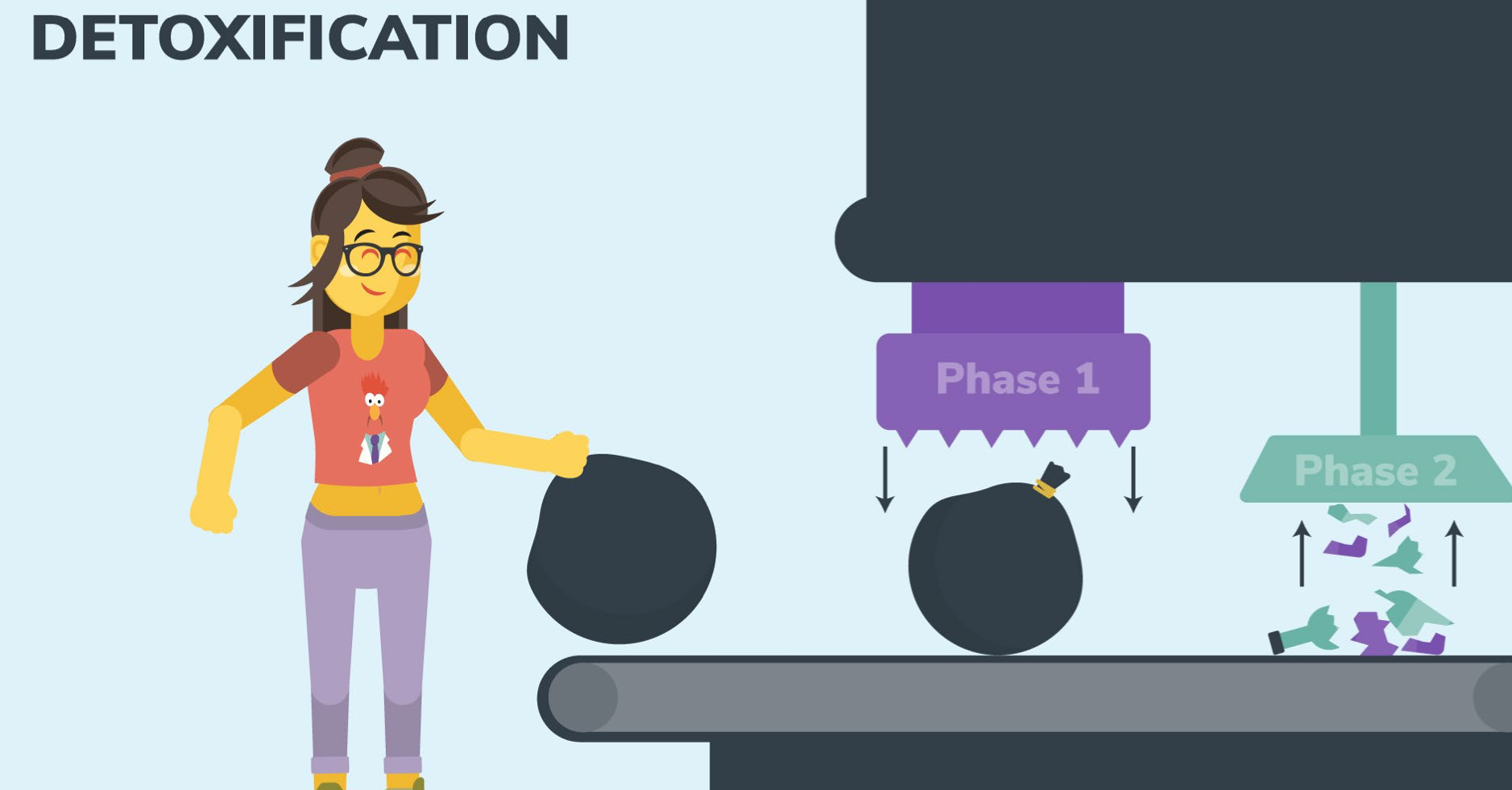
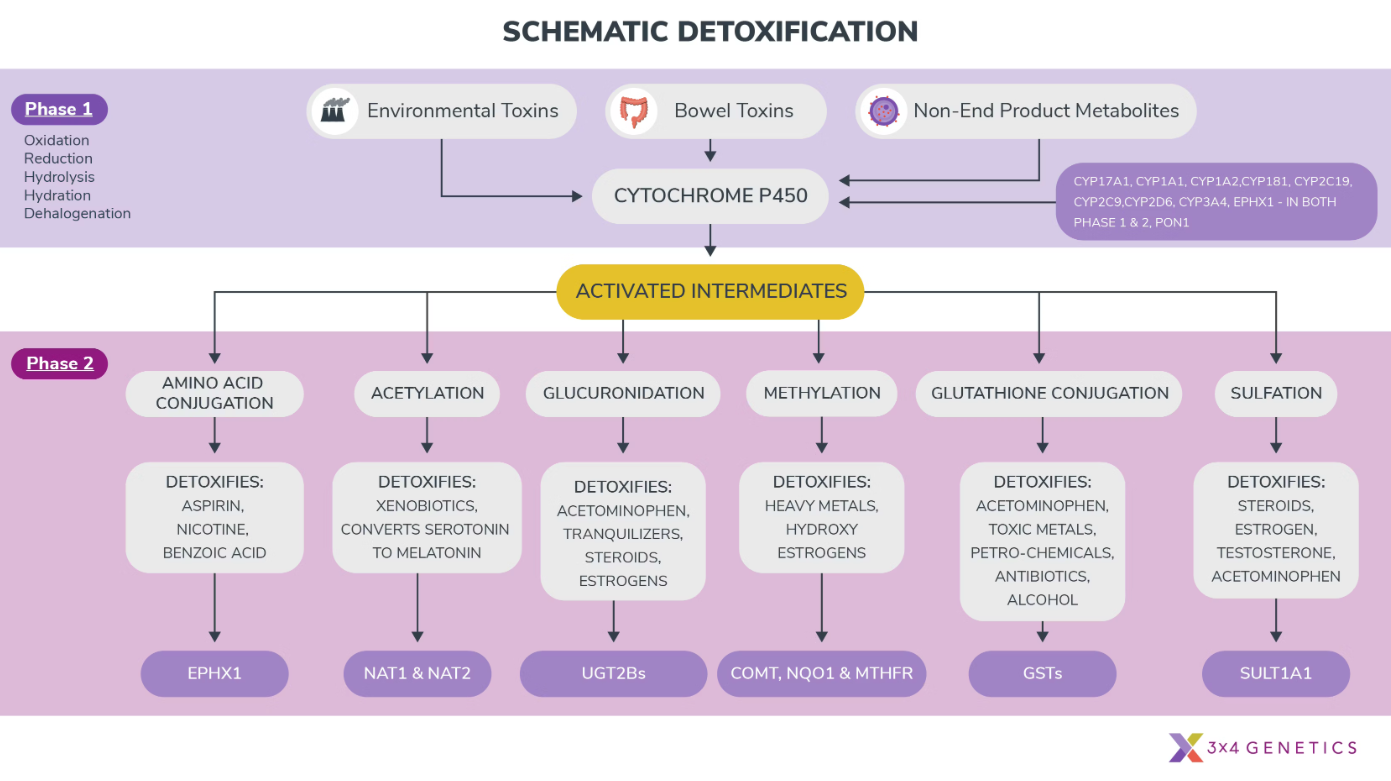
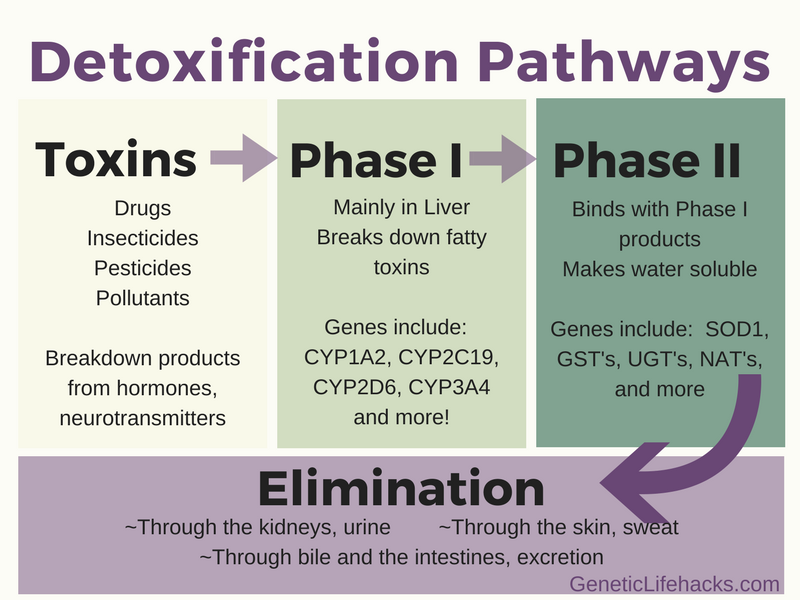
Phase 1: The Disassembly Line This is where specialized enzymes, many from the CYP450 family, start breaking down substances. They take larger, often fat-soluble compounds such as caffeine, alcohol, environmental toxins, and hormone metabolites and convert them into smaller, intermediate compounds. The catch is that these intermediates can be more reactive and potentially more harmful than the original. Without a smooth handoff to Phase 2, these compounds can create more oxidative stress in the body.
Phase 2: The Packaging and Shipping Department Here, other enzymes chemically modify those reactive intermediates by attaching molecules like sulfate, methyl groups, glucuronic acid, or glutathione. This process, called conjugation, makes the compounds water-soluble so they can be safely transported out of the body. Think of it as sealing and labeling hazardous materials so they can be moved without causing damage.
Phase 3: The Elimination Phase (“The Exit”) Once properly packaged, the compounds need to physically leave the body via urine, stool, sweat, or even breath. If elimination is slowed by dehydration, low fiber intake, sluggish digestion, or lack of movement or sweating, these packaged toxins can sit in the body longer than intended and, in some cases, be reabsorbed. Supporting this phase means hydrating well, eating adequate fiber, staying physically active, and creating opportunities to sweat.
The Bonus Layer: Antioxidant Protection Throughout all three phases, the body produces free radicals as part of the detox process. Antioxidants act as a protective layer, neutralizing these reactive molecules before they cause cellular damage. Enzymes such as SOD, GPx, and NQO1 work alongside antioxidants from nutrient-rich foods to keep oxidative stress in check. While glutathione has long been known as a “master antioxidant,” research now shows that melatonin may be even more powerful! Protecting not just your sleep-wake cycle but also cellular health around the clock.
Detox Pathway Map
Below is a simple visual to help you see how the first two phases of detox work together (first up is the nerd version followed by the simple version).
The Detox Flow, Simplified
Our DNA contains instructions for building every enzyme in our bodies, including the detox pathways. Certain variations (SNPs) can slightly change the shape, speed, or capacity of these enzymes. This does not mean something is “wrong,” and please don’t let anyone make you feel that way! It simply means your body has a particular style of processing, and when sharing educational insight with clients, I like to give visuals.
Think of it like a professional kitchen staff for a busy catering business. Orders are constantly coming in, and the goal is to get high-quality, safe food to the right people at the right time.
In some kitchens, the chopping station works quickly, breaking down ingredients into neat, uniform pieces. This is your Phase 1 “Prep Station”. The area where larger, more complex compounds like caffeine, hormones, or environmental chemicals are cut down into smaller pieces by enzymes such as those in the CYP450 family. Sometimes, these chopped pieces are even more potent or reactive than the original ingredient, so they cannot be served just yet.
Next comes the Phase 2 “Packaging Station”. Here, skilled workers wrap or prepare each chopped piece with care, using safe materials so it can be handled without harm. Think of it like a chef making sure that your chicken is cooked to a safe temperature and packaged so it won’t leak in transit. This is where your body attaches molecules like methyl groups, sulfate, or glutathione to make the compound water-soluble, easier to transport, and safe to interact with your system. This “packaging” ensures that each item is stable, secure, and ready for delivery without causing damage or “spills” along the way.
Finally, the packaged items move to Phase 3 “The Delivery Team”. This crew gets the orders out the door to the correct destination, whether that’s a customer’s event, the compost bin, or the recycling center. In your body, this means elimination through urine, stool, sweat, or breath. If the delivery team is short-staffed or the routes are blocked (for example, from dehydration, low fiber intake, or lack of movement), the packaged goods can pile up in the kitchen and, in some cases, leak back into the workspace.
Just like in a catering business, every station depends on the others. If the prep station works faster than the packaging station, counters get cluttered and mistakes happen. If the packaging station is efficient but the delivery trucks never leave, orders pile up and deadlines are missed. Knowing your body’s “catering kitchen rhythm” means you can support each stage so the entire operation runs smoothly and your system delivers exactly what it is supposed to, exactly when it is supposed to.
Now that you understand the “big picture” flow of detox, let’s zoom in on some of the individual team members in your kitchen. Each enzyme has a specific role, just like a chef or delivery driver has their own job to keep the catering business running. Some of these enzymes are especially influential, and understanding them can explain why certain foods, drinks, or medications affect you differently than someone else.
CYP1A2: The Beverage Order Specialist In our catering kitchen, CYP1A2 is like the staff member in charge of processing all the drink orders. This station handles caffeine from your morning coffee, your afternoon cold brew, and even the cacao in your dark chocolate, but it also processes certain hormone metabolites like estrogen.
If drink orders are coming in one after another, the beverage station can get overwhelmed. When that happens, other items waiting for attention, like estrogen metabolites, have to sit in the queue longer than intended. For some people, that delay can lead to estrogen hanging around in the body a bit too long, which may show up as bloating, breast tenderness, mood swings, or heavier periods.
It is not just caffeine on this “drink station” menu. Certain medications, such as some antidepressants or antibiotics, also require CYP1A2 for processing. If too many items hit this station at once, the body may prioritize certain orders over others, potentially affecting hormone balance or slowing the clearance of medications.
CYP1B1: The Estrogen Recipe Developer CYP1B1 is like the sous chef who specializes in preparing a signature dish: estrogen. In Phase 1, this station transforms raw estrogen into different “recipe versions” called metabolites. Some of these recipes are mild and easy for the rest of the kitchen to handle, while others are spicier and more reactive, requiring extra care from the packaging and delivery teams.
If the sous chef is cranking out more of the spicier recipes than the kitchen can handle, the packaging and antioxidant teams have to work overtime to keep things safe and stable. If those follow-up stations are overworked or under-resourced, this extra heat can spill over into how you feel, sometimes showing up as PMS symptoms, mood swings, or even joint discomfort.
Knowing how active your CYP1B1 enzyme is can help you decide how much support to give your “recipe developer,” often through antioxidant-rich foods and compounds that guide estrogen down a gentler path.
COMT: The Order Expeditor and Final Checker COMT works at the very end of the kitchen line, acting as the expeditor who decides which plates leave first. This station manages two busy order lines: one for stress hormones like dopamine, norepinephrine, and epinephrine, and another for estrogen metabolites that are ready to be cleared.
If the stress hormone orders are stacking up and marked “urgent,” the expeditor might focus there first, leaving estrogen orders to sit under the heat lamps. On the other hand, if there is a big estrogen backlog, stress hormones may linger longer than they should. If COMT works slowly, both lines can stall, leading to longer wait times that you might notice as prolonged stress, anxious tension, or hormone-related mood changes.
Giving your COMT expeditor the right tools, like magnesium, B vitamins, and stress-lowering practices, helps both lines move smoothly so nothing sits too long before leaving the kitchen.
Food First Approach Detox Toolkit (with Supplement Guardrails)
When you know your body’s tendencies, you can start small and often feel a difference faster than you’d expect. Below are common “kitchen traffic” patterns you might notice and how to support them naturally, starting right in your own kitchen. If supplements are more your style, you will also find trusted, professional-grade options to help. Remember that supplements are not one size fits all. Low and slow is often best, and timing your support around certain phases of your cycle or periods of higher demand can go a long way.
If coffee leaves you wired, interrupts your sleep, or PMS worsens after a high-caffeine week
Your CYP1A2 beverage station may be overloaded. This is the crew that processes caffeine orders alongside estrogen orders. When caffeine keeps pouring in, estrogen orders may sit longer before being cleared, which can contribute to hormonal symptoms.
Food First: Swap your afternoon coffee for rooibos or chamomile tea. Add 1–2 cups of cruciferous vegetables daily, cooked or raw, such as broccoli, Brussels sprouts, kale, or cauliflower to help your packaging station clear estrogen efficiently.
Supplement Option: DIM (like Pure Encapsulations DIM Detox) at 100–150 mg daily can support estrogen metabolism. Use only during the luteal or follicular phase if symptoms are cycle related. Avoid continuous year-round use unless monitored by a practitioner.
If you have bloating, breast tenderness, mood swings, or heavy periods
Your CYP1B1 estrogen recipe developer may be creating more “spicy” estrogen metabolites than your packaging station can easily handle.
Food First: Eat broccoli sprouts, cooked or raw, about ½ cup several times a week. Sprinkle fresh rosemary into meals, and add citrus peel zest to salads or tea.
Supplement Option: Sulforaphane (like Thorne Crucera-SGS) can guide estrogen down a gentler path. The sweet spot is usually 20–50 mg daily for 1–3 months or during targeted cycle phases. Avoid over-supplementing, which can overload Phase 2 clearance.
If stress lingers or hormonal symptoms flare during high-stress weeks
Your COMT expeditor may be clearing both stress hormones and estrogen more slowly.
Food First: Snack on pumpkin seeds, add leafy greens to two meals daily, and enjoy berries most days. These foods provide magnesium and B vitamins, which help COMT work efficiently.
Supplement Option: Magnesium glycinate (like Douglas Labs Magnesium Glycinate) is highly absorbable and calming. Typical dose is 200–400 mg daily. Avoid magnesium citrate here, as it increases bowel motility and is better suited for occasional constipation relief. For cycle related sluggishness, emphasize magnesium in the luteal phase.
If brain fog, fatigue, or headaches follow chemical exposure
Your antioxidant and packaging stations may need more reinforcement. While glutathione is important, emerging research shows melatonin may be the body’s most potent antioxidant.
Food First: Get morning sunlight to regulate melatonin. Eat sulfur-rich foods like garlic, onions, eggs, asparagus, and plenty of colorful produce daily.
Supplement Option: NAC (like Titan Nutrition NAC or Thorne NAC) at 600–900 mg can be used for 1–3 months or during times of higher toxic exposure. For melatonin, phytomelatonin (like Symphony Natural Health HerbatoninPRO) is more bioavailable than your run-of-the-mill synthetic melatonin. Take it earlier in the evening 2–3 hours before bed if you have slower clearance to avoid morning grogginess.
If you are sensitive to many medications or have strong side effects
Certain CYP450 kitchen stations may process medications more slowly, meaning substances linger longer in your system.
Food First: Support your liver daily with antioxidant-rich produce such as berries, leafy greens, and beets, adequate hydration, and a diet low in alcohol, smoking, and heavily processed foods.
Supplement Option: Milk thistle (like Douglas Labs Milk Thistle Max-V) can be used in short cycles of 4–8 weeks to gently support liver function. It is especially helpful during medication changes, seasonal allergy flare-ups, or after high toxin exposure. Always consult your healthcare provider before use, especially if you take prescription medications.
Detox Supplementation Should Not Be a Life Sentence
Supplements are tools, not permanent fixtures. Just like a catering kitchen doesn’t keep extra temporary staff on the clock after a big event, most detox-related supplements are best used for specific times and purposes rather than indefinitely.
In many cases, the right support is only needed during:
Certain menstrual cycle phases such as luteal or follicular
Short “tune-up” periods after a higher toxic load from travel, medication, or stress
Specific seasons when environmental exposures increase, such as allergy season or wildfire smoke
The best results come from using these tools strategically, paying attention to your body’s feedback, and ideally working with a practitioner who understands your unique genetic blueprint.
Where to Find These Resources
To make it simple, I’ve curated a collection of the supplements mentioned in this article in my Fullscript professional dispensary so you can easily access high-quality, practitioner-grade products. You’ll also find additional trusted brands I use regularly.
Fullscript Dispensary (10% Off) Shop Fullscript Here — Please read the note in my Fullscript storefront before purchasing. Not all products are meant to be taken together.
Pure Encapsulations (20% Off) Create a Free Account Here — Use practitioner code 972244 for your discount.
DoYogaWithMe Explore Classes Here — My favorite resource for adding gentle movement and recovery into your week.
If you’d like personalized guidance in choosing what’s right for you, I’d love to work alongside you and your provider. You can reach me here.
Thank you for spending some of your time with me today, I never take it for granted.
I’m Britt Larson, DFM, a functional medicine practitioner with a PhD in Holistic Medicine. My path to this work has been deeply personal. I have lived with Crohn’s disease and lupus, both now in remission through the principles of functional medicine. I know first-hand what it means to feel limited by your health, and I also know how life-changing it can be to understand and support your body in the way it truly needs.
I began my career as an IFBB Pro women’s bodybuilder and spent years helping hundreds prepare for the stage. While I loved that chapter of my life, my true passion emerged in the world of nutrigenomics and functional wellness. Today, I am a Premier Practitioner for 3X4 Genetics and GENEFIT, I write nutritional education content for the RAW Intensity Training app, serve as an athlete for Titan Nutrition, and collaborate with medical-grade supplement dispensaries to ensure my clients have access to the highest quality support tools.
Genetics changed my life. They gave me the blueprint for how to nourish and care for my body through infertility struggles, ultimately leading to the gift of my healthy baby girl. Now, I use that same science to help others uncover their own “owner’s manual” so they can feel better in the body they live in.
I do not diagnose, treat, or cure disease. My role is to educate and guide clients in understanding their unique nutrigenomic blueprint, often working alongside their healthcare providers to create realistic and sustainable strategies. Using a Food First approach, targeted lifestyle changes, and carefully chosen supplements when appropriate, my goal is to empower you to take the driver’s seat in your own health journey.
This content is for educational purposes only and is not a substitute for professional medical advice, diagnosis, or treatment. Always consult a qualified healthcare provider before making changes based on your genetic results.
References
Liska DJ, et al. Detoxification and biotransformation. In: Present Knowledge in Nutrition. 10th ed. 2012.
Zanger UM, Schwab M. Cytochrome P450 enzymes in drug metabolism: regulation of gene expression, enzyme activities, and impact of genetic variation. Pharmacol Ther. 2013;138(1):103–141.
Hayes JD, et al. Glutathione transferases. Annu Rev Pharmacol Toxicol. 2005;45:51–88.
Nicholson JK, et al. Gut microorganisms, mammalian metabolism and personalized health care. Nat Rev Microbiol. 2005;3(5):431–438.
Reiter RJ, et al. Melatonin as an antioxidant: under promises but over delivers. J Pineal Res. 2016;61(3):253–278.
Sachse C, et al. Functional significance of a C→A polymorphism in intron 1 of the CYP1A2 gene tested with caffeine. Br J Clin Pharmacol. 1999;47(4):445–449.
Lotta T, et al. Kinetics of human soluble catechol-O-methyltransferase. Biochemistry. 1995;34(13):4202–4210.
A Deep Dive into Environmental Toxins, Root Cause Health, and the Real Work of Healing, by Britt Larson, CFNMP & IFBB Pro, May 2025
Intro: Why You Feel the Way You Do (And Why It’s Not Just Stress)
If you’re tired, inflamed, overwhelmed, or just feel off, you’re not alone! And it’s not just in your head. You’re not “getting older.” I mean, we are, and that is a blessing in itself – but we tend to blame most things on age. You’re not lazy even though you might feel that way, you’re also not broken, even if you feel broken down.. You’re likely carrying a toxic load that your body was never built to handle.
Now, I know “toxins” and “detox” are overused buzzwords. Trust me, I get it. And before you come for me, hear me out.
We live in a world that has rapidly changed in the last hundred years, yet our biology hasn’t caught up. We’re surrounded by invisible threats of chemicals, plastics, pollutants, hormone disruptors, and stressors that didn’t exist a generation ago. Our bodies are resilient and incredible, but they’re not invincible. If you’re someone dealing with fatigue, hormonal chaos, digestive issues, autoimmunity, brain fog, or unexplained symptoms? This article is for you.
This isn’t about creating fear. Far from, actually, and fear-mongering absolutely grinds my gears! No, this is about clarity, connection, and giving yourself the opportunity to make educated choices. So let’s get into what’s really happening beneath the surface and what you can do to take your power back.
Part 1: You’re Not Broken or Crazy! You’re Overloaded
Your body has built-in detox systems that run 24/7. Yes, our bodies have the ability to clear itself out via your liver, kidneys, lymph, skin, lungs, and gut, and these systems are constantly filtering out what doesn’t belong. The problem isn’t that your body can’t detox. The problem is that it’s overwhelmed by the sheer volume of toxins it’s being exposed to daily.
This includes:
Pesticides, herbicides, and preservatives in food
Plastics, flame retardants, and VOCs in your home
Hormone disruptors in skincare, cleaning products, and yes, water
Chronic stress and nervous system dysregulation
EMFs, mold, synthetic fragrances, and more
While, YES, we have the ability to detox with our organs, over time though, this burden accumulates. It gets stored in fat tissue, brain tissue, breast tissue—even bones. That buildup is called bioaccumulation, and it doesn’t always show up in labs. It shows up in symptoms:
Exhaustion no matter how much you sleep
Brain fog or forgetfulness
PMS, fibroids, fibrous breast tissue, endometriosis
Infertility or irregular cycles
Skin issues like acne or eczema
Autoimmune flares
Thyroid dysfunction with “normal” labs
Sound familiar? Let’s dig into what’s behind it.
Part 2: Where the Toxins Are Coming From (And What They’re Doing to You)
Bromide: The Thyroid Saboteur
Bromide is a halogen used in flame retardants, baked goods, and some pool chemicals. The problem? It competes with iodine! Iodine is an essential mineral for your thyroid, ovaries, and breast tissue. When bromide displaces iodine, it disrupts hormone production and mitochondrial function. This leads to deep fatigue, estrogen dominance, and thyroid dysfunction, even if your labs say you’re “fine.”
Where it’s hiding:
Flame-retardant mattresses, furniture, and car seats
Potassium bromate in non-organic breads and bagels
BVO (brominated vegetable oil) in citrus sodas
Some pesticides and pool chemicals (if you’ve experienced bromide poisoning after a day in the pool, you know exactly what I’m talking about!)
What it can cause:
Cold hands and feet
Fatigue that doesn’t respond to rest
Brain fog or light sensitivity
Breast tenderness or cysts
Thyroid symptoms with “normal” TSH
Skin breakouts or rashes
What can you do about it?
Avoid citrus sodas and conventional baked goods (check labels!)
Choose a mattress without flame retardants (Avocado, Naturepedic, Birch)
Support iodine levels with seaweed (like dulse and kelp) if tolerated, and if you have a “hot nodule” on your thyroid or in your ovary, you should seek out an educated professional before adding in iodine
Work with a practitioner to assess iodine/selenium balance
Use binders like activated charcoal or fulvic acid as needed
Fragrance & Plastics: The Estrogen Hijackers
Synthetic fragrances and plastics are full of chemicals like phthalates, parabens, and BPA. Now, everything has “chemicals”, but what I mean here specifically are the compounds that mimic estrogen in the body but don’t act like it. These xenoestrogens bind to hormone receptors and throw off your body’s rhythm, metabolism, and detox capacity. Over time, especially in the presence of low iodine and selenium, they promote estrogen dominance and increase the risk of hormone-driven cancers.
Where they’re hiding:
Perfume, scented lotions, air fresheners
Dryer sheets and conventional laundry detergent
Receipts (thermal paper), plastic containers and wrap
Personal care products with “fragrance” on the label
What they can cause:
Painful, heavy, or irregular periods
Mood swings, bloating, or PMS
Weight gain in the lower belly, hips, and thighs
Breast tenderness, dense tissues, or fibroids
Fertility issues or PCOS
Sleep issues and blood sugar swings
What can you do about it?
Ditch all synthetic fragrances! Yes, all of them, even the Love Spell spritz that was our go-to growing up (lol)
Switch to clean brands for skincare, makeup, and deodorant (EWG Skin Deep is your friend, use it!)
Store food in glass or stainless steel and never microwave plastic
Avoid receipts or wash your hands immediately after handling
Support estrogen detox with COOKED cruciferous vegetables, fiber, DIM or calcium-d-glucarate
Glyphosate & Pesticides: The Gut Wreck Crew
Glyphosate (Roundup) is an herbicide sprayed on conventional crops. You know the joke that we are basically plants? Yeah, because we kind of are. And what can damage the plants also has effects on US by damaging the gut lining, altering our microbiome, and blocking the enzymes we need for our natural ability to detox. It also binds minerals like magnesium and zinc – making you nutrient-deficient even with a good diet. This chemical has been linked to autoimmunity, hormone imbalances, and neurological issues.
Where it’s hiding:
Non-organic wheat, oats, corn, and soy
Strawberries, spinach, apples, and bell peppers (Dirty Dozen list)
Wine, coffee, and tea (conventionally grown)
What it can cause:
Bloating, IBS, and food sensitivities
Brain fog and/or mood swings
Skin flare-ups or eczema
Histamine intolerance
Fatigue and joint pain
Anxiety and inflammation that won’t budge
What can you do about it?
Prioritize organic versions of the Dirty Dozen (look up the Dirty Dozen and Clean Fifteen foods)
Use baking soda & vinegar washes on conventional produce
Drink organic coffee and wine (yes, it makes a difference)
Repair gut lining with bone broth, glutamine, and probiotics
Use binders, antioxidants, and fiber to mop up residuals
Part 3: What Real Detox Looks Like (Hint: It’s Not a Damn Juice Cleanse)
When I mention “detox”, what I am NOT referring to is guzzling cayenne-lemon-vinegar water for 5789579 days. Absolutely not. Not ever. What I am referring to with “detox” is by giving your body the support (ie nutrition and co-factors) it needs to do what it’s already trying to do – flush out what doesn’t belong with it’s own natural abilities.
Plumbing Orange County CA 92655
Step One: Open the Drainage
If your colon, liver, kidneys, and lymph system are backed up and gunky, toxins can’t leave. They recirculate, causing more inflammation. That’s why there is more to “detox” than some freaking juice fad.
Signs your drainage is clogged:
Constipation
Puffy face or ankles
Breakouts or rashes
Waking up at 3 AM
Brain fog after supplements or sauna
How can you support it?
Hydrate with filtered, mineral-rich water
Poop daily – use magnesium citrate or triphala if needed
Use castor oil packs on your liver 3–4x/week
Sweat regularly (sauna, hot baths, exercise)
Dry brush to move your lymph
Step Two: Calm Your Nervous System
You can’t detox in fight-or-flight. Chronic stress constricts bile flow, slows digestion, and blocks your body’s healing response.
Get outside within 30 minutes of waking (get natural sunlight in those peepers!)
Walk barefoot on grass or dirt (grounding reduces inflammation)
Practice 4-7-8 breathing or cold contrast showers
Take adaptogens like ashwagandha or lemon balm
Turn off WiFi and sleep in a dark, quiet room
Step Three: Feed Your Liver and Gut
Those co-factors I mentioned above? Your liver needs those raw materials to detox: amino acids, sulfur, antioxidants, and fiber. That juice cleanse isn’t going to replace this.
Signs you’re missing detox nutrients:
Histamine reactions or allergies
Worsening symptoms with new supplements
Skin flares or hormone issues despite clean eating
Constipation, irritability, or sleep disturbances
What to incorporate:
Cruciferous veggies (broccoli, cauliflower, kale) *these should be COOKED for thyroid health
Sulfur-rich foods (garlic, onions, eggs)
Healthy fats (olive oil, avocado) for bile flow
Glutathione, NAC, or milk thistle as needed
Fermented foods (sauerkraut, coconut yogurt) and quality probiotics (not some cheap Amazon buy, please don’t.. the health space is a giant target for scammers and dupes)
Part 4: How to Live Well in a Toxic World
That sounds pretty dramatic, on purpose. And while we can’t avoid every toxin, we don’t need to. The power lies in reducing exposures that matter most and supporting our body’s capacity to handle the rest. Do what you can with what you have.
Start here:
Swap Teflon for cast iron or stainless steel
Replace plastic containers with glass
Get a water filter that removes chlorine, fluoride, and heavy metals (RO systems are the best for this, and check your local water source for lists of contaminants)
Use clean, fragrance-free products on your skin and in your home
Choose organic for the Dirty Dozen, buy the Clean Fifteen, and soak the rest
Take breaks from tech, unplug WiFi at night, touch the grass (literally), and move your body often
You Don’t Have to Agree with Me, But Let’s Be Better Than the Noise
Let me be clear: You are free to your opinion, which is a beautiful thing.
For me? I’m tired of the fearmongering. I’m tired of the name-calling, the labeling, and the polarization, especially in health conversations.
There’s a growing habit in both mainstream and alternative health circles to discredit anyone who doesn’t agree with you:
If you question pharmaceutical practices, you’re labeled a quack or anti-science.
If you work in conventional medicine, you’re accused of being paid off by Big Pharma.
If you care about root cause healing, you’re fear-based or too crunchy.
If you choose evidence-based medication, you’re blind to the truth.
Enough.
We don’t get anywhere by shouting from extremes. You might get more clicks and views, though. I don’t live in either camp. I live in the middle – where logic, lived experience, evidence, and curiosity coexist. That’s the space I choose to stay in. Those that are screaming from the extremes aren’t terribly credible in my eyes. It feels disingenuous.
You’re allowed to disagree with me. You don’t have to adopt every belief or practice I share. But what we can’t afford is to let fear, ego, or dogma stop us from seeing what’s actually happening in our bodies, our environment, and our world.
We need more honest conversations, less tribalism. More critical thinking, less canceling. More solutions, less drama and bullshit clickbait.
So no. This article isn’t about judgment. It’s about awareness. And what you choose to do with that awareness is absolutely up to you.
Ready to Take Your Power Back?
You don’t have to do everything. You just have to do something, and do it with intention.
Clean up your most frequent exposures
Open your body’s drainage systems
Support your nervous system
Eat in a way that nourishes detox, not restricts it, and put down that freaking cayenne water
Make decisions from a place of clarity, not fear
If you want help creating a plan that actually fits your life? I’m here for it.
Healing doesn’t happen from hacks and noise. It happens when you understand your body, protect your environment, and stop waiting for permission to do what you know you need to do.
When we know and become aware, we can do better. For ourselves, our loved ones, and the environment we all collectively live in.
For personalized coaching and more insights on optimizing your health and wellness, feel free to reach out:
Thank you for spending some of your time with me today! If this brought value and insight to you, you can show support by liking and sharing this with your friends.
Disclaimer: This article is for educational purposes only and is not intended to diagnose, treat, or cure any medical condition. Always consult with your health team with questions about lifestyle changes.
Summertime means more sunshine, more skin, and for most people, more damage! Between chemical-loaded sunscreens, intense UV exposure, and skin-aging dietary choices, it’s easy to sabotage your glow without realizing it.
But aging gracefully doesn’t mean avoiding the sun completely! It means being smart about how you support your skin, inside and out. This article breaks down a little bit about sun safety, skincare, nutrition, product picks, and even eco-conscious swaps, so you can glow without guilt.
Disclaimer:
This article is for educational purposes only and not intended to diagnose, treat, or cure any condition. Always consult with your medical provider or dermatologist before starting new products or protocols.
The Truth About Sun Exposure
Sunlight is necessary for human health. Our bodies respond incredibly to light! It regulates our circadian rhythms, supports vitamin D synthesis, balances hormones, and even boosts mood and immune function. However, too much sun exposure, especially without proper protection and timing, can lead to serious consequences for skin health and aging.
The issue isn’t the sun itself. It is how we approach exposure.
Prolonged, unprotected time outdoors during peak hours damages skin at the cellular level, accelerating aging, increasing collagen degradation, and raising skin cancer risk over time.
Key facts to understand:
UVB rays play a critical role in vitamin D production in the skin; however, excessive UVB exposure can cause sunburns and DNA damage, increasing skin cancer risk over time.
UVA rays penetrate deeper, breaking down collagen and elastin, leading to wrinkles and sagging
Chronic overexposure weakens the skin barrier and triggers inflammation, pigmentation, and premature aging
Smart exposure guidelines include:
Limiting unprotected sun to 10–30 minutes daily during early morning or late afternoon
Avoiding direct sun exposure between 10 AM and 2 PM
Utilizing wide-brimmed hats, UPF-rated clothing, and quality sunglasses for physical protection
Recommended protective gear:
Coolibar or Colombia brand UPF 50+ sun shirts
Sunday Afternoons Adventure Hat
Ray-Ban sunglasses
Is Your Sunscreen Killing the Reef (and Your Hormones)?
The sunscreen industry has spent decades pushing the narrative that more sunscreen automatically equals better skin health. However, growing evidence reveals that many commercial sunscreens introduce new problems for both the human body and marine ecosystems.
Chemical sunscreens often contain UV filters such as oxybenzone, avobenzone, octinoxate, octocrylene, and homosalate. These compounds absorb into the bloodstream quickly and are increasingly associated with hormonal disruptions, reproductive harm, and environmental toxicity.
Research shows:
Many “safe” claims by sunscreen companies are outdated or misleading
Coral reefs exposed to these chemicals suffer bleaching, viral infections, and death
Fish show developmental mutations when exposed to water containing common sunscreen chemicals
Humans experience hormone interference, potential carcinogenicity, and chemical bioaccumulation in tissues
Consumers unknowingly perpetuate this cycle by purchasing sunscreens marketed as “natural” but still containing harmful ingredients under different names. Many so-called “clean” brands are guilty of greenwashing to maintain market share, including recognizable names.. Looking at you, Pacifica. We know the DOSE matters, but when you have millions of people using these? It adds up rather significantly!
Key toxic ingredients to watch for:
Ingredient
Known Risks
Oxybenzone
Hormone disruption, coral bleaching
Octinoxate
Possible reproductive toxicity
Avobenzone
Degrades into estrogen-mimicking compounds under sunlight
Homosalate
Accumulates in blood, raising toxicity concerns
Octocrylene
Degrades into benzophenone, under investigation for carcinogenic effects
These ingredients are widely found in brands like Neutrogena, Aveeno, Banana Boat, Coppertone, and Hawaiian Tropic.
Beyond marine and environmental harm, the impacts on human health are also serious. Not to put fear into you, but I DO want to share this information to help empower you to make the best choices for yourself (and your family!):
Endocrine disruption: Certain sunscreen chemicals mimic hormones, possibly affecting fertility, thyroid function, and metabolism
Carcinogenic concerns: Traces have been detected in tumors, breast milk, and fetal tissues
Bioaccumulation: Studies show detectable levels of these chemicals in the blood after a single application, persisting for days
The Australian paradox further highlights the complexity: despite extensive sunscreen promotion, Australia maintains some of the world’s highest skin cancer rates. Sunscreen alone is not a panacea; lifestyle, diet, genetic factors, and product choice all play significant roles.
A better approach is using mineral-based sunscreens that physically block UV rays without disrupting internal systems.
Safer ingredients include:
Non-nano*zinc oxide: Broad-spectrum UV protection without systemic absorption
Titanium dioxide: Effective primarily against UVB rays, with partial UVA protection
*It is crucial to avoid nano-formulations, as extremely small particles may penetrate tissues or present inhalation risks.
Mineral sunscreen brands I recommend:
Badger SPF 30 Clear Zinc
ThinkSport SPF 50+
Babo Botanicals Clear Zinc SPF 30
Earth Mama SPF 40 Stick
You can find these options online or at most Target, Sprouts, or Whole Foods stores.
If you are ready to glow sustainably, protect your health, and stop supporting toxic industries, continue reading! We are about to dive into nutrition, skin barrier health, and modern stressors that can silently undermine your skin from within.
What You Eat Shows Up on Your Skin
The foundation for resilient, youthful skin begins internally. We are what we eat, right? Skin is a reflection of metabolic health, gut health, systemic inflammation, nutrient sufficiency, and hydration status. Relying solely on topical treatments while ignoring internal support will limit your results.
Dietary choices that undermine skin health include:
Excessive sugar: Promotes glycation, a process where sugar molecules attach to collagen and elastin fibers, making them rigid and prone to wrinkles
Processed seed oils: High omega-6 content drives systemic inflammation and may impair the skin’s ability to handle UV stress
Skin-supportive nutrients include:
Vitamin C: Critical for collagen synthesis and repair
Vitamin E: Neutralizes free radicals generated by UV exposure
Zinc and selenium: Key cofactors in antioxidant enzyme systems
Omega-3 fatty acids: Reduce inflammation and enhance skin hydration and elasticity
Foods that support skin resilience:
Wild blueberries
Bell peppers
Wild-Caught Fatty fish like salmon and sardines
Organic Bone broth rich in collagen peptides
Pumpkin seeds for zinc
If additional support is needed, high-quality supplements I recommend include (if interested, you will see discount codes/links to save at the end of this article):
Pure Encapsulations Vitamin C + Bioflavonoids
Titan Nutrition Omega-3 (20% off Code: BRIT20)
Titan Nutrition Collagen I & III
Douglas Labs Liquid Collagen Type II (with Verasol)
Your Skin Barrier Needs a Hug
The skin’s outermost layer, known as the stratum corneum, acts as a barrier to prevent water loss, block pathogens, and modulate immune responses. When this barrier is compromised, skin becomes dry, inflamed, sensitive, prematurely aged, and open to infection & scarring!
Common culprits that damage the barrier:
Harsh, alkaline cleansers
Overuse of exfoliants (both chemical and mechanical)
Alcohol-laden toners
Fragrance and sensitizers common in “natural” skincare
Proper barrier care focuses on support, repair, and strategic intervention, NOT aggressive over-treatment!
For example (I’m about to age myself here, haha!), many of us grew up believing that “scrubbing” our faces aggressively with St. Ives Apricot Scrub (hello, harsh exfoliants) or “burning off” acne with Stridex or Oxyclean pads (what uppp intense alcohol pads) was the secret to smooth, healthy skin. YES. If you know, you know!! *Cue Memory Lane, can you smell it? 🙂 At the time, feeling your skin sting, tighten, or flake was seen as a sign that the products were “working.” That life-giving red glow, lol! Today, we understand that this type of aggressive exfoliation and alcohol-based treatment severely damages the skin barrier, promotes chronic inflammation, sensitizes the skin, and can actually accelerate visible aging over time.
Modern skincare science has shifted toward supporting, protecting, and restoring the skin rather than assaulting it.
Key skin-loving strategies include:
Using pH-balanced, non-stripping cleansers to maintain the skin’s natural acidity and microbiome balance
Incorporating moisturizers with ceramides, niacinamide, and squalane to restore lipid layers and hydration
Limiting active exfoliating treatments (AHAs, BHAs, peels) to appropriate intervals based on skin tolerance
Resting the skin periodically with a simple moisturizer-only routine to allow the barrier to repair naturally
Using retinol products carefully and appropriately, recognizing that while retinoids are powerful anti-aging tools, they must be introduced slowly, paired with barrier support, and used primarily at night
Retinol and its derivatives (such as retinaldehyde and prescription retinoids) stimulate collagen production, increase cell turnover, and improve fine lines and texture over time. However, without proper skin preparation and ongoing barrier support, retinol use can lead to irritation, flaking, redness, and weakened barrier function.
Best practices for retinol use include:
Starting with lower concentrations and slow application (2–3 times per week)
Buffering retinol with moisturizer to minimize irritation during the adjustment phase
Avoiding layering retinoids with strong exfoliants or irritating actives on the same nights
Prioritizing sun protection, as retinol increases sun sensitivity
If used thoughtfully, retinol can be an excellent ally in preserving skin health and structure. If used carelessly, it can rapidly undo progress by undermining the barrier.
Barrier-supportive product recommendations:
Vanicream Gentle Cleanser
SkinFix Barrier+ Triple Lipid Cream
The Ordinary 100% Squalane Oil
La Roche-Posay Cicaplast Baume B5
(Additionally, I have been formulating my own botanical-based skincare line as part of my doctoral studies in botanical medicine. Early testing has yielded strong positive feedback, should we decide to move forward, select products may become available through the storefront in the future!)
Tools and Botanicals That Actually Work
Glowing skin does not require complicated routines or expensive gimmicks. It requires consistent, intelligent practices and support with proven tools and botanical allies.
Foundational tools include:
Gua sha and facial massage: Promote blood circulation, lymphatic drainage, and skin detoxification
Dry brushing: Improves lymphatic flow and gently exfoliates dead skin cells
Silk pillowcases: Reduce mechanical friction and moisture loss during sleep
Red Light Therapies (will get into this in another article – light therapy is amazing!)
Botanical ingredients worth prioritizing:
Aloe vera: Soothes inflammation and promotes healing
Calendula: Supports skin regeneration and calms irritation
Rosehip seed oil: Rich in natural vitamin A and essential fatty acids for collagen repair
Green tea extract: Potent antioxidant that protects against UV damage and reduces redness
Sea buckthorn oil: Provides omega-7 fatty acids that boost skin hydration and elasticity
Minimal, consistent application of these tools and botanicals can deliver meaningful improvements over time!
Bonus: Modern Stressors You Didn’t Know Were Aging You
Modern lifestyles introduce a range of unseen stressors that impact skin health far more than most realize!
Blue Light Damage: High-energy visible (HEV) blue light emitted from phones, computers, and artificial lighting penetrates the skin deeper than UVB rays, accelerating oxidative stress and collagen degradation. Blue light CAN help with acne, but we will get into that at a later time.
Solutions:
Use sunscreen containing iron oxides
Incorporate antioxidant serums with vitamin C, ferulic acid, and green tea
Dry Indoor Air: Air conditioning and heating systems drastically lower indoor humidity levels, which dehydrates the skin, disrupts barrier function, and increases sensitivity.
Solutions:
Run a humidifier at home and in the office
Focus on humectant-rich skincare products containing glycerin, hyaluronic acid, or beta-glucan
Sleep Deprivation: Restorative skin regeneration, collagen synthesis, and immune repair occur during deep sleep stages. Inadequate sleep heightens systemic inflammation and visibly accelerates skin aging. I always tell my clients: SLEEP IS A MIRACLE WORKER!
Solutions:
Prioritize 7 to 9 hours of sleep
Supplement with magnesium glycinate or glycine to promote deeper, more restorative sleep phases
Aging Is Natural. Premature Aging? Optional.
Healthy, vibrant skin does not happen by accident! In some, sure. We all have that one friend! But for most of us, beautiful skin reflects intentional choices around nutrition, recovery, protection, and self-respect.
When you nourish your body, protect your skin barrier, and choose products rooted in integrity rather than marketing, your skin will naturally reflect resilience, vitality, and youthfulness.
You do not need more products. You need the right ones. You do not need more treatments. You need the right daily practices.
Respect your skin as the brilliant, living organ it is, and it will repay you for years to come. 🙂
If you treat your skin like the intelligent organ it is, it will show!
Feel like you just got a full skin masterclass? Share this with a friend who still thinks baby oil is a sun strategy. Bookmark the page. Refer back to it. Send it to your group chat. When it comes to the blog, sharing is caring and getting the word out supports my cause (trying to TAKE OVER THE WORLDDDD, Pinky!) 🙂
Thank you for spending some of your time with me today! If this brought value and insight to you, you can show support by liking and sharing this with your friends.
Until next time friends, Be Well!
Britt Larson | IFBB PRO, CFNMP
@coachmusclenugget @LimitlessHealthandPerformance
Disclaimer: This article is for educational purposes only and is not intended to diagnose, treat, or cure any medical condition. Always consult with your health provider!
Mushroom supplements are everywhere right now – and listen, as a mycolover, I love that. Medicinal mushrooms have legit benefits when they’re grown and extracted properly. But most of what’s on the shelves? Just expensive filler wrapped in pretty packaging with wellness buzzwords strategically placed to get attention.
So if you’ve been wondering, “Is this mushroom blend actually doing anything?” – It’s not just you, and no, you’re not crazy. The supplement industry is notorious for hiding the truth behind vague labels and misleading ingredient lists. And unless you know what to look for, it’s easy to waste money on a blend that sounds magical but does next to nothing. *Screams into oblivion
If you’d like some more info on:
What makes a mushroom supplement actually effective
What to look for on the label (and what to avoid like the plague)
Common mushrooms you’ll see in blends and what they actually do
Doses that actually work
Let’s get into it.
What Are Mushroom Supplements Really Made Of?
Fruiting Body vs. Mycelium: They Aren’t the Same
Here’s the dirty little secret: Most mushroom supplements don’t even contain the part of the mushroom that gives you the benefits. Instead of using the fruiting body (the part you’d recognize as the mushroom), they use mycelium – the white root-like structure that grows underground or through a growing medium (oats, rice, sawdust, manure).
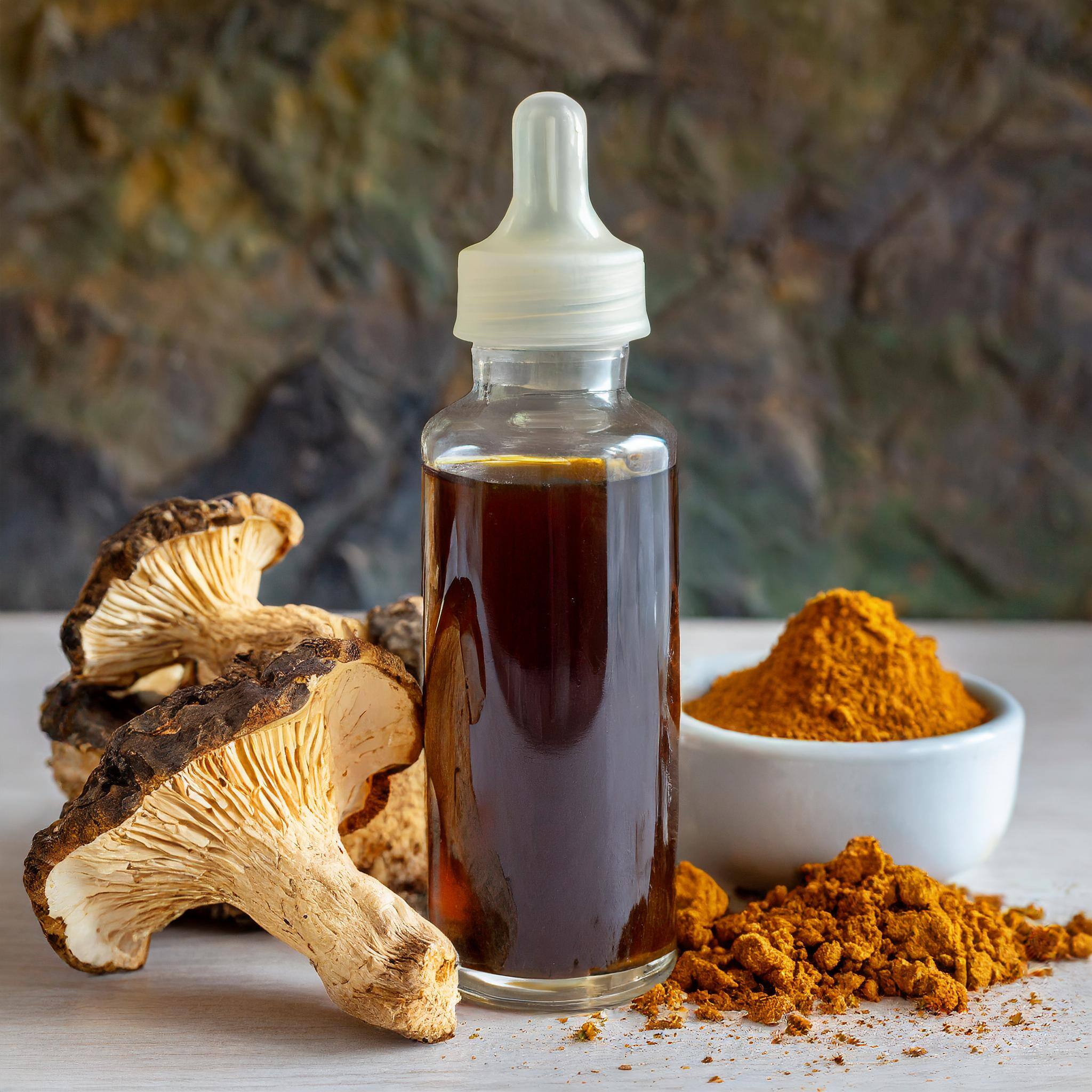
Turkey Tail Fruiting Body, as shown above.
Fruiting Body (FB) is the part you see above the surface. This is where the magic lives when it comes to supps. The FB is high in active compounds like beta-glucans, triterpenes, and antioxidants.
Mycelium is the underground network. It’s incredibly fascinating and I could absolutely end up in a cul-de-sac here, so I will stick to the point. Mycelium in nature? Yes, but in supplements? Not really. It’s often grown on grain and then ground up – grain and all.
So when a label says “Reishi Mushroom” but it’s actually “myceliated brown rice”? You’re getting mostly starch, not mushroom. That’s some expensive polysacs, bro.
Why That’s a Big Deal:
Fruiting bodies have higher concentrations of beta-glucans (will touch on this next), the compounds that support immunity, inflammation, and cellular resilience.
Mycelium on grain contains WAY less beta-glucans and significantly more filler (polysaccharides from the grain, not the mushroom).
Many companies still call it “mushroom” on the label even though it’s mostly grain mass.
That means you might be taking a daily mushroom blend that’s doing absolutely nothing – except maybe a placebo effect? And definitely draining your wallet.
What Are Beta-Glucans?
To keep it simple: beta-glucans are MVPs in medicinal mushrooms.
They’re a type of complex carbohydrate (specifically a polysaccharide) that you’ll find in the cell walls of mushrooms. But not all beta-glucans are created equal. The kind you get from oats (that help cholesterol) are totally different from the ones in mushrooms. Mushroom beta-glucans have a unique branching structure (science calls it 1,3/1,6) that’s incredibly active in our body – especially for the immune system.
They basically act like little fire alarms for your immune cells. Not to trigger panic, but to help your immune system stay sharp and responsive without going into overdrive. That’s why mushrooms are often considered immunomodulators – bringing balance to the system, not just stimulation.
Here’s what else these rad mushroom beta-glucans can support:
Immune resilience (less getting knocked down by every cold that floats by)
Gut integrity and microbial balance
Reduced inflammation
Better cellular repair and antioxidant defense
But here’s the kicker, remember that “fruiting body” from earlier? That’s where most of the beta-glucan lives, in the mushroom! Not the mycelium. And definitely not the grain the mycelium was grown on. That’s why the source and extraction process matter so much (I’ll get to that).
To keep it simple: The beta-glucans found in mushroom fruiting bodies are structurally different (and more powerful) than those from the mycelium grains.
What You Want to See:
Clear source: 100% fruiting body
Mention of dual extraction
Dual Extraction vs. Water-Only: Another Quality Check
Some active compounds in mushrooms (like beta-glucans) are water-soluble. Others (like triterpenes, especially in Reishi or Chaga) are alcohol-soluble.
If your mushroom blend is only extracted with water? You’re only getting half the benefit.
If you see these? You’re probably wasting your money.
“Myceliated grain,” “mycelium biomass,” or “full-spectrum mushroom complex” without clarification
No mention of beta-glucan content
“Proprietary blend” with no dosage breakdown
No mention of extraction method
200 mg of a 10-mushroom combo with no dosing clarity (this happens A LOT)
Myceliated grain block, above.
Lion’s Mane Fruiting Body, as shown above.
Common Medicinal Mushrooms and What They Actually Do
Reishi Known for its calming effects, Reishi supports sleep, immune modulation, and nervous system balance. It’s especially helpful if you’re chronically stressed, wired, or have trouble winding down. Effective dose: 500–2,000 mg per day of dual-extracted fruiting body. Study on Reishi
Lion’s Mane This one’s all about brain health. Lion’s Mane helps regenerate nerve cells, improve focus, and support memory. It also supports mood and may reduce symptoms of anxiety and depression. Effective dose: 500–3,000 mg per day of fruiting body extract. Study on Lion’s Mane
Cordyceps Often used for energy and performance, Cordyceps increases ATP production, helps with oxygen use, and supports endurance. Also used for libido and overall vitality. Effective dose: 1,000–3,000 mg per day. Study on Cordyceps
Turkey Tail Supports immune function and gut health by acting as a prebiotic and boosting the microbiome. It’s been extensively researched for cancer and immune therapy support. Effective dose: 1,000–3,000 mg per day. Study on Turkey Tail
Chaga Extremely rich in antioxidants, Chaga helps protect against oxidative stress, supports immune health, and may have antiviral benefits. Best when dual-extracted to capture both water- and alcohol-soluble compounds. Effective dose: 500–2,000 mg per day. Study on Chaga
Maitake Used for blood sugar regulation and immune support. It also shows promise in helping with metabolic health and inflammation. Effective dose: 500–1,500 mg per day. Study on Maitake
Shiitake Supports cardiovascular health, immune function, and cholesterol balance. It’s one of the more nutrient-dense mushrooms you’ll find. Effective dose: 1,000–2,000 mg per day. Study on Shiitake
What a Good Mushroom Product Looks Like
Here’s what to look for when choosing a mushroom supplement that actually works:
“100% fruiting body” clearly stated
Dual-extracted (water + alcohol) for full-spectrum potency
Beta-glucan % listed
Each mushroom listed individually with its exact dose
Transparent sourcing and testing (bonus if they show lab reports)
Brands I Trust (And Why)
These brands actually do what they say—and back it up with transparency:
Host Defense – Created by Paul Stamets (basically the Bob Ross of mushrooms), though some products contain mycelium so read the label
Om Mushroom – Some fruiting body formulas; better than most retail options
Pure Encapsulations – Clean, minimal, and professional-grade
Designs for Health – Clinical, transparent, and high-quality across the board
No sales pitches, just straight forward info. 🙂
Don’t Fall for the Buzz
Mushrooms can do amazing things for your body—support your brain, immune system, energy, even your gut. But they only work if you’re actually getting the real thing.
If you’ve tried a mushroom blend and felt nothing, chances are it wasn’t your body—it was the product.
So stop guessing. Look for fruiting body, beta-glucan percentages, clear sourcing, and proper doses. The science is solid, and when you buy smart, you’ll feel the difference.
Most of these mushrooms are delicious, too. You can check out farmer’s markets in your area for yummy neat finds. Some even have “ugly but taste great” sales, lol! 🙂
Need Help Navigating the Health Space?
For personalized coaching and more insights on optimizing your health and wellness, feel free to reach out:
Thank you for spending some of your time with me today! If this brought value and insight to you, you can show support by liking and sharing this with your friends.
Disclaimer: This article is for educational purposes only and is not intended to diagnose, treat, or cure any medical condition. Always consult with a qualified professional when it comes to your health.
How I feel about predatory marketing towards women!
When Pretty Colors Meet Pitiful Potency
I often get emails from companies about sponsorships, affiliations, or ambassadorships.
If I’m even remotely interested in the product, I’ll check the label. Not just the branding or marketing claims — I mean the actual ingredients and what’s on the inside. I look at:
Are they transparent with their label?
What’s the dose per serving?
Are the ingredients actually effective?
Is it QUALITY?
What’s the price?
And then… how are they marketing this?
Are they being truthful about what the product can actually do? Or are they just attaching themselves to ONE trendy word — like creatine, collagen, or beef organs — and building an entire aesthetic brand off of it, while under-dosing the product and upselling it 3, 4, 5x the normal price?
Recently, I was contacted by a supplement line being marketed to women with bright pink and green branding, flashy buzzwords, vague promises, and a sprinkle of “empowerment” language. It looked fun and cute — until I had to dig through a wall of word salad only to find myself pretty ticked off.
The beef organ capsules were part of a “proprietary blend,” and the entire serving was only 337 mg. For context: a therapeutic dose of beef organs is anywhere from 3,000–3,500 mg per day, depending on the blend (liver, kidney, heart, spleen, etc.). That’s nearly ten times more than what this product offered — yet it was more expensive than trusted brands who dose correctly.
On top of that, the company also sold creatine gummies — tiny sugar-filled gummies that delivered a standard 5g dose of creatine per serving, but were being sold for triple..no.. QUADRUPLE the cost of regular, high-quality creatine tubs that offer 100–200 servings. The marketing promised things like “get a peach,” “blast cellulite,” and “tone your curves.” It was less about science and more like a Pinterest board exploded on the label. One that caters to women who may not know how to read through the smoke.
And let’s not even talk about the reviews — a suspiciously large number of 5-star ratings all posted within a few days, most of them vague and overly enthusiastic. Almost like it was paid for.. Hmmm.. That’s a red flag. I DID manage to find some 1 star reviews buried under those overly happy reviews, which is exactly what I suspected. The truth.
But what really sent me over the edge? The absolute circus of buzzwords and fear-based marketing designed to prey on women who genuinely want to feel better in their bodies:
“Treat the Root Cause!” (This bothers me deeply, as it promotes an under-dosed pill that doesn’t address the ACTUAL “root cause”, but uses this term to hide behind a lie) “Balance Hormones!” (Not true, but go off, I suppose) “Finally Get a PEACH 🍑” (From a 5mg creatine gummy? HAHA) “Get Lean!” “Lose the Cellulite!” “Tone Up!” (Again.. HAHA) “Optimal Nutrition in 1 Capsule!” (LOL—of low-dosed, overpriced nonsense that doesn’t do sh*t) “SUPERFOODS!” “Tasty & Convenient!” “Gluten-Free!” “WILL SELL OUT!!” ← (Gotta love the panic-button FOMO 🙄 BETTER BUY IT NOW!!)
It’s gross. It’s manipulative. And it works — because the branding is polished, the messaging is “female-friendly,” and most people don’t know how to decode a label. And unfortunately, a lot of these supplement companies are preying on women with under-dosed, overpriced junk that looks cute but barely works.
As if all of that wasn’t enough, the final nail in the coffin is that this is promoted as a WOMAN-OWNED company, and if you’re a woman, you’d be inclined to TRUST another woman, right? Well, I hate to say it, and to be frank here – women can be bullshitters, too. And hey, you don’t even have to read or believe what I have to say, either. I WANT you to RESEARCH and not blindly follow!!
As a professional athlete myself, I can guarantee you these Olympians above are relying on much more than just an overpriced creatine CANDY for their success..
Let’s Compare: Pretty Labels vs Transparency
Let’s talk label honesty — because there’s a big difference between pretty branding and actual transparency. On one side, you’ve got a bottle wrapped in pastel colors, glittery fonts, and buzzwords… but flip it over, and all you get is a “proprietary blend” with no clue how much of anything you’re actually getting. It’s a guessing game. And considering the total amount of that entire blend is already pitifully low, you can bet the meaningful ingredients are just sprinkled in for label appeal. Now compare that to a brand that lays it all out: every ingredient, exact dosage, the total volume of the serving — no secrets, no games. What you see is what you get. That’s how it should be. You deserve to know what you’re putting in your body — not just hope the sparkle bottle got it right.
How to Spot This Kind of Scam (Because That’s What It Is)
This isn’t just clever branding — it’s manipulative and misleading. Here’s how you can spot it before you waste your money:
1. The Serving Size Is TINY
Give it a quick Google. If the entire serving size is tiny, and the product is making big claims — like balancing hormones, boosting metabolism, supporting detox, or building strength — it’s worth asking if the doses actually match the promises. While not every ingredient needs a therapeutic dose to have an effect, when all the “actives” are lumped into a proprietary blend totaling a few hundred milligrams, there’s just not enough room for each one to be doing much. Real results come from thoughtful dosing — not fairy dust amounts and flashy claims.
2. “Proprietary Blend” Is Used to Hide Weak Formulas
If you can’t see how much of each ingredient is in the product, it’s hard to trust what you’re actually getting. These blends often hide fillers, pixie-dusted actives, or under-dosed ingredients behind fancy names.
3. Buzzwords and Vague Claims
If the label says things like “feel sexy,” “glow up,” “get toned,” or “enhance your feminine power” — but there’s no clear connection to science or evidence-based benefits, please be wary. Aesthetic language doesn’t equal efficacy.
4. Reviews That Feel… Off
A large number of glowing reviews posted within a short time window, or ones that sound generic, overly scripted, or oddly similar, could mean the reviews were incentivized or fabricated. Companies buy reviews.
5. Overpriced for What You’re Actually Getting
Compare what the product offers (doses, servings) to reputable brands. If it costs double or triple for less than half the servings — that’s not premium, that’s predatory.
6. Too Much Money Spent on Packaging and Hype
If the packaging looks like a fashion brand and the website feels like a pop-up shop with neon slogans and no actual product details — that’s a distraction. Don’t get me wrong, quality brands have nice websites, BUT good products don’t need smoke and mirrors.
Why I’ll Never Promote Garbage
Listen — I get offers to promote things all the time. But if I wouldn’t buy it at full price myself, with no discount, no kickback, and no deal… I won’t promote it. Period. Not even if I’m paid.
Especially not if it’s targeting women with feel-good language and feel-nothing results.
Anyway, I saw this particular supplement line and felt like I needed to speak up — because I’ve been that woman. The younger version of me would have 100% bought into this kind of branding. I just didn’t know better at the time. So if this saves someone else from wasting their money and wondering why nothing’s changing — putting my opinion out there is worth it.
You deserve supplements that respect your body and your intelligence. Not gimmicks dressed in glitter.
That’s why I’m sharing this.
So maybe, just maybe, you’ll pause before falling for it too. Or you’ll share this with a friend who’s thinking about it.
Brands That Actually Do It Right
Listen, I don’t want you to get the wrong idea here. I’m about to share some supplement brands, but that doesn’t mean I’m trying to slide through the back door on you and go crazy with promotions and make this a sales article. But BECAUSE this is an article about supplements – here are some companies that I’ve trusted and worked with for years now. I use them for my clients — and for myself. There are many other quality brands out there, these are just a few.
Titan Nutrition
This is a fitness and lifestyle brand that’s focused on results, not hype. Their supplements are clearly labeled, clinically dosed, and free of artificial colorings and unnecessary fluff. They list every ingredient and the total volume per serving — no filler games. What you see is what you get. If this interests you, you can get 20% off of your purchase with this Athlete link [HERE].
Pure Encapsulations, Thorne, Douglas Labs
Professional-grade brands used in functional health practices. Every formula is third-party tested, clean, and formulated based on actual research. It’s not flashy — and that’s a good thing. It’s effective. If this is something you might need, here is a [20% Off Invite Link] for a free customer account *Will need code: 972244
Fullscript
Not a brand, but a trusted dispensary platform where you can access professional-grade supplements that are thoroughly vetted and practitioner-approved. Fullscript Dispensary: [10% Off Store Link]
Need Help Navigating?
For personalized coaching and more insights on optimizing your health and wellness, feel free to reach out:
Thank you for spending some of your time with me today! If this brought value and insight to you, you can show support by liking and sharing this with your friends.
Until next time, Be Well!
Britt Larson | IFBB PRO, CFNMP
@coachmusclenugget @LimitlessHealthandPerformance
Disclaimer: This article is for educational purposes only and is not intended to diagnose, treat, or cure any medical condition. Always consult with your healthcare provider before starting any new supplement. The views in this article are opinion and not to be taken as absolute fact, please do your own research when considering and/or purchasing supplements.
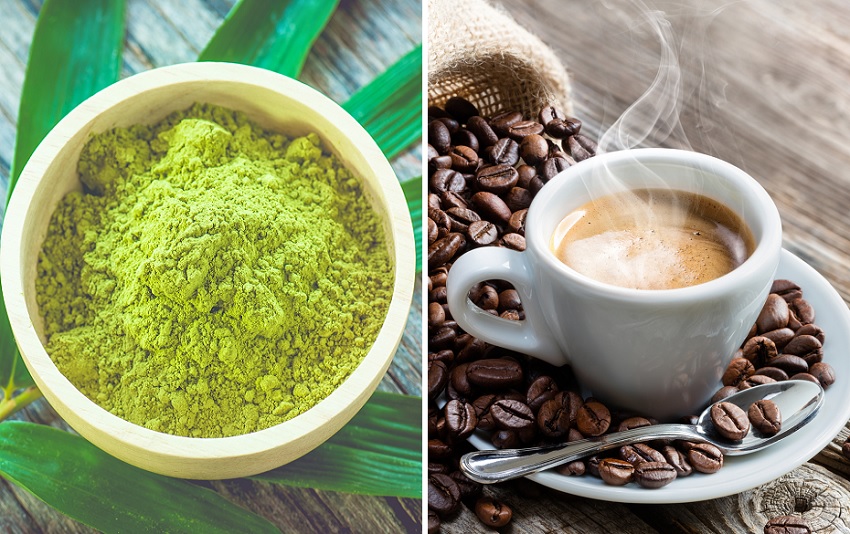
For many of us, caffeine is a daily essential. Whether it’s the rich, bold aroma of freshly brewed coffee or the earthy, umami taste of matcha, these beverages help us start our mornings and power through our afternoons. But what if there was a way to optimize your caffeine consumption to avoid crashes, improve focus, and even enhance long-term brain health?
By alternating between coffee and matcha, you can enjoy the best of both worlds – fast-acting energy when you need it and sustained, calm focus when you don’t. Let’s explore the science, practical applications, and what you can expect if you start alternating between these two powerhouse drinks.
The Science: How Coffee and Matcha Affect Your Body Differently
Before diving into how to implement this strategy, let’s break down the key differences in how coffee and matcha impact your body and brain.
1. Caffeine Content & Absorption Rate
Coffee: A standard 8-ounce cup contains about 95 mg of caffeine, which is quickly absorbed into the bloodstream. Within 15-45 minutes, caffeine peaks, blocking adenosine (the neurotransmitter responsible for making you feel tired). This leads to increased alertness, but also a potential “crash” later as the effects wear off.
Matcha: An 8-ounce serving contains about 70 mg of caffeine, but its absorption is slower due to its high concentration of L-theanine, an amino acid that promotes relaxation without drowsiness. Instead of a sharp energy spike and crash, matcha delivers a smooth, sustained boost over 4-6 hours.
2. Impact on Focus and Stress
Coffee: The high caffeine content enhances dopamine and adrenaline levels, which can lead to a surge in focus, motivation, and physical performance. However, excess coffee can also trigger jitters, anxiety, increased heart rate, and gut disturbances – especially for those sensitive to caffeine.
Matcha: Thanks to L-theanine, matcha provides a more balanced energy boost. Studies show that L-theanine and caffeine together improve attention, memory, and stress response, making matcha an excellent choice for long work sessions or high-pressure situations.
3. Antioxidant and Health Benefits
Coffee: Packed with chlorogenic acids (CGAs), coffee is a potent antioxidant that helps protect the body from inflammation and oxidative stress. Some research suggests it may reduce the risk of Parkinson’s disease, Alzheimer’s, and certain cancers.
Matcha: Rich in epigallocatechin gallate (EGCG), matcha is one of the most powerful antioxidant sources available, offering benefits like improved cardiovascular health, brain function, and even metabolism support.
4. Coffee, Matcha, and Estrogen Metabolism
Caffeine and estrogen are both metabolized in the liver, primarily through the action of cytochrome P450 enzymes, notably CYP1A2. This shared pathway suggests that high caffeine intake could influence estrogen metabolism, potentially affecting hormonal balance.
Caffeine and Estrogen Metabolism
Caffeine is predominantly metabolized by the hepatic enzyme CYP1A2, which also plays a significant role in estrogen metabolism.
High caffeine consumption might slow estrogen detoxification, potentially exacerbating estrogen dominance in some individuals.
Matcha’s Potential Benefits for High Estrogen Cases
Matcha, rich in polyphenols like EGCG, may aid in estrogen detoxification and balance.
Some studies suggest that green tea may help reduce estrogen levels and modify metabolism to favor a healthier hormonal profile.
For individuals with estrogen dominance (e.g., PMS, fibroids, PCOS, or heavy periods), matcha could be a gentler caffeine source that supports hormonal balance.
Bottom Line: If you experience symptoms of high estrogen, switching from coffee to matcha could be beneficial.
How to Apply This Knowledge to Your Daily Routine
Now that we understand how coffee and matcha work differently, let’s discuss how and when to use them strategically.
Step 1: Start with Hydration
Before reaching for your caffeine, begin your morning with a simple hydration drink to replenish your body after sleep.
Morning Hydration Recipe
8-12 oz warm water
A pinch of high-quality sea salt (for electrolytes)
Juice of half a lemon (for vitamin C and digestion)
Optional: A dash of apple cider vinegar (for metabolism and gut health)
Why? Your body loses water overnight, and dehydration can contribute to fatigue. This drink kickstarts digestion, hydrates cells, and balances electrolytes before introducing caffeine.
Step 2: Choose Your Morning Beverage Wisely
Your first caffeine choice can set the tone for your energy levels throughout the day.
When to Choose Coffee in the Morning
*You need an immediate energy boost *You’re engaging in high-intensity exercise *You have a physically demanding day ahead *You’ve had a restful sleep and need a strong start
TRY: Black coffee, espresso, or bulletproof coffee (blended with MCT oil or butter for sustained energy).
When to Choose Matcha in the Morning
*You need steady, focused energy without jitters *You have a long day of mental work ahead (e.g., studying, deep-focus work, meetings) *You’re prone to anxiety or caffeine crashes *You need antioxidants and metabolism support
TRY: A creamy matcha latte with oat, almond, or coconut milk (coconut is my favorite!), or traditional whisked matcha with hot water.
Step 3: Afternoon Pick-Me-Up Strategy
This is where alternating between coffee and matcha really shines. Many people experience an afternoon slump between 1-3 PM due to declining cortisol levels and post-lunch fatigue.
If You Had Coffee in the Morning, Try Matcha in the Afternoon
💡 Matcha’s calming yet energizing properties help prevent an afternoon crash while supporting focus and productivity.
TRY: Iced matcha latte with honey, or matcha lemonade for a refreshing boost.
If You Had Matcha in the Morning, You Can Still Have a Small Coffee
💡 Keep it low in sugar and dairy to avoid digestive discomfort or a harsh crash. A half-caff coffee or a single espresso shot is a great way to finish the workday strong without impacting sleep.
What You Can Expect from Alternating Coffee and Matcha
After a few weeks of alternating coffee and matcha, here’s what you’re likely to notice:
✅ More stable energy levels (and mood!) throughout the day (no extreme highs and lows) ✅ Improved focus and cognitive function (thanks to L-theanine in matcha and dopamine boosts from coffee) ✅ Reduced caffeine tolerance (you won’t need as much coffee over time to feel awake) ✅ Less jitteriness and anxiety from caffeine intake ✅ Better hydration and digestion from starting your day with a mineral-rich hydration drink ✅ More antioxidants and long-term brain health benefits
Many people who have switched to this method report feeling more in control of their energy, less reliant on caffeine, and overall more productive.
Bonus: Recipes to Try
Here are two simple ways to enjoy both drinks in a more health-conscious way.
Stir and enjoy.. preferably while basking in the sun with a fresh breeze flowing through your locks, Nicholas Cage.
2. Bulletproof Coffee (For Long-Lasting Energy)
Ingredients:
6-8 oz freshly brewed black coffee
1 tbsp MCT oil or coconut oil
1 tbsp grass-fed butter or ghee
Dash of cinnamon or Apple Pie Spice (optional)
Instructions:
Blend all ingredients until frothy.
Pour into a mug and sip slowly. Or take it straight to the dome, live your best life friend! 🙂
The Takeaway: Smarter Caffeine Choices for Better Health
Caffeine can be a powerful tool – even better when used strategically. By alternating between coffee and matcha, you can optimize your energy levels, support your brain health, and avoid the common pitfalls of caffeine dependence.
Give this method a try and see how it transforms your focus, energy, and well-being! Whether you need an instant jolt from coffee or sustained calm focus from matcha, knowing when to use each can make all the difference.
For personalized coaching and more insights on optimizing your health and wellness, feel free to reach out:
Thank you for spending some of your time with me today!
Until next time, Be Well!
Britt Larson
@coachmusclenugget @LimitlessHealthandPerformance
Disclaimer:
The information provided in this blog is for educational purposes only and should not be considered medical advice. Consult with a healthcare professional before making any changes to your diet or caffeine consumption, especially if you have underlying health conditions or are taking medications.
In recent years, science has begun to uncover the deep and intricate relationship between the gut microbiome and overall health—particularly how it influences mood, inflammation, and even autoimmune conditions. While many people recognize that gut health is important for digestion, fewer understand just how profoundly it impacts mental health and well-being. Today, we’re diving into what fuels or disrupts the microbiome, the dangers of over-consuming probiotics, and why addressing gut health might be the missing link for those struggling with chronic illness.
Your Gut as a Second Brain
Your gut is home to trillions of bacteria, fungi, and viruses that work symbiotically to aid digestion, regulate the immune system, and even produce neurotransmitters like serotonin and dopamine—the very chemicals that influence mood, anxiety, and cognitive function. In fact, about 90% of serotonin is produced in the gut, highlighting the essential role that the microbiome plays in mental health.
When gut bacteria are out of balance (a condition known as dysbiosis), this can lead to inflammation and an overactive immune response. The gut-brain axis, a two-way communication network between the gut and central nervous system, means that gut imbalances can manifest as brain fog, anxiety, depression, and even neurological disorders like multiple sclerosis and Parkinson’s disease (1).
Key Bacterial Strains That Influence Health
Lactobacillus rhamnosus – Known for its positive effects on anxiety and stress regulation by increasing GABA receptors in the brain. Too little of this strain is linked to heightened anxiety and depressive symptoms, while too much can sometimes lead to histamine intolerance in sensitive individuals.
Bifidobacterium longum – Helps reduce inflammation and plays a role in serotonin production, supporting mood and cognitive function. Deficiency in this strain is associated with increased inflammation and higher stress responses, while excessive amounts can contribute to bloating if not balanced with other strains.
Akkermansia muciniphila – Essential for gut barrier integrity; low levels are linked to obesity, insulin resistance, and inflammation. Too little of this strain weakens the gut lining, leading to leaky gut, while overgrowth may contribute to excessive mucus degradation, potentially damaging gut integrity.
Clostridium difficile & Escherichia coli (E. coli) – These can become pathogenic when overgrown, contributing to gut inflammation, bloating, and even neurological symptoms. A small amount is normal in a healthy gut, but too much can lead to severe infections, diarrhea, and chronic inflammation.
Methanobrevibacter smithii – A key player in methane-dominant SIBO, contributing to bloating, constipation, and slow gut motility. High levels can cause excessive methane production, leading to constipation and gas, while too little can reduce fiber digestion efficiency.
The Body as a System: The Gut’s Influence Beyond Digestion
The gut isn’t an isolated system; it’s deeply interconnected with nearly every function in the body. When the microbiome is out of balance, it can lead to widespread disruptions affecting the thyroid, adrenal glands, hormone production, metabolism, and even fat loss. For example:
Thyroid Function: Gut inflammation and dysbiosis can inhibit the conversion of T4 to active T3, contributing to hypothyroidism and sluggish metabolism.
Adrenal Health: Chronic stress combined with an imbalanced gut can lead to adrenal fatigue, causing exhaustion, brain fog, and weakened immunity.
Hormone Regulation: The gut microbiome helps metabolize and regulate estrogen, and an imbalance can contribute to estrogen dominance, leading to issues like PMS, fibroids, and mood swings.
Fat Loss & Metabolism: Beneficial bacteria play a role in insulin sensitivity and fat storage. Dysbiosis can lead to insulin resistance, increased fat accumulation, and difficulty losing weight.
Because the gut is central to so many processes, treating it holistically can have profound effects on overall health and well-being.
What Disrupts the Microbiome?
The modern lifestyle is full of microbiome disruptors that many people don’t think twice about. Here are a few key offenders:
1. Antibiotics and Medications
While antibiotics can be life-saving, they also wipe out beneficial bacteria along with harmful ones. Other medications, including NSAIDs, proton pump inhibitors (PPIs), and even antidepressants, can alter gut bacteria and create long-term imbalances (2).
2. Diet High in Processed Foods and Sugar
Diets rich in refined sugars and ultra-processed foods promote the growth of harmful bacteria while starving beneficial microbes. Additionally, artificial sweeteners like aspartame and sucralose have been shown to negatively impact the microbiome and metabolic health (3).
Refined sugars feed Candida overgrowth, leading to bloating, fatigue, and skin issues.
Processed vegetable oils (like canola and soybean oil) disrupt gut balance by increasing inflammation.
Gluten and dairy (for some individuals) can contribute to gut permeability and trigger immune responses. This is largely due to the impact of zonulin, a protein that regulates the tight junctions of the gut lining. When zonulin levels increase—often in response to gluten exposure—it can lead to a breakdown of the gut barrier, allowing harmful particles to enter the bloodstream and triggering inflammation and autoimmune reactions.
Fermented foods like kimchi and sauerkraut can support beneficial bacteria but should be consumed in moderation to avoid exacerbating overgrowths.
3. Chronic Stress
Stress isn’t just a mental burden; it directly impacts gut bacteria. High levels of cortisol can reduce bacterial diversity, increase gut permeability (“leaky gut”), and drive systemic inflammation (4).
4. Environmental Toxins
Pesticides, heavy metals, and even chemicals found in personal care products can disrupt the microbiome and contribute to inflammation. Glyphosate, a widely used herbicide, has been linked to gut dysbiosis and immune dysfunction (5).
5. Overuse of Probiotics
While probiotics can be beneficial, too much of a good thing is still too much. Flooding the gut with probiotics without understanding what is needed can lead to bacterial overgrowth and symptoms like bloating, diarrhea, and brain fog. Small intestinal bacterial overgrowth (SIBO) is a perfect example of how excessive bacterial presence in the wrong area of the gut can cause significant distress (6).
The Lesser-Known Symptoms of Gut Dysfunction
Gut imbalance doesn’t just show up as bloating or stomach pain. Here are some lesser-known symptoms and why they happen:
Sensitivity to Light and Sound: Neuroinflammation caused by gut dysbiosis can heighten sensory sensitivities. When the gut lining is compromised, inflammatory cytokines can cross the blood-brain barrier, leading to increased neural excitability and hypersensitivity to stimuli.
Skin Issues (Eczema, Psoriasis, Acne): The gut-skin axis means that bacterial imbalances can trigger inflammatory skin conditions. When the gut is inflamed, toxins and undigested food particles can enter the bloodstream, leading to systemic inflammation that manifests as skin reactions.
Autoimmune Flare-ups: Conditions like Crohn’s, lupus, and rheumatoid arthritis are often linked to gut dysbiosis. A leaky gut allows foreign particles to enter circulation, confusing the immune system and triggering an attack on the body’s own tissues.
Anxiety and Panic Attacks: Overgrowth of certain bacteria can increase histamine levels, triggering anxiety-like symptoms. Gut bacteria play a key role in neurotransmitter production, and an imbalance can disrupt serotonin and dopamine levels, leading to mood instability and heightened stress responses.
If You Decide to Take a Probiotic
Adding probiotics and fermented foods to your routine can be beneficial, but it’s important to introduce them gradually. Many people experience temporary side effects as their gut adjusts, such as bloating, gas, and mild digestive discomfort. This happens because probiotics alter gut bacteria composition, leading to changes in fermentation and gas production.
To minimize discomfort, go low and slow – start with small amounts and increase gradually. Avoid adding multiple new fermented foods or probiotic supplements at once, as this can overwhelm the gut and cause unnecessary distress.
Here are some good practices to follow:
Choosing the Right Probiotic
Not all probiotics are created equal. When selecting a probiotic supplement, consider the following:
Look for diversity – A multi-strain formula with Lactobacillus and Bifidobacterium species is a good start.
Colony-forming units (CFUs) – For general maintenance, 5-10 billion CFUs per day is sufficient. For gut repair, doses of 25-50 billion CFUs may be beneficial.
Survivability – Spore-based probiotics tend to be more resilient and can better survive stomach acid.
How to Take Probiotics and Support Your Gut Naturally
With food or without? Many experts recommend taking probiotics on an empty stomach when stomach acid levels are lower, allowing more bacteria to survive the journey to the intestines. Morning (or before bed), at least 30 minutes before eating, can be ideal for maximum effectiveness.
Time of day? Taking probiotics in the morning or before bed can be beneficial, but consistency is key. Habit Stack! Wake up, drink water with some trace minerals and take your probiotic.
Pair with prebiotics – Prebiotics like inulin, chicory root, and resistant starch feed probiotics and help them thrive.
Best Foods to Naturally Support Gut Health
In addition to probiotics, incorporating prebiotic and fermented foods can significantly improve gut balance. Here’s what to include:
Daily Gut-Friendly Foods:
Yogurt (unsweetened, organic – homemade fermented yogurt is a win here) – 1 serving (high in Lactobacillus)
Sauerkraut (raw, unpasteurized) – 1-2 tbsp
Kimchi – 1-2 tbsp
Kefir – 1/2 cup
Garlic & Onions – Natural prebiotics that feed beneficial bacteria
Weekly Gut-Friendly Foods:
Bone Broth – Supports gut lining integrity (2-3 cups per week)
Fermented Vegetables – A variety to increase microbiome diversity
Legumes & Resistant Starches (e.g., cooked and cooled potatoes, green bananas) – Feed beneficial bacteria
A Functional Approach: The “Flush”
One method that has been gaining traction in functional medicine is the “Flush.” This is a natural way to clear out bacterial overgrowths, reset the gut, and support liver detoxification. The process typically involves a combination of antimicrobial herbs, digestive enzymes, and a temporary reduction of fermentable foods. The idea is to starve out problematic bacteria while supporting the liver’s ability to detoxify built-up toxins.
If this resonates with you, know that you don’t have to navigate this alone. Healing your gut isn’t a one-size-fits-all process, and sometimes, the right guidance can make all the difference. I’ve been there – I know how frustrating and overwhelming it can feel when you’re searching for answers. If you’re ready to take control of your health and need support in figuring out the next steps, I’d love to help you develop a plan that actually works for your unique needs.
Listen to Your Gut
Your gut isn’t just digesting food; it’s dictating your mood, immune response, and overall well-being. If you are experiencing unexplained symptoms, consider the microbiome as a potential culprit. Research is still emerging, but one thing is clear—gut health is central to whole-body health.
So, the next time you’re feeling anxious, fatigued, or inflamed, ask yourself:
Is my gut trying to tell me something?
Connect with Me
If this information sparks interest and you’re looking for guidance on improving your gut health, you can connect with me through the following resources:
Dispensaries for Quality Supplements:[Pure Encapsulations] *You’ll need Practitioner code 972244
While I will never diagnose or claim to cure or treat (not a MD here!) – I AM here to empower you with the knowledge and tools to feel your best. You don’t have to settle for feeling ‘off’ – real healing is possible.
The information in this article is for educational purposes only and is not intended to replace professional medical advice, diagnosis, or treatment. Always seek the guidance of a qualified healthcare provider with any questions regarding your health or a medical condition.
References:
Cryan, J. F., & Dinan, T. G. (2012). “Mind-altering microorganisms: the impact of the gut microbiota on brain and behavior.” Nature Reviews Neuroscience, 13(10), 701–712.
Maier, L., et al. (2018). “Extensive impact of non-antibiotic drugs on human gut bacteria.” Nature, 555(7698), 623–628.
Suez, J., et al. (2014). “Artificial sweeteners induce glucose intolerance by altering the gut microbiota.” Nature, 514(7521), 181–186.
Foster, J. A., Rinaman, L., & Cryan, J. F. (2017). “Stress & the gut-brain axis: Regulation by the microbiome.” Neurobiology of Stress, 7, 124–136.
Mesnage, R., & Antoniou, M. N. (2017). “Facts and fallacies in the debate on glyphosate toxicity.” Frontiers in Public Health, 5, 316.
Pimentel, M., et al. (2003). “Small intestinal bacterial overgrowth: A framework for understanding irritable bowel syndrome.” The American Journal of Gastroenterology, 98(12), 2540–2550.
By Britt Larson, Functional Health, IFBB PRO. February 24, 2025.
Let’s be real, if you’ve ever tried to make sense of the world of nutrition, fat loss, muscle gain, or bodybuilding, you’ve probably felt like you needed a detective’s badge. And an abyss to scream into. The internet is a battlefield of conflicting advice, flashy transformations, and marketing ploys disguised as “science.”
And let’s be honest – extremes get attention. The bigger the claim, the more clicks it gets. The more shocking the before-and-after, the more it sells. And whether it’s good or bad attention, attention = money.
But here’s what most people don’t realize: that health coach you follow? He might have every client on weight loss injections while he gets a monetary kickback (which, by the way, studies are now showing those injections can cause blindness. Yikes). That girl selling a booty-building program? She might have bought hers. That “natural” bodybuilder? Yeah, he’s using site injections to make his biceps pop. Not everyone, but MOST.
And the worst part? They aren’t telling you the full story.
People genuinely want to do the right thing when it comes to their health, but the waters are murky. With so many influencers, brands, and programs focused solely on selling you something—anything—they will do and say whatever it takes to get your money. Even if it means lying.
The Manipulation Game: How Marketing Works Against You
Companies are smart. They know how to connect with you – usually through a pain point. Want to lose weight? Gain muscle? Clear your skin? Sleep better? There’s a product for that! (And another product to fix the side effects of the first one.)
Marketing isn’t just throwing out ads and hoping for the best. It’s calculated. It’s researched. It’s designed to make you feel like you NEED something, even when you don’t.
A “Healthy” Product That’s Actually…Not
Let’s talk about one of the biggest “health” scams in the game: granola bars.
Sounds harmless, right? Healthy, crunchy, some fiber, a little nutty. You probably imagine Nicholas Cage in that scene where the wind is blowing in his face. Magical, yeah? Granola bars scream “I make good choices!”
Except, sigh, most are just glorified candy bars with a sprinkle of oats to make you feel better about eating them. They’re loaded with sugar, processed oils, and preservatives – but they market themselves as “organic,” “gluten-free,” or “high protein” to make you think they’re healthy.
It’s the same trick with “fat-free” products (hello, sugar overload) or “all-natural” labels (which legally means nothing).
How to Tell What’s Real and What’s BS
So, how do you separate the truth from the marketing? How do you know if someone is giving legit advice or just trying to sell you something?
Here’s your discernment guide – aka how to sniff out the BS and make informed choices:
1. Always Ask: Who Profits?
Before you buy into any claim, ask yourself: ➡️ Who is making money from this? ➡️ What’s their motivation?
Now, don’t get me wrong. There’s a difference between using herbs, vitamins, or supplements to support your health while making lifestyle changes versus someone popping into your inbox with the latest and greatest pill that requires zero effort on your part.
If someone tells you, “You don’t have to change a thing! Just take this magic supplement, and all your problems will be solved!” 🚩 Red flag, brother. 🚩
(And I say this with love because I was once in an MLM. I genuinely thought I was doing the right thing. I fell for the big promises—life-changing products, right? No. Just more expensive, a huge commitment, and honestly, predatory. They teach you to target people’s pain points on purpose. You truly believe that you are HELPING. In reality, it’s for a sell. And the wildest part? You can get the same stuff elsewhere for a fraction of the price, without paying a monthly fee just to stay “active.” Crazy. And that’s exactly why I see it so clearly now.)
2. Look for the “Fine Print”
If someone is promoting their “client transformations” or their own, seemingly always huge giant changes? Check for inconsistencies. Did they always look like that? Did they previously get surgery and now conveniently forget to mention it? Looking at you Miss Lipo while claiming it’s better gut health as you shill your gut-health program using your fake results and word salad as the bait.
And here’s a new level of deception that most people aren’t even aware of: AI-generated transformation photos.
Yep. Some coaches are literally posting fake “before-and-afters” of people who don’t even exist. AI can now generate ultra-realistic images, and if you don’t have an eye for it, you’d never know. But take a closer look at the hands, ears, or background. Weird distortions? Probably fake.
We’ve officially hit a new level of insanity. That movie Idiocracy? We’re IN IT.
How to Spot AI-Generated “Before & After” Images
With AI advancing so quickly, some fitness coaches are now posting completely fake “before-and-after” transformations. The people in the photos? They don’t even exist.
How to spot an AI-generated fitness transformation:
Check for distortions – Look closely at hands, ears, and facial features. AI often struggles with symmetry and fine details.
Weird backgrounds – Warped door frames, uneven lighting, or backgrounds that don’t match between images are red flags.
Too perfect? – If the transformation looks flawless with no signs of natural skin changes (like stretch marks or gradual muscle growth), be suspicious.
Reverse image search – If something seems off, run the image through a reverse search to see if it appears elsewhere in an AI database.
The takeaway? If it looks too good to be true, it probably is. Don’t fall for AI-generated “proof” of a program that promises overnight success. The least they could do is add a blemish or two on that perfect skin. 🙂
3. Beware of Extreme Claims
🚩 “Lose 30 lbs in 30 days!”
🚩 “This ONE trick burns fat overnight!”
🚩 “No diet, no exercise—just take this supplement!”
No. Just no.
It’s never just ONE thing. It’s a combination of good practices:
✔️ Eating real food
✔️ Resting and managing stress
✔️ Moving your body consistently
✔️ Not relying on shortcuts that will wreck your health later
This is why I have big issues with how conventional medicine often skips over lifestyle habits and jumps straight to handing out pills like candy, yet calls Functional health pseudoscience.. But that’s a conversation for another day.
4. Do Your Own Research
Not all studies are created equal. Many are funded by the very companies trying to sell you something.
And I get it—research needs funding, much of this funding continues to get cut. So companies will fund studies on their own products. But here’s the catch: when the people paying for the research also benefit from the results, the data can be “adjusted” to highlight the positives and downplay the negatives.
That’s not to say all company-funded research is fake, but always look at who is backing the study and whether independent research supports the same conclusions.
5. Check the Ingredients (Not Just the Front Label)
The front of a package is a marketing tool. The back should tell the truth… but even then, food companies have wiggle room.
Legally, they can be up to 20% off when listing things like calories, carbs, and fats. So even if it says “zero sugar,” there might be just enough to keep it under the legal reporting threshold. Spray butter? Tictacs? Walden’s Farms Pancake Syrup? I’ve ruined a bodybuilding prep with these back in the day.
And speaking of sugar, here are some of the worst ones to watch out for:
❌ High fructose corn syrup (one of the worst for metabolic health)
❌ Aspartame and sucralose (linked to gut issues and insulin response)
❌ Acesulfame K (often used in “diet” foods, but linked to potential cancer risks)
❌ Agave nectar (sold as “natural,” but it’s crazy high in fructose)
Moral of the story? Read the full ingredient list, not just the front of the package.
How Can You Actually Make Good Choices? (The Solution Part!)
We’ve gone over much of the deception, scams, and the outright lies – but let’s talk about what you CAN do to make smart, healthy choices. Because the goal here isn’t just to avoid bad stuff, it’s to build a lifestyle that actually supports your health, fitness, and longevity in a way that’s realistic, sustainable, and works for YOU.
1. Flip the Script: Instead of “What Should I Avoid?” Ask, “What’s the Best Choice?”
It’s easy to get caught up and frustrated in the “don’t eat this, don’t take that” cycle, that can leave you feeling lost. Instead, focus on finding better alternatives rather than just eliminating things.
Swap This for That:
❌ Granola bars → ✅ Homemade energy balls with nuts, seeds, and raw honey ❌ Sugary “protein” shakes → ✅ A clean protein source like grass-fed whey isolate, low-temp processed isolate, or plant-based protein ❌ Fat-free, sugar-free snacks (usually loaded with artificial junk) → ✅ Whole foods with real, healthy fats like avocados, nuts, and full-fat greek yogurt (if you need an extra protein boost, add in a scoop of protein to mix in) ❌ Highly processed frozen meals → ✅ Batch-cooked, homemade meals with simple ingredients ❌ Sugary cereals labeled “high fiber” → ✅ Overnight oats or eggs with veggies
General rule: If it has a mile-long ingredient list with things you can’t pronounce, it’s probably not your best choice.
2. Read Labels (The Right Way)
We’ve already talked about how food labels can be misleading (since companies can be up to 20% off on their calorie and macronutrient listings – yep, twenty percent).
That means if something says it has 200 calories, it could really be anywhere from 160 to 240 calories, possibly more. Not to mention, food companies can legally round down to zero if an ingredient is present in small enough amounts, meaning “zero sugar” doesn’t always mean zero. That spray butter I mentioned? Threw it across the room into the garbage.
What to Look For on Labels:
✅ Whole, real ingredients (If you don’t recognize an ingredient, your body probably won’t either. Added vitamins and minerals often appear under long, scientific names like pyridoxine hydrochloride for vitamin B6 or cyanocobalamin for vitamin B12, so don’t confuse them with artificial additives.) ✅ Minimal added sugars (avoid hidden ones like dextrose, maltose, fructose, agave syrup, and cane juice) ✅ Healthy fats (olive oil, avocado oil, coconut oil, ghee—but NOT hydrogenated or refined oils like soybean oil, canola oil, vegetable oil, sunflower oil, safflower oil, or palm oil, which are often highly processed and inflammatory). ✅ A short ingredient list (5-10 simple, whole-food ingredients is a good target)
Pro Tip: The first few ingredients make up most of the product. If sugar or processed oils are at the top, put it back.
3. Focus on Real Food First
Supplements and products can support your health, but they shouldn’t replace real food. If your diet is based on shakes, bars, and pills, something’s off.
Once you know what to look for, you start spotting scams from a mile away. Here’s a quick checklist to help you dodge the nonsense:
🚩 Buzzwords that don’t mean much (like “superfood,” “immune-boosting,” or “natural”) 🚩 Exaggerated claims (“Melt fat overnight!” “Gain 20 lbs of muscle FAST!”) 🚩 Overuse of celebrity endorsements (If they need a famous face to sell it, it’s probably not that great. ESPECIALLY if a Kardashian is in the mix. Yikes.) 🚩 Overcomplicated products (Good health isn’t found in a mystery shake with 50 ingredients.)
5. Balance Over Perfection
Here’s the deal: you don’t have to be perfect. Health isn’t about restriction, obsession, or chasing some “ideal” body, it’s about finding a way of eating and living that makes you feel good, strong, and energized.
Some days you’ll eat clean. Some days you’ll have pizza. Both are okay. The key is what you do most of the time.
If you’re focusing on: ✔️ Whole, nutrient-dense foods ✔️ Moving your body regularly ✔️ Managing stress and sleeping well ✔️ Minimizing processed junk without obsessing
Then you’re already miles ahead of the people chasing the next fad diet.
You Deserve the Truth
At the end of the day, your health is YOURS to protect. The fitness and nutrition world is filled with smoke and mirrors, but when you start asking the right questions, you’ll see through the BS. Your health is not a product to be sold. It’s something you build with real food, real habits, and real effort.
Next time someone tries to convince you that you need their life-changing supplement, their overnight success program, or some magic shortcut, pause and ask yourself:
❓ Is this actually beneficial? Or is it just clever marketing? ❓ Is this a quick fix or a real, sustainable change? ❓ Would this still work if I didn’t buy into it?
At the end of the day, you are in control of your health. Stay sharp, make informed choices, and don’t let the marketing machine trick you into thinking you need them more than you need real, simple, time-tested habits.
Stay smart. Stay discerning. And most importantly, take care of yourself—not just the version of you they want to sell to. You’ve got this.
If you’re looking for real guidance, my coaching is all about helping you navigate nutrition, fitness, and wellness in a way that actually works for you.
And if you’re in need of high-quality supplements, I’ve got two trusted sources I personally use and recommend:
Titan Nutrition – Focused on fitness and wellness supplements (20% off here: [Titan Nutrition])
No gimmicks, no unnecessary upsells—just solid products I trust. If you’re interested in working with me, learning more, or simply need guidance, you can check out my website here: [Limitless Health & Performance].
As always, thank you for spending some time with me today. Take care!
This article is for informational purposes only and not a substitute for professional medical, nutritional, or fitness advice. Always consult a qualified professional before making health-related decisions.
Britt Larson, Functional Health & IFBB Pro. February 17, 2025.
Simplicity is King Let’s be real: the health and fitness industry is drowning in complicated advice, conflicting science, and influencers pushing everything from biohacking gadgets to 17-step meal prep routines. It’s exhausting. I’m tired y’all.
But here’s the truth: getting in shape, feeling good, and actually sticking to a plan doesn’t have to be rocket science. In fact, it shouldn’t be. If you’re tired of overthinking every meal, struggling with workout paralysis, and wondering if you need to drink celery juice upside down for results because Becky on IG is shilling out some fancy program that claims to give you visible abs by next week – this is for you.
Welcome to the KISS approach. No fluff, no gimmicks – just the basics that work. When you focus on the fundamentals, results follow.
1. The Problem With Overcomplication
Ever wonder why people jump from diet to diet or spend hours researching workout splits but never actually commit? It’s because they get lost in the details and forget to do the basics consistently.
Common Fitness & Nutrition Traps:
Spending more time researching the “perfect” plan than actually following one.
Thinking they need fancy supplements before fixing their sleep, stress, and diet.
Trying to out-exercise a bad diet instead of eating real, whole foods.
Getting sucked into social media trends instead of sticking to proven methods. Shocker: Influencers need you for income, and they’ll do anything to get it.
Not actually pushing themselves where it matters.
The fix? Simplicity. Consistency. Execution. Stop trying to optimize something you haven’t even started. The people who see real results are the ones who focus on progress over perfection. Just getting started – even if it’s not perfect -is the fastest way to learn what works for you.
2. The No-BS Nutrition Approach
You don’t need a PhD in biochemistry to eat well. Here’s what actually matters:
Eat mostly whole foods. Think lean proteins, veggies, quality carbs, and healthy fats. Less junk, fewer preservatives.
Prioritize protein. Helps with muscle, keeps you full, and balances blood sugar.
Hydrate. Stop surviving on caffeine alone – your body needs water. Oh, you need coffee to poop? Try again, you also need water.
Minimize processed crap. If it has 27 ingredients and you can’t pronounce half of them, it’s probably not great for you. If it can last on the shelf for copious amounts of time? Avoid it if you can.
Balance your meals. Protein + carbs (fiber!) + fats = stability.
Eat your vegetables and some fruit. They provide essential vitamins, minerals, and that word again: fiber. This supports digestion, gut health, and long-term disease prevention. A diet rich in a variety of colorful vegetables helps fight inflammation, keeps your immune system strong, and aids in recovery from workouts. If you struggle to eat enough, start by adding them to at least two meals a day. Heck, you can even blend veggies up and add to spaghetti sauce and NO ONE WILL EVEN KNOW. But you, of course. You sneak. 🙂
Simple rule of thumb: if it had a life (or grew in the ground), it’s probably a good choice. Food is fuel, but it’s also information – give your body the right inputs, and it will function at its best. Nutrition isn’t about perfection; it’s about making better choices consistently over time. And, when you are consistent with eating right, the one-off treat meals won’t throw you off too much (remember the 85/15 rule from last week).
3. Strength & Conditioning: Stop Overthinking Your Workouts
You don’t need a perfect program. You need consistency and progressive overload. Here’s a stupid simple guide:
Get some movement in daily. Walk, stretch, do mobility work. Your body is meant to move. Get SOMETHING in every day.
Don’t skip conditioning. You don’t have to run a marathon, but some sprints, sled pushes, or jump rope won’t kill you (and will make you a machine).
Train like you give a damn. Because you SHOULD. Effort > perfection.
A body in motion stays in motion. The more you move, the better you will feel – physically and mentally. Sticking with daily movement creates momentum, and what once felt difficult will become second nature. Over time, your body will adapt, and things that used to feel hard will get easier. Before you know it, you’ll be stronger, more capable, and moving with confidence. Fitness is about movement, not just exercise – find ways to make it part of your everyday life.
Progressive Overload & How to Actually Push Yourself
Getting stronger over time isn’t just about showing up – it’s about challenging your muscles to adapt. Progressive overload means gradually increasing the difficulty of your workouts to keep making progress. This can be done by adding weight, increasing reps, improving control, or enhancing time under tension.
Push past the burn – but with control. That discomfort at the end of a set? That’s where change happens. Stop cutting your sets short when things get tough. You’re already there, make the best of it!
Perfect your reps. Sloppy form doesn’t count. Lower the weight if needed, but make sure every rep is controlled, intentional, and hitting the right muscles.
Add weight in small increments. If you can jump 25s or 45s between sets, your working weight isn’t hard enough. The sweet spot for muscle growth is adding 2-5- maybe 10 lbs at a time – just enough to challenge you without breaking form.
Slow down the eccentric phase. Lowering the weight with control creates more muscle tension and leads to better gains. Don’t just drop the weight – fight against it. Oh, if you’re the Billy Badass that drops the deadlift bar at the top? You’re a half repper. Lower that shit right, dingleberry.
Your body is capable of far more than your mind tells you. Train with intent, push your limits the smart way, and trust the process.
Your goal? Get stronger. Get more athletic. Stay mobile. Feel good. Stop complicating it – lift, move, recover, and repeat. That’s it.
4. Sleep & Stress: The Silent Killers
This should be number 1, honestly. You can have the best diet and training plan, but if you’re running on four hours of sleep, training 7 days a week, and stressing out 24/7, you’re fighting an uphill battle.
Get at least 7-9 hours of sleep. This isn’t negotiable. Your body needs it for muscle recovery, brain function, and hormonal balance. Ditch the late-night scrolling and set up a wind-down routine that actually helps you rest. If you’re a new parent? I feel for you. We’re in this together, pal.
Reduce mental clutter. Chronic stress throws your body into survival mode, making it harder to lose fat, build muscle, and just feel good. Find ways to reset – deep breathing, movement, sunlight, laughter. When you clear out the unnecessary, you’ll realize how much energy it took to keep that stress running in the background of your life!
Protect your energy. Pay attention to what (or who) drains you. If your environment is stressful, full of negativity, or chaotic, it’s going to affect everything – your workouts, your food choices, your mood. Boundaries, anyone?
Your nervous system runs the show. If you’re constantly running on stress hormones, your body won’t prioritize fat loss, muscle growth, or optimal digestion. Learn to unwind, and you’ll get better results across the board. Recovery is just as important as training – don’t underestimate the power of rest.
5. Execution: How to Actually Stick to This
Motivation is cool, but discipline is better. Keep things simple and make them part of your lifestyle:
Plan your meals. Not 37 tupperware containers, but have a general idea of what you’re eating so you don’t rely on impulse choices. Always have the staples on hand so it’s easier to make the right choice (ie prepped protein, veggie, etc).
Train when you say you will. Treat it like an important meeting. No excuses. Put it on your calendar for the household to see. Get your littles involved. Be the leader in your family.
Remove decision fatigue. Create repeatable habits – same breakfast, same workout time, a few go-to meals. The less you have to think, the easier it is to stay consistent. A functional health note: PLEASE rotate your foods every week or two – diversity is incredibly important for your overall health. Without diversity, you’re leaving so much on the table.
Track the right things. Progress isn’t just the number on the scale. Pay attention to strength, energy levels, digestion, mood, skin, and sleep quality.
Don’t let a bad day turn into a bad week. Messed up a meal? Skipped a workout? Get right back on track. The biggest mistake is quitting just because things weren’t perfect.
The key is to build momentum and remove friction. The easier you make things for yourself, the less willpower you need to rely on. Success isn’t built on grand gestures – it’s built on small, repeatable habits done over time. Consistency beats intensity every time – show up, do your best, and keep moving forward. The PROGRESS is in the PROCESS.
Final Thoughts: You Already Know What to Do
Give yourself credit. You know these things. Most people already know how to get healthier – they just don’t execute. This isn’t about finding a magic trick. It’s about simplifying, committing, and actually doing the work.
No more overcomplicating. No more excuses.
Just Take Action & Keep It Simple.
Love yourself enough to treat your vessel well. It will overflow into every other part of your life.