By: Britt Larson, PhD | CFNMP | IFBB Pro

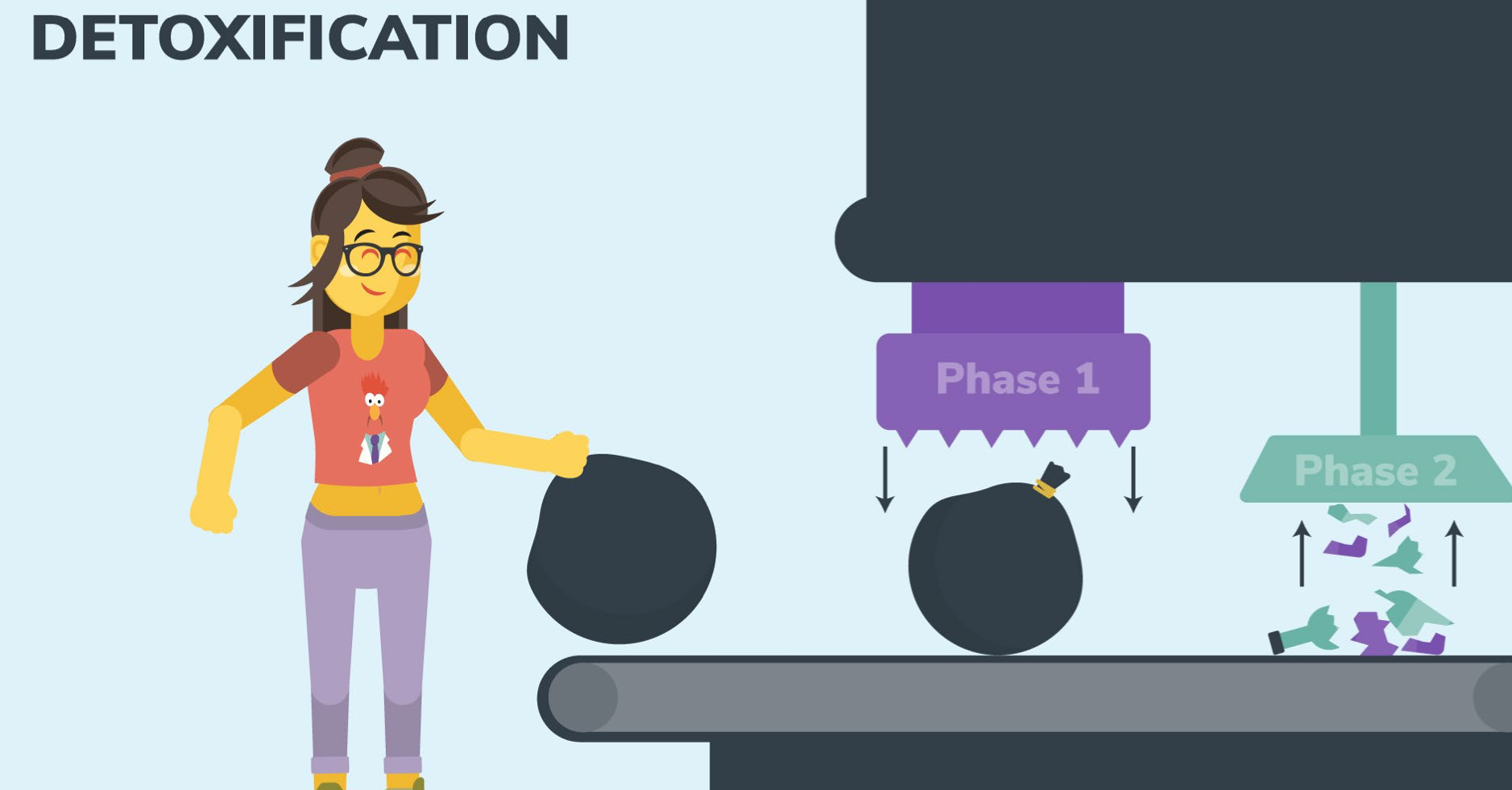
Picture your body as a unique vehicle. Some engines are built for high-speed performance, others are designed for endurance and steady travel. Some have a supercharged turbo in one area but a slower filter in another. No two vehicles are the same, and that includes the “detox system” under your hood.
Every single day, your body is breaking down and eliminating substances that could cause harm if they build up. This includes not only environmental toxins like pollutants or pesticides, but also naturally occurring substances such as hormones, neurotransmitters, and the byproducts of normal metabolism.
The way you clear these substances is shaped by your lifestyle and environment, but your genetics also play a powerful role. Certain variations in your DNA, called SNPs (single nucleotide polymorphisms), can influence how quickly or slowly your detox enzymes work.
To be clear, this is not a sentence of doom, and it’s actually very normal to have gene variations. In fact, understanding these SNPs is like finding your car’s owner’s manual. When you know how your systems are wired, you can make better choices about what fuel to use, when to schedule maintenance, and how to keep your engine running smoothly for the long haul.
If you are anything like me, you enjoy diving into the science but also appreciate when it is paired with something you can picture in your mind. That is how I have designed this article for you. First, we will cover the more complex science behind detoxification, and then I will share stories and analogies to help you visualize what is happening inside your body. Since most of us retain information better when we can “see” it, my goal is for you to leave this article feeling confident about the concepts and ready to put them into practice in ways that might make sense for your life.
The Science of the Body’s Natural Detox System (Hint: It’s More Than a Juice Cleanse)
When most people hear “detox,” they think of trendy cleanses or fasting programs (marketing at its finest, amiright? *eyeroll*). But detoxification is not a once-a-year event. Yes, some people and cultures choose to do seasonal or yearly “cleanses,” but the true detoxification your body is built to perform naturally is happening constantly. It is an intricate, highly coordinated process running 24 hours a day, every day of your life.
Detoxification is more than drinking a cayenne-lemon water. It is a three-phase biochemical process that works best when each phase is supported. If one phase slows down, the others cannot run at full capacity, and the whole system becomes less efficient. This next part digs into science, but remember, if anything goes over your head, the next section simplifies it.
- Phase 1: The Disassembly Line
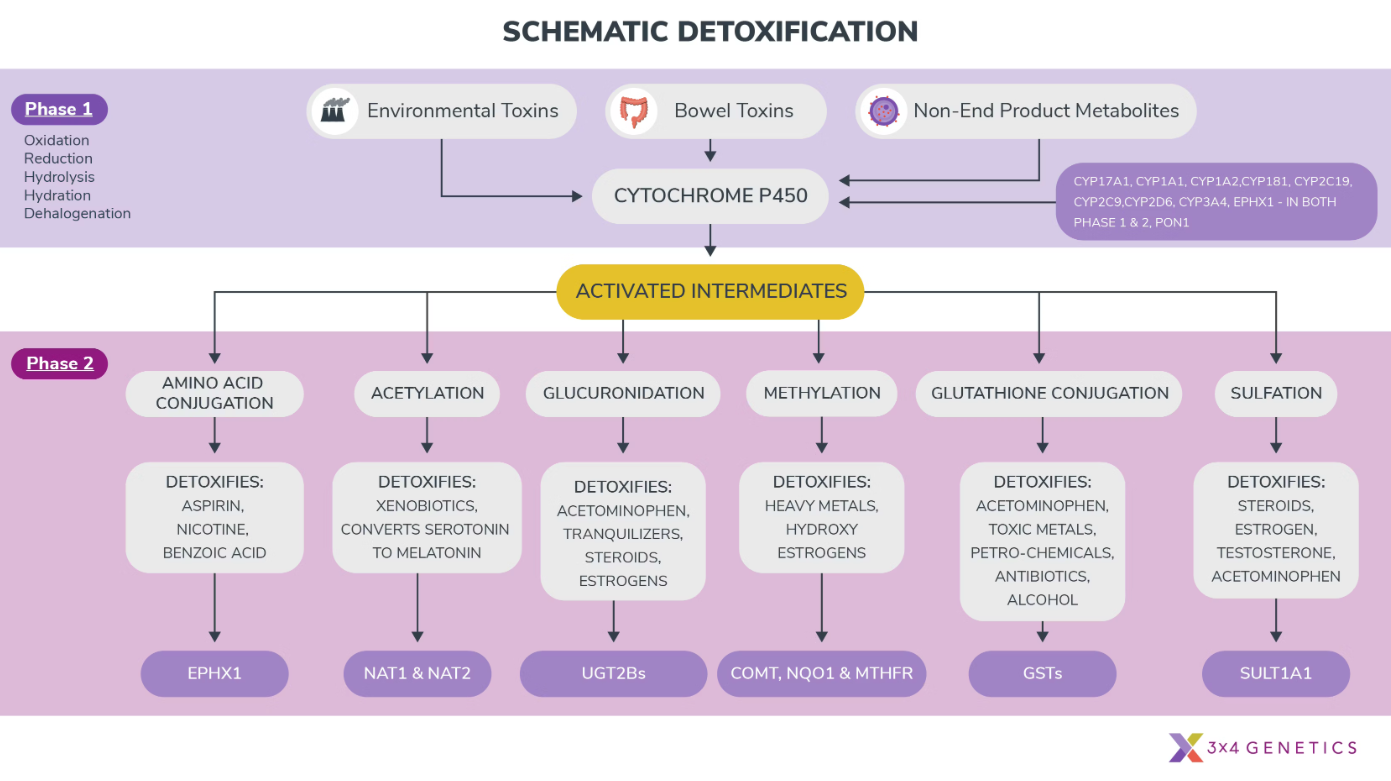
This is where specialized enzymes, many from the CYP450 family, start breaking down substances. They take larger, often fat-soluble compounds such as caffeine, alcohol, environmental toxins, and hormone metabolites and convert them into smaller, intermediate compounds. The catch is that these intermediates can be more reactive and potentially more harmful than the original. Without a smooth handoff to Phase 2, these compounds can create more oxidative stress in the body. - Phase 2: The Packaging and Shipping Department
Here, other enzymes chemically modify those reactive intermediates by attaching molecules like sulfate, methyl groups, glucuronic acid, or glutathione. This process, called conjugation, makes the compounds water-soluble so they can be safely transported out of the body. Think of it as sealing and labeling hazardous materials so they can be moved without causing damage. - Phase 3: The Elimination Phase (“The Exit”)
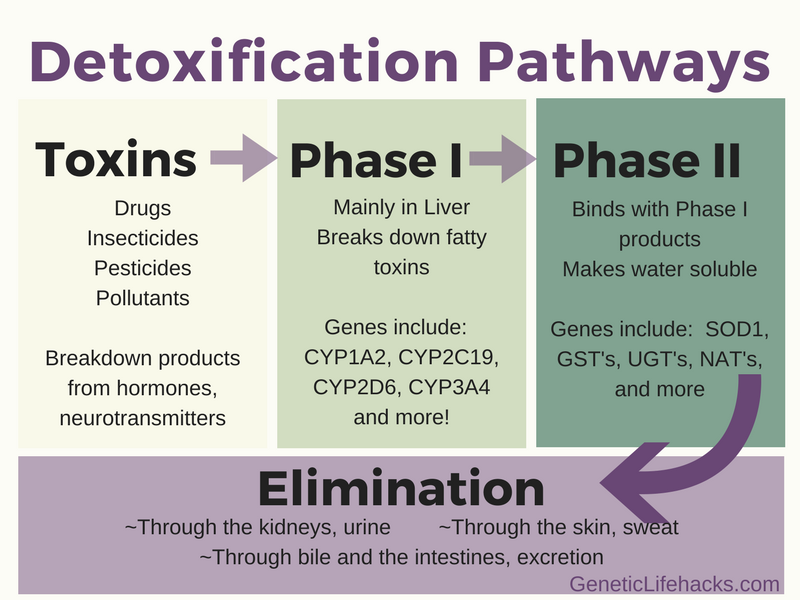
Once properly packaged, the compounds need to physically leave the body via urine, stool, sweat, or even breath. If elimination is slowed by dehydration, low fiber intake, sluggish digestion, or lack of movement or sweating, these packaged toxins can sit in the body longer than intended and, in some cases, be reabsorbed. Supporting this phase means hydrating well, eating adequate fiber, staying physically active, and creating opportunities to sweat. - The Bonus Layer: Antioxidant Protection
Throughout all three phases, the body produces free radicals as part of the detox process. Antioxidants act as a protective layer, neutralizing these reactive molecules before they cause cellular damage. Enzymes such as SOD, GPx, and NQO1 work alongside antioxidants from nutrient-rich foods to keep oxidative stress in check. While glutathione has long been known as a “master antioxidant,” research now shows that melatonin may be even more powerful! Protecting not just your sleep-wake cycle but also cellular health around the clock.
Detox Pathway Map
Below is a simple visual to help you see how the first two phases of detox work together (first up is the nerd version followed by the simple version).

The Detox Flow, Simplified
Our DNA contains instructions for building every enzyme in our bodies, including the detox pathways. Certain variations (SNPs) can slightly change the shape, speed, or capacity of these enzymes. This does not mean something is “wrong,” and please don’t let anyone make you feel that way! It simply means your body has a particular style of processing, and when sharing educational insight with clients, I like to give visuals.
Think of it like a professional kitchen staff for a busy catering business. Orders are constantly coming in, and the goal is to get high-quality, safe food to the right people at the right time.
In some kitchens, the chopping station works quickly, breaking down ingredients into neat, uniform pieces. This is your Phase 1 “Prep Station”. The area where larger, more complex compounds like caffeine, hormones, or environmental chemicals are cut down into smaller pieces by enzymes such as those in the CYP450 family. Sometimes, these chopped pieces are even more potent or reactive than the original ingredient, so they cannot be served just yet.
Next comes the Phase 2 “Packaging Station”. Here, skilled workers wrap or prepare each chopped piece with care, using safe materials so it can be handled without harm. Think of it like a chef making sure that your chicken is cooked to a safe temperature and packaged so it won’t leak in transit. This is where your body attaches molecules like methyl groups, sulfate, or glutathione to make the compound water-soluble, easier to transport, and safe to interact with your system. This “packaging” ensures that each item is stable, secure, and ready for delivery without causing damage or “spills” along the way.
Finally, the packaged items move to Phase 3 “The Delivery Team”. This crew gets the orders out the door to the correct destination, whether that’s a customer’s event, the compost bin, or the recycling center. In your body, this means elimination through urine, stool, sweat, or breath. If the delivery team is short-staffed or the routes are blocked (for example, from dehydration, low fiber intake, or lack of movement), the packaged goods can pile up in the kitchen and, in some cases, leak back into the workspace.
Just like in a catering business, every station depends on the others. If the prep station works faster than the packaging station, counters get cluttered and mistakes happen. If the packaging station is efficient but the delivery trucks never leave, orders pile up and deadlines are missed. Knowing your body’s “catering kitchen rhythm” means you can support each stage so the entire operation runs smoothly and your system delivers exactly what it is supposed to, exactly when it is supposed to.
Now that you understand the “big picture” flow of detox, let’s zoom in on some of the individual team members in your kitchen. Each enzyme has a specific role, just like a chef or delivery driver has their own job to keep the catering business running. Some of these enzymes are especially influential, and understanding them can explain why certain foods, drinks, or medications affect you differently than someone else.

CYP1A2: The Beverage Order Specialist
In our catering kitchen, CYP1A2 is like the staff member in charge of processing all the drink orders. This station handles caffeine from your morning coffee, your afternoon cold brew, and even the cacao in your dark chocolate, but it also processes certain hormone metabolites like estrogen.
If drink orders are coming in one after another, the beverage station can get overwhelmed. When that happens, other items waiting for attention, like estrogen metabolites, have to sit in the queue longer than intended. For some people, that delay can lead to estrogen hanging around in the body a bit too long, which may show up as bloating, breast tenderness, mood swings, or heavier periods.
It is not just caffeine on this “drink station” menu. Certain medications, such as some antidepressants or antibiotics, also require CYP1A2 for processing. If too many items hit this station at once, the body may prioritize certain orders over others, potentially affecting hormone balance or slowing the clearance of medications.

CYP1B1: The Estrogen Recipe Developer
CYP1B1 is like the sous chef who specializes in preparing a signature dish: estrogen. In Phase 1, this station transforms raw estrogen into different “recipe versions” called metabolites. Some of these recipes are mild and easy for the rest of the kitchen to handle, while others are spicier and more reactive, requiring extra care from the packaging and delivery teams.
If the sous chef is cranking out more of the spicier recipes than the kitchen can handle, the packaging and antioxidant teams have to work overtime to keep things safe and stable. If those follow-up stations are overworked or under-resourced, this extra heat can spill over into how you feel, sometimes showing up as PMS symptoms, mood swings, or even joint discomfort.
Knowing how active your CYP1B1 enzyme is can help you decide how much support to give your “recipe developer,” often through antioxidant-rich foods and compounds that guide estrogen down a gentler path.

COMT: The Order Expeditor and Final Checker
COMT works at the very end of the kitchen line, acting as the expeditor who decides which plates leave first. This station manages two busy order lines: one for stress hormones like dopamine, norepinephrine, and epinephrine, and another for estrogen metabolites that are ready to be cleared.
If the stress hormone orders are stacking up and marked “urgent,” the expeditor might focus there first, leaving estrogen orders to sit under the heat lamps. On the other hand, if there is a big estrogen backlog, stress hormones may linger longer than they should. If COMT works slowly, both lines can stall, leading to longer wait times that you might notice as prolonged stress, anxious tension, or hormone-related mood changes.
Giving your COMT expeditor the right tools, like magnesium, B vitamins, and stress-lowering practices, helps both lines move smoothly so nothing sits too long before leaving the kitchen.
Food First Approach Detox Toolkit (with Supplement Guardrails)
When you know your body’s tendencies, you can start small and often feel a difference faster than you’d expect. Below are common “kitchen traffic” patterns you might notice and how to support them naturally, starting right in your own kitchen. If supplements are more your style, you will also find trusted, professional-grade options to help. Remember that supplements are not one size fits all. Low and slow is often best, and timing your support around certain phases of your cycle or periods of higher demand can go a long way.
If coffee leaves you wired, interrupts your sleep, or PMS worsens after a high-caffeine week
Your CYP1A2 beverage station may be overloaded. This is the crew that processes caffeine orders alongside estrogen orders. When caffeine keeps pouring in, estrogen orders may sit longer before being cleared, which can contribute to hormonal symptoms.
Food First: Swap your afternoon coffee for rooibos or chamomile tea. Add 1–2 cups of cruciferous vegetables daily, cooked or raw, such as broccoli, Brussels sprouts, kale, or cauliflower to help your packaging station clear estrogen efficiently.
Supplement Option: DIM (like Pure Encapsulations DIM Detox) at 100–150 mg daily can support estrogen metabolism. Use only during the luteal or follicular phase if symptoms are cycle related. Avoid continuous year-round use unless monitored by a practitioner.
If you have bloating, breast tenderness, mood swings, or heavy periods
Your CYP1B1 estrogen recipe developer may be creating more “spicy” estrogen metabolites than your packaging station can easily handle.
Food First: Eat broccoli sprouts, cooked or raw, about ½ cup several times a week. Sprinkle fresh rosemary into meals, and add citrus peel zest to salads or tea.
Supplement Option: Sulforaphane (like Thorne Crucera-SGS) can guide estrogen down a gentler path. The sweet spot is usually 20–50 mg daily for 1–3 months or during targeted cycle phases. Avoid over-supplementing, which can overload Phase 2 clearance.
If stress lingers or hormonal symptoms flare during high-stress weeks
Your COMT expeditor may be clearing both stress hormones and estrogen more slowly.
Food First: Snack on pumpkin seeds, add leafy greens to two meals daily, and enjoy berries most days. These foods provide magnesium and B vitamins, which help COMT work efficiently.
Supplement Option: Magnesium glycinate (like Douglas Labs Magnesium Glycinate) is highly absorbable and calming. Typical dose is 200–400 mg daily. Avoid magnesium citrate here, as it increases bowel motility and is better suited for occasional constipation relief. For cycle related sluggishness, emphasize magnesium in the luteal phase.
If brain fog, fatigue, or headaches follow chemical exposure
Your antioxidant and packaging stations may need more reinforcement. While glutathione is important, emerging research shows melatonin may be the body’s most potent antioxidant.
Food First: Get morning sunlight to regulate melatonin. Eat sulfur-rich foods like garlic, onions, eggs, asparagus, and plenty of colorful produce daily.
Supplement Option: NAC (like Titan Nutrition NAC or Thorne NAC) at 600–900 mg can be used for 1–3 months or during times of higher toxic exposure. For melatonin, phytomelatonin (like Symphony Natural Health HerbatoninPRO) is more bioavailable than your run-of-the-mill synthetic melatonin. Take it earlier in the evening 2–3 hours before bed if you have slower clearance to avoid morning grogginess.
If you are sensitive to many medications or have strong side effects
Certain CYP450 kitchen stations may process medications more slowly, meaning substances linger longer in your system.
Food First: Support your liver daily with antioxidant-rich produce such as berries, leafy greens, and beets, adequate hydration, and a diet low in alcohol, smoking, and heavily processed foods.
Supplement Option: Milk thistle (like Douglas Labs Milk Thistle Max-V) can be used in short cycles of 4–8 weeks to gently support liver function. It is especially helpful during medication changes, seasonal allergy flare-ups, or after high toxin exposure. Always consult your healthcare provider before use, especially if you take prescription medications.
Detox Supplementation Should Not Be a Life Sentence
Supplements are tools, not permanent fixtures. Just like a catering kitchen doesn’t keep extra temporary staff on the clock after a big event, most detox-related supplements are best used for specific times and purposes rather than indefinitely.
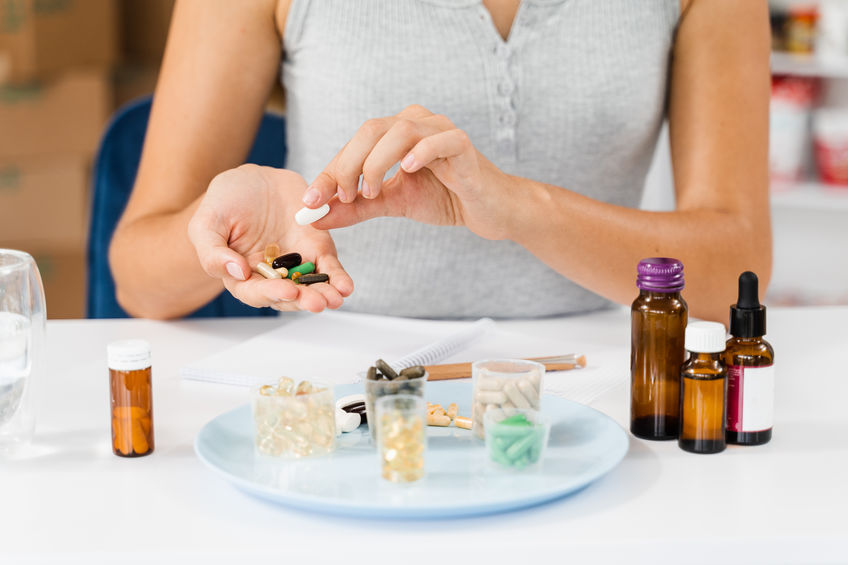
In many cases, the right support is only needed during:
- Certain menstrual cycle phases such as luteal or follicular
- Short “tune-up” periods after a higher toxic load from travel, medication, or stress
- Specific seasons when environmental exposures increase, such as allergy season or wildfire smoke
The best results come from using these tools strategically, paying attention to your body’s feedback, and ideally working with a practitioner who understands your unique genetic blueprint.
Where to Find These Resources
To make it simple, I’ve curated a collection of the supplements mentioned in this article in my Fullscript professional dispensary so you can easily access high-quality, practitioner-grade products. You’ll also find additional trusted brands I use regularly.
Titan Nutrition (20% Off)
Shop Titan Nutrition Here — Use this link for 20% off your order.
Fullscript Dispensary (10% Off)
Shop Fullscript Here — Please read the note in my Fullscript storefront before purchasing. Not all products are meant to be taken together.
Pure Encapsulations (20% Off)
Create a Free Account Here — Use practitioner code 972244 for your discount.
DoYogaWithMe
Explore Classes Here — My favorite resource for adding gentle movement and recovery into your week.
If you’d like personalized guidance in choosing what’s right for you, I’d love to work alongside you and your provider. You can reach me here.
Thank you for spending some of your time with me today, I never take it for granted.
Until next time, be well!
Britt Larson
@coachmusclenugget @limitlesshealthandperformance
About Me
I’m Britt Larson, DFM, a functional medicine practitioner with a PhD in Holistic Medicine. My path to this work has been deeply personal. I have lived with Crohn’s disease and lupus, both now in remission through the principles of functional medicine. I know first-hand what it means to feel limited by your health, and I also know how life-changing it can be to understand and support your body in the way it truly needs.
I began my career as an IFBB Pro women’s bodybuilder and spent years helping hundreds prepare for the stage. While I loved that chapter of my life, my true passion emerged in the world of nutrigenomics and functional wellness. Today, I am a Premier Practitioner for 3X4 Genetics and GENEFIT, I write nutritional education content for the RAW Intensity Training app, serve as an athlete for Titan Nutrition, and collaborate with medical-grade supplement dispensaries to ensure my clients have access to the highest quality support tools.
Genetics changed my life. They gave me the blueprint for how to nourish and care for my body through infertility struggles, ultimately leading to the gift of my healthy baby girl. Now, I use that same science to help others uncover their own “owner’s manual” so they can feel better in the body they live in.
I do not diagnose, treat, or cure disease. My role is to educate and guide clients in understanding their unique nutrigenomic blueprint, often working alongside their healthcare providers to create realistic and sustainable strategies. Using a Food First approach, targeted lifestyle changes, and carefully chosen supplements when appropriate, my goal is to empower you to take the driver’s seat in your own health journey.
This content is for educational purposes only and is not a substitute for professional medical advice, diagnosis, or treatment. Always consult a qualified healthcare provider before making changes based on your genetic results.
References
- Liska DJ, et al. Detoxification and biotransformation. In: Present Knowledge in Nutrition. 10th ed. 2012.
- Zanger UM, Schwab M. Cytochrome P450 enzymes in drug metabolism: regulation of gene expression, enzyme activities, and impact of genetic variation. Pharmacol Ther. 2013;138(1):103–141.
- Hayes JD, et al. Glutathione transferases. Annu Rev Pharmacol Toxicol. 2005;45:51–88.
- Nicholson JK, et al. Gut microorganisms, mammalian metabolism and personalized health care. Nat Rev Microbiol. 2005;3(5):431–438.
- Reiter RJ, et al. Melatonin as an antioxidant: under promises but over delivers. J Pineal Res. 2016;61(3):253–278.
- Sachse C, et al. Functional significance of a C→A polymorphism in intron 1 of the CYP1A2 gene tested with caffeine. Br J Clin Pharmacol. 1999;47(4):445–449.
- Lotta T, et al. Kinetics of human soluble catechol-O-methyltransferase. Biochemistry. 1995;34(13):4202–4210.