Category: Genetics

  • Why Detox Isn’t One-Size-Fits-All (Your Genes Hold the Clues!)

    Why Detox Isn’t One-Size-Fits-All (Your Genes Hold the Clues!)

    By: Britt Larson, PhD | CFNMP | IFBB Pro

    Picture your body as a unique vehicle. Some engines are built for high-speed performance, others are designed for endurance and steady travel. Some have a supercharged turbo in one area but a slower filter in another. No two vehicles are the same, and that includes the “detox system” under your hood.

    Every single day, your body is breaking down and eliminating substances that could cause harm if they build up. This includes not only environmental toxins like pollutants or pesticides, but also naturally occurring substances such as hormones, neurotransmitters, and the byproducts of normal metabolism.

    The way you clear these substances is shaped by your lifestyle and environment, but your genetics also play a powerful role. Certain variations in your DNA, called SNPs (single nucleotide polymorphisms), can influence how quickly or slowly your detox enzymes work.

    To be clear, this is not a sentence of doom, and it’s actually very normal to have gene variations. In fact, understanding these SNPs is like finding your car’s owner’s manual. When you know how your systems are wired, you can make better choices about what fuel to use, when to schedule maintenance, and how to keep your engine running smoothly for the long haul.

    If you are anything like me, you enjoy diving into the science but also appreciate when it is paired with something you can picture in your mind. That is how I have designed this article for you. First, we will cover the more complex science behind detoxification, and then I will share stories and analogies to help you visualize what is happening inside your body. Since most of us retain information better when we can “see” it, my goal is for you to leave this article feeling confident about the concepts and ready to put them into practice in ways that might make sense for your life.


    The Science of the Body’s Natural Detox System (Hint: It’s More Than a Juice Cleanse)

    When most people hear “detox,” they think of trendy cleanses or fasting programs (marketing at its finest, amiright? *eyeroll*). But detoxification is not a once-a-year event. Yes, some people and cultures choose to do seasonal or yearly “cleanses,” but the true detoxification your body is built to perform naturally is happening constantly. It is an intricate, highly coordinated process running 24 hours a day, every day of your life.

    Detoxification is more than drinking a cayenne-lemon water. It is a three-phase biochemical process that works best when each phase is supported. If one phase slows down, the others cannot run at full capacity, and the whole system becomes less efficient. This next part digs into science, but remember, if anything goes over your head, the next section simplifies it. 

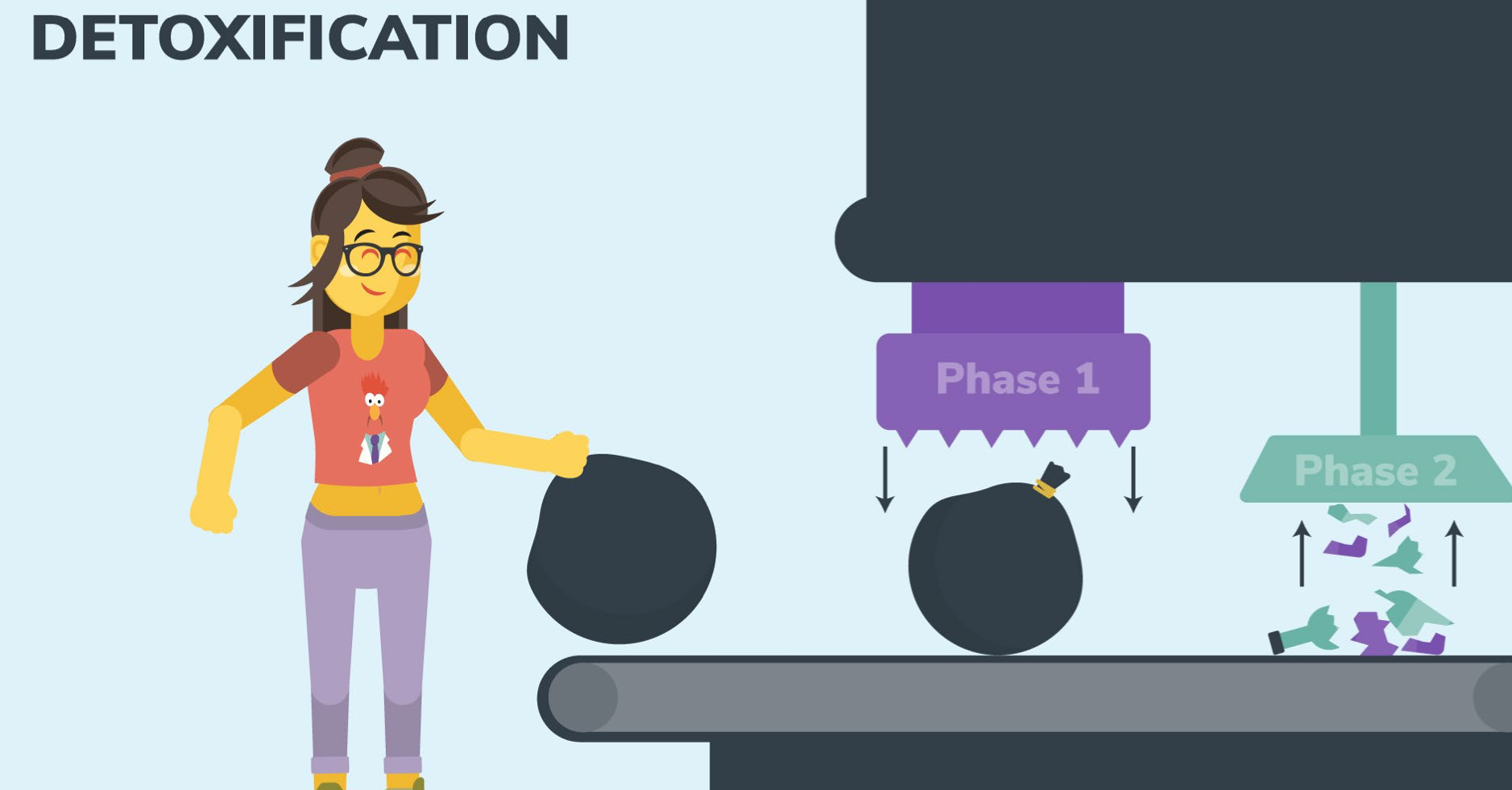
    1. Phase 1: The Disassembly Line
      This is where specialized enzymes, many from the CYP450 family, start breaking down substances. They take larger, often fat-soluble compounds such as caffeine, alcohol, environmental toxins, and hormone metabolites and convert them into smaller, intermediate compounds. The catch is that these intermediates can be more reactive and potentially more harmful than the original. Without a smooth handoff to Phase 2, these compounds can create more oxidative stress in the body.
    2. Phase 2: The Packaging and Shipping Department
      Here, other enzymes chemically modify those reactive intermediates by attaching molecules like sulfate, methyl groups, glucuronic acid, or glutathione. This process, called conjugation, makes the compounds water-soluble so they can be safely transported out of the body. Think of it as sealing and labeling hazardous materials so they can be moved without causing damage.
    3. Phase 3: The Elimination Phase (“The Exit”)
      Once properly packaged, the compounds need to physically leave the body via urine, stool, sweat, or even breath. If elimination is slowed by dehydration, low fiber intake, sluggish digestion, or lack of movement or sweating, these packaged toxins can sit in the body longer than intended and, in some cases, be reabsorbed. Supporting this phase means hydrating well, eating adequate fiber, staying physically active, and creating opportunities to sweat.
    4. The Bonus Layer: Antioxidant Protection
      Throughout all three phases, the body produces free radicals as part of the detox process. Antioxidants act as a protective layer, neutralizing these reactive molecules before they cause cellular damage. Enzymes such as SOD, GPx, and NQO1 work alongside antioxidants from nutrient-rich foods to keep oxidative stress in check. While glutathione has long been known as a “master antioxidant,” research now shows that melatonin may be even more powerful! Protecting not just your sleep-wake cycle but also cellular health around the clock.

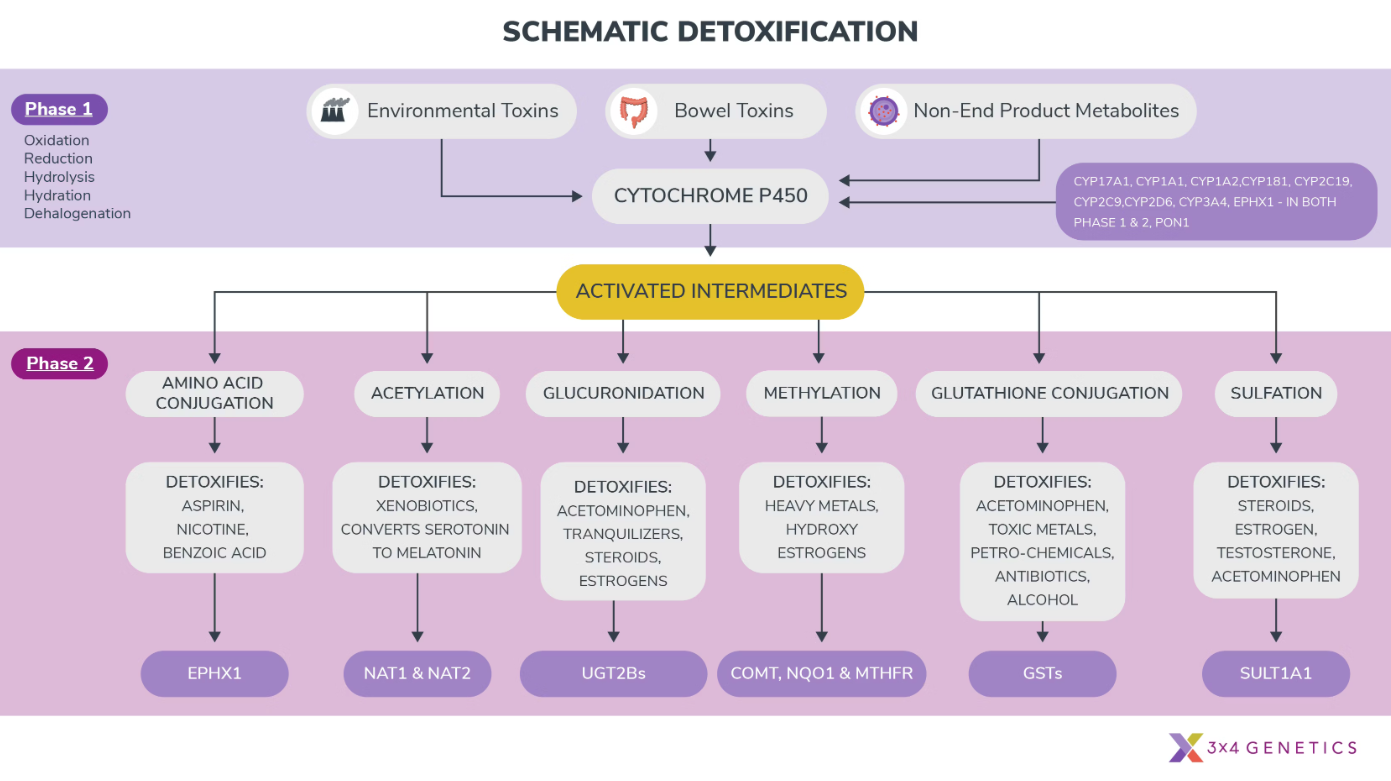
    Detox Pathway Map

    Below is a simple visual to help you see how the first two phases of detox work together (first up is the nerd version followed by the simple version).

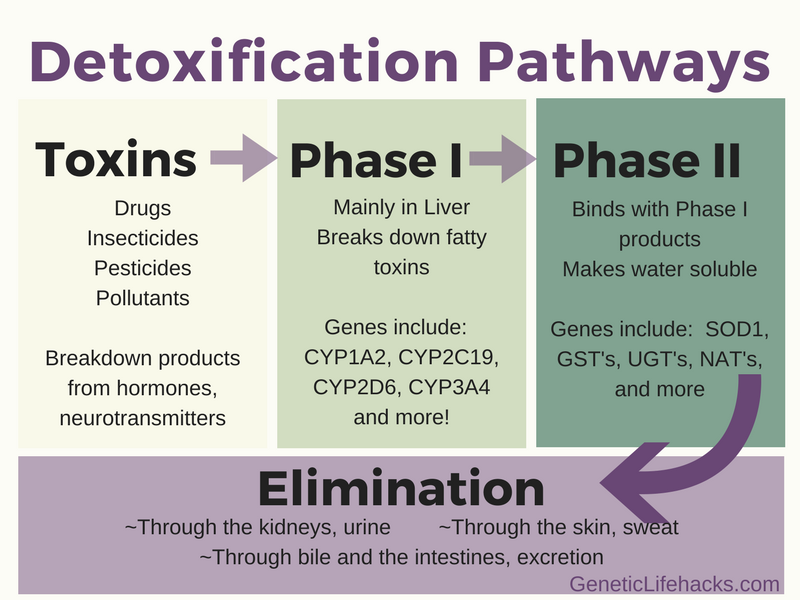
    The Detox Flow, Simplified

    Our DNA contains instructions for building every enzyme in our bodies, including the detox pathways. Certain variations (SNPs) can slightly change the shape, speed, or capacity of these enzymes. This does not mean something is “wrong,” and please don’t let anyone make you feel that way! It simply means your body has a particular style of processing, and when sharing educational insight with clients, I like to give visuals.
    Think of it like a professional kitchen staff for a busy catering business. Orders are constantly coming in, and the goal is to get high-quality, safe food to the right people at the right time.

    In some kitchens, the chopping station works quickly, breaking down ingredients into neat, uniform pieces. This is your Phase 1 “Prep Station”. The area where larger, more complex compounds like caffeine, hormones, or environmental chemicals are cut down into smaller pieces by enzymes such as those in the CYP450 family. Sometimes, these chopped pieces are even more potent or reactive than the original ingredient, so they cannot be served just yet.

    Next comes the Phase 2 “Packaging Station”. Here, skilled workers wrap or prepare each chopped piece with care, using safe materials so it can be handled without harm. Think of it like a chef making sure that your chicken is cooked to a safe temperature and packaged so it won’t leak in transit. This is where your body attaches molecules like methyl groups, sulfate, or glutathione to make the compound water-soluble, easier to transport, and safe to interact with your system. This “packaging” ensures that each item is stable, secure, and ready for delivery without causing damage or “spills” along the way.

    Finally, the packaged items move to Phase 3 “The Delivery Team”. This crew gets the orders out the door to the correct destination, whether that’s a customer’s event, the compost bin, or the recycling center. In your body, this means elimination through urine, stool, sweat, or breath. If the delivery team is short-staffed or the routes are blocked (for example, from dehydration, low fiber intake, or lack of movement), the packaged goods can pile up in the kitchen and, in some cases, leak back into the workspace.

    Just like in a catering business, every station depends on the others. If the prep station works faster than the packaging station, counters get cluttered and mistakes happen. If the packaging station is efficient but the delivery trucks never leave, orders pile up and deadlines are missed. Knowing your body’s “catering kitchen rhythm” means you can support each stage so the entire operation runs smoothly and your system delivers exactly what it is supposed to, exactly when it is supposed to.

    Now that you understand the “big picture” flow of detox, let’s zoom in on some of the individual team members in your kitchen. Each enzyme has a specific role, just like a chef or delivery driver has their own job to keep the catering business running. Some of these enzymes are especially influential, and understanding them can explain why certain foods, drinks, or medications affect you differently than someone else.


    CYP1A2: The Beverage Order Specialist
    In our catering kitchen, CYP1A2 is like the staff member in charge of processing all the drink orders. This station handles caffeine from your morning coffee, your afternoon cold brew, and even the cacao in your dark chocolate, but it also processes certain hormone metabolites like estrogen.

    If drink orders are coming in one after another, the beverage station can get overwhelmed. When that happens, other items waiting for attention, like estrogen metabolites, have to sit in the queue longer than intended. For some people, that delay can lead to estrogen hanging around in the body a bit too long, which may show up as bloating, breast tenderness, mood swings, or heavier periods.

    It is not just caffeine on this “drink station” menu. Certain medications, such as some antidepressants or antibiotics, also require CYP1A2 for processing. If too many items hit this station at once, the body may prioritize certain orders over others, potentially affecting hormone balance or slowing the clearance of medications.


    CYP1B1: The Estrogen Recipe Developer
    CYP1B1 is like the sous chef who specializes in preparing a signature dish: estrogen. In Phase 1, this station transforms raw estrogen into different “recipe versions” called metabolites. Some of these recipes are mild and easy for the rest of the kitchen to handle, while others are spicier and more reactive, requiring extra care from the packaging and delivery teams.

    If the sous chef is cranking out more of the spicier recipes than the kitchen can handle, the packaging and antioxidant teams have to work overtime to keep things safe and stable. If those follow-up stations are overworked or under-resourced, this extra heat can spill over into how you feel, sometimes showing up as PMS symptoms, mood swings, or even joint discomfort.

    Knowing how active your CYP1B1 enzyme is can help you decide how much support to give your “recipe developer,” often through antioxidant-rich foods and compounds that guide estrogen down a gentler path.


    COMT: The Order Expeditor and Final Checker
    COMT works at the very end of the kitchen line, acting as the expeditor who decides which plates leave first. This station manages two busy order lines: one for stress hormones like dopamine, norepinephrine, and epinephrine, and another for estrogen metabolites that are ready to be cleared.

    If the stress hormone orders are stacking up and marked “urgent,” the expeditor might focus there first, leaving estrogen orders to sit under the heat lamps. On the other hand, if there is a big estrogen backlog, stress hormones may linger longer than they should. If COMT works slowly, both lines can stall, leading to longer wait times that you might notice as prolonged stress, anxious tension, or hormone-related mood changes.

    Giving your COMT expeditor the right tools, like magnesium, B vitamins, and stress-lowering practices, helps both lines move smoothly so nothing sits too long before leaving the kitchen.


    Food First Approach Detox Toolkit (with Supplement Guardrails)

    When you know your body’s tendencies, you can start small and often feel a difference faster than you’d expect. Below are common “kitchen traffic” patterns you might notice and how to support them naturally, starting right in your own kitchen. If supplements are more your style, you will also find trusted, professional-grade options to help. Remember that supplements are not one size fits all. Low and slow is often best, and timing your support around certain phases of your cycle or periods of higher demand can go a long way.


    If coffee leaves you wired, interrupts your sleep, or PMS worsens after a high-caffeine week

    Your CYP1A2 beverage station may be overloaded. This is the crew that processes caffeine orders alongside estrogen orders. When caffeine keeps pouring in, estrogen orders may sit longer before being cleared, which can contribute to hormonal symptoms.

    Food First: Swap your afternoon coffee for rooibos or chamomile tea. Add 1–2 cups of cruciferous vegetables daily, cooked or raw, such as broccoli, Brussels sprouts, kale, or cauliflower to help your packaging station clear estrogen efficiently.

    Supplement Option: DIM (like Pure Encapsulations DIM Detox) at 100–150 mg daily can support estrogen metabolism. Use only during the luteal or follicular phase if symptoms are cycle related. Avoid continuous year-round use unless monitored by a practitioner.


    If you have bloating, breast tenderness, mood swings, or heavy periods

    Your CYP1B1 estrogen recipe developer may be creating more “spicy” estrogen metabolites than your packaging station can easily handle.

    Food First: Eat broccoli sprouts, cooked or raw, about ½ cup several times a week. Sprinkle fresh rosemary into meals, and add citrus peel zest to salads or tea.

    Supplement Option: Sulforaphane (like Thorne Crucera-SGS) can guide estrogen down a gentler path. The sweet spot is usually 20–50 mg daily for 1–3 months or during targeted cycle phases. Avoid over-supplementing, which can overload Phase 2 clearance.


    If stress lingers or hormonal symptoms flare during high-stress weeks

    Your COMT expeditor may be clearing both stress hormones and estrogen more slowly.

    Food First: Snack on pumpkin seeds, add leafy greens to two meals daily, and enjoy berries most days. These foods provide magnesium and B vitamins, which help COMT work efficiently.

    Supplement Option: Magnesium glycinate (like Douglas Labs Magnesium Glycinate) is highly absorbable and calming. Typical dose is 200–400 mg daily. Avoid magnesium citrate here, as it increases bowel motility and is better suited for occasional constipation relief. For cycle related sluggishness, emphasize magnesium in the luteal phase.


    If brain fog, fatigue, or headaches follow chemical exposure

    Your antioxidant and packaging stations may need more reinforcement. While glutathione is important, emerging research shows melatonin may be the body’s most potent antioxidant.

    Food First: Get morning sunlight to regulate melatonin. Eat sulfur-rich foods like garlic, onions, eggs, asparagus, and plenty of colorful produce daily.

    Supplement Option: NAC (like Titan Nutrition NAC or Thorne NAC) at 600–900 mg can be used for 1–3 months or during times of higher toxic exposure. For melatonin, phytomelatonin (like Symphony Natural Health HerbatoninPRO) is more bioavailable than your run-of-the-mill synthetic melatonin. Take it earlier in the evening 2–3 hours before bed if you have slower clearance to avoid morning grogginess.


    If you are sensitive to many medications or have strong side effects

    Certain CYP450 kitchen stations may process medications more slowly, meaning substances linger longer in your system.

    Food First: Support your liver daily with antioxidant-rich produce such as berries, leafy greens, and beets, adequate hydration, and a diet low in alcohol, smoking, and heavily processed foods.

    Supplement Option: Milk thistle (like Douglas Labs Milk Thistle Max-V) can be used in short cycles of 4–8 weeks to gently support liver function. It is especially helpful during medication changes, seasonal allergy flare-ups, or after high toxin exposure. Always consult your healthcare provider before use, especially if you take prescription medications.


    Detox Supplementation Should Not Be a Life Sentence

    Supplements are tools, not permanent fixtures. Just like a catering kitchen doesn’t keep extra temporary staff on the clock after a big event, most detox-related supplements are best used for specific times and purposes rather than indefinitely.

    In many cases, the right support is only needed during:

    • Certain menstrual cycle phases such as luteal or follicular
    • Short “tune-up” periods after a higher toxic load from travel, medication, or stress
    • Specific seasons when environmental exposures increase, such as allergy season or wildfire smoke

    The best results come from using these tools strategically, paying attention to your body’s feedback, and ideally working with a practitioner who understands your unique genetic blueprint.


    Where to Find These Resources

    To make it simple, I’ve curated a collection of the supplements mentioned in this article in my Fullscript professional dispensary so you can easily access high-quality, practitioner-grade products. You’ll also find additional trusted brands I use regularly.

    Titan Nutrition (20% Off)
    Shop Titan Nutrition Here — Use this link for 20% off your order.

    Fullscript Dispensary (10% Off)
    Shop Fullscript Here — Please read the note in my Fullscript storefront before purchasing. Not all products are meant to be taken together.

    Pure Encapsulations (20% Off)
    Create a Free Account Here — Use practitioner code 972244 for your discount.

    DoYogaWithMe
    Explore Classes Here — My favorite resource for adding gentle movement and recovery into your week.

    If you’d like personalized guidance in choosing what’s right for you, I’d love to work alongside you and your provider. You can reach me here. 


    Thank you for spending some of your time with me today, I never take it for granted.

    Until next time, be well!

    Britt Larson
    @coachmusclenugget @limitlesshealthandperformance

    www.limitlessphysiques.com


    About Me

    I’m Britt Larson, DFM, a functional medicine practitioner with a PhD in Holistic Medicine. My path to this work has been deeply personal. I have lived with Crohn’s disease and lupus, both now in remission through the principles of functional medicine. I know first-hand what it means to feel limited by your health, and I also know how life-changing it can be to understand and support your body in the way it truly needs.

    I began my career as an IFBB Pro women’s bodybuilder and spent years helping hundreds prepare for the stage. While I loved that chapter of my life, my true passion emerged in the world of nutrigenomics and functional wellness. Today, I am a Premier Practitioner for 3X4 Genetics and GENEFIT, I write nutritional education content for the RAW Intensity Training app, serve as an athlete for Titan Nutrition, and collaborate with medical-grade supplement dispensaries to ensure my clients have access to the highest quality support tools.

    Genetics changed my life. They gave me the blueprint for how to nourish and care for my body through infertility struggles, ultimately leading to the gift of my healthy baby girl. Now, I use that same science to help others uncover their own “owner’s manual” so they can feel better in the body they live in.

    I do not diagnose, treat, or cure disease. My role is to educate and guide clients in understanding their unique nutrigenomic blueprint, often working alongside their healthcare providers to create realistic and sustainable strategies. Using a Food First approach, targeted lifestyle changes, and carefully chosen supplements when appropriate, my goal is to empower you to take the driver’s seat in your own health journey.


    This content is for educational purposes only and is not a substitute for professional medical advice, diagnosis, or treatment. Always consult a qualified healthcare provider before making changes based on your genetic results.


    References

    • Liska DJ, et al. Detoxification and biotransformation. In: Present Knowledge in Nutrition. 10th ed. 2012.
    • Zanger UM, Schwab M. Cytochrome P450 enzymes in drug metabolism: regulation of gene expression, enzyme activities, and impact of genetic variation. Pharmacol Ther. 2013;138(1):103–141.
    • Hayes JD, et al. Glutathione transferases. Annu Rev Pharmacol Toxicol. 2005;45:51–88.
    • Nicholson JK, et al. Gut microorganisms, mammalian metabolism and personalized health care. Nat Rev Microbiol. 2005;3(5):431–438.
    • Reiter RJ, et al. Melatonin as an antioxidant: under promises but over delivers. J Pineal Res. 2016;61(3):253–278.
    • Sachse C, et al. Functional significance of a C→A polymorphism in intron 1 of the CYP1A2 gene tested with caffeine. Br J Clin Pharmacol. 1999;47(4):445–449.
    • Lotta T, et al. Kinetics of human soluble catechol-O-methyltransferase. Biochemistry. 1995;34(13):4202–4210.

  • The Hidden Toxins You’re Probably Missing (and How to Take Your Power Back)

    The Hidden Toxins You’re Probably Missing (and How to Take Your Power Back)

    A Deep Dive into Environmental Toxins, Root Cause Health, and the Real Work of Healing, by Britt Larson, CFNMP & IFBB Pro, May 2025


    Intro: Why You Feel the Way You Do (And Why It’s Not Just Stress)

    If you’re tired, inflamed, overwhelmed, or just feel off, you’re not alone! And it’s not just in your head. You’re not “getting older.” I mean, we are, and that is a blessing in itself – but we tend to blame most things on age. You’re not lazy even though you might feel that way, you’re also not broken, even if you feel broken down..
    You’re likely carrying a toxic load that your body was never built to handle.

    Now, I know “toxins” and “detox” are overused buzzwords. Trust me, I get it. And before you come for me, hear me out.

    We live in a world that has rapidly changed in the last hundred years, yet our biology hasn’t caught up. We’re surrounded by invisible threats of chemicals, plastics, pollutants, hormone disruptors, and stressors that didn’t exist a generation ago.
    Our bodies are resilient and incredible, but they’re not invincible. If you’re someone dealing with fatigue, hormonal chaos, digestive issues, autoimmunity, brain fog, or unexplained symptoms? This article is for you.

    This isn’t about creating fear. Far from, actually, and fear-mongering absolutely grinds my gears! No, this is about clarity, connection, and giving yourself the opportunity to make educated choices. So let’s get into what’s really happening beneath the surface and what you can do to take your power back.


    Part 1: You’re Not Broken or Crazy! You’re Overloaded

    Your body has built-in detox systems that run 24/7. Yes, our bodies have the ability to clear itself out via your liver, kidneys, lymph, skin, lungs, and gut, and these systems are constantly filtering out what doesn’t belong. The problem isn’t that your body can’t detox. The problem is that it’s overwhelmed by the sheer volume of toxins it’s being exposed to daily.

    This includes:

    • Pesticides, herbicides, and preservatives in food
    • Plastics, flame retardants, and VOCs in your home
    • Hormone disruptors in skincare, cleaning products, and yes, water
    • Chronic stress and nervous system dysregulation
    • EMFs, mold, synthetic fragrances, and more

    While, YES, we have the ability to detox with our organs, over time though, this burden accumulates. It gets stored in fat tissue, brain tissue, breast tissue—even bones. That buildup is called bioaccumulation, and it doesn’t always show up in labs. It shows up in symptoms:

    • Exhaustion no matter how much you sleep
    • Brain fog or forgetfulness
    • PMS, fibroids, fibrous breast tissue, endometriosis
    • Infertility or irregular cycles
    • Skin issues like acne or eczema
    • Autoimmune flares
    • Thyroid dysfunction with “normal” labs

    Sound familiar? Let’s dig into what’s behind it.


    Part 2: Where the Toxins Are Coming From (And What They’re Doing to You)

    Bromide: The Thyroid Saboteur

    Bromide is a halogen used in flame retardants, baked goods, and some pool chemicals. The problem? It competes with iodine! Iodine is an essential mineral for your thyroid, ovaries, and breast tissue. When bromide displaces iodine, it disrupts hormone production and mitochondrial function. This leads to deep fatigue, estrogen dominance, and thyroid dysfunction, even if your labs say you’re “fine.”

    Where it’s hiding:

    • Flame-retardant mattresses, furniture, and car seats
    • Potassium bromate in non-organic breads and bagels
    • BVO (brominated vegetable oil) in citrus sodas
    • Some pesticides and pool chemicals (if you’ve experienced bromide poisoning after a day in the pool, you know exactly what I’m talking about!)

    What it can cause:

    • Cold hands and feet
    • Fatigue that doesn’t respond to rest
    • Brain fog or light sensitivity
    • Breast tenderness or cysts
    • Thyroid symptoms with “normal” TSH
    • Skin breakouts or rashes

    What can you do about it?

    • Avoid citrus sodas and conventional baked goods (check labels!)
    • Choose a mattress without flame retardants (Avocado, Naturepedic, Birch)
    • Support iodine levels with seaweed (like dulse and kelp) if tolerated, and if you have a “hot nodule” on your thyroid or in your ovary, you should seek out an educated professional before adding in iodine
    • Work with a practitioner to assess iodine/selenium balance
    • Use binders like activated charcoal or fulvic acid as needed

    Fragrance & Plastics: The Estrogen Hijackers

    Synthetic fragrances and plastics are full of chemicals like phthalates, parabens, and BPA. Now, everything has “chemicals”, but what I mean here specifically are the compounds that mimic estrogen in the body but don’t act like it. These xenoestrogens bind to hormone receptors and throw off your body’s rhythm, metabolism, and detox capacity. Over time, especially in the presence of low iodine and selenium, they promote estrogen dominance and increase the risk of hormone-driven cancers.

    Where they’re hiding:

    • Perfume, scented lotions, air fresheners
    • Dryer sheets and conventional laundry detergent
    • Receipts (thermal paper), plastic containers and wrap
    • Personal care products with “fragrance” on the label

    What they can cause:

    • Painful, heavy, or irregular periods
    • Mood swings, bloating, or PMS
    • Weight gain in the lower belly, hips, and thighs
    • Breast tenderness, dense tissues, or fibroids
    • Fertility issues or PCOS
    • Sleep issues and blood sugar swings

    What can you do about it?

    • Ditch all synthetic fragrances! Yes, all of them, even the Love Spell spritz that was our go-to growing up (lol)
    • Switch to clean brands for skincare, makeup, and deodorant (EWG Skin Deep is your friend, use it!)
    • Store food in glass or stainless steel and never microwave plastic
    • Avoid receipts or wash your hands immediately after handling
    • Support estrogen detox with COOKED cruciferous vegetables, fiber, DIM or calcium-d-glucarate

    Glyphosate & Pesticides: The Gut Wreck Crew

    Glyphosate (Roundup) is an herbicide sprayed on conventional crops. You know the joke that we are basically plants? Yeah, because we kind of are. And what can damage the plants also has effects on US by damaging the gut lining, altering our microbiome, and blocking the enzymes we need for our natural ability to detox. It also binds minerals like magnesium and zinc – making you nutrient-deficient even with a good diet. This chemical has been linked to autoimmunity, hormone imbalances, and neurological issues.

    Where it’s hiding:

    • Non-organic wheat, oats, corn, and soy
    • Strawberries, spinach, apples, and bell peppers (Dirty Dozen list)
    • Wine, coffee, and tea (conventionally grown)

    What it can cause:

    • Bloating, IBS, and food sensitivities
    • Brain fog and/or mood swings
    • Skin flare-ups or eczema
    • Histamine intolerance
    • Fatigue and joint pain
    • Anxiety and inflammation that won’t budge

    What can you do about it?

    • Prioritize organic versions of the Dirty Dozen (look up the Dirty Dozen and Clean Fifteen foods)
    • Use baking soda & vinegar washes on conventional produce
    • Drink organic coffee and wine (yes, it makes a difference)
    • Repair gut lining with bone broth, glutamine, and probiotics
    • Use binders, antioxidants, and fiber to mop up residuals

    Part 3: What Real Detox Looks Like (Hint: It’s Not a Damn Juice Cleanse)

    When I mention “detox”, what I am NOT referring to is guzzling cayenne-lemon-vinegar water for 5789579 days. Absolutely not. Not ever. What I am referring to with “detox” is by giving your body the support (ie nutrition and co-factors) it needs to do what it’s already trying to do – flush out what doesn’t belong with it’s own natural abilities.

    Step One: Open the Drainage

    If your colon, liver, kidneys, and lymph system are backed up and gunky, toxins can’t leave. They recirculate, causing more inflammation. That’s why there is more to “detox” than some freaking juice fad.

    Signs your drainage is clogged:
    • Constipation
    • Puffy face or ankles
    • Breakouts or rashes
    • Waking up at 3 AM
    • Brain fog after supplements or sauna
    How can you support it?
    • Hydrate with filtered, mineral-rich water
    • Poop daily – use magnesium citrate or triphala if needed
    • Use castor oil packs on your liver 3–4x/week
    • Sweat regularly (sauna, hot baths, exercise)
    • Dry brush to move your lymph

    Step Two: Calm Your Nervous System

    You can’t detox in fight-or-flight. Chronic stress constricts bile flow, slows digestion, and blocks your body’s healing response.

    Signs you’re stuck in sympathetic mode:
    • Shallow breathing, jaw clenching, raised shoulders
    • Wired at night, exhausted in the morning
    • Digestive issues even with “clean” eating
    • EMF sensitivity or overwhelm in busy environments
    How can you support it?
    • Get outside within 30 minutes of waking (get natural sunlight in those peepers!)
    • Walk barefoot on grass or dirt (grounding reduces inflammation)
    • Practice 4-7-8 breathing or cold contrast showers
    • Take adaptogens like ashwagandha or lemon balm
    • Turn off WiFi and sleep in a dark, quiet room

    Step Three: Feed Your Liver and Gut

    Those co-factors I mentioned above? Your liver needs those raw materials to detox: amino acids, sulfur, antioxidants, and fiber. That juice cleanse isn’t going to replace this.

    Signs you’re missing detox nutrients:
    • Histamine reactions or allergies
    • Worsening symptoms with new supplements
    • Skin flares or hormone issues despite clean eating
    • Constipation, irritability, or sleep disturbances
    What to incorporate:
    • Cruciferous veggies (broccoli, cauliflower, kale) *these should be COOKED for thyroid health
    • Sulfur-rich foods (garlic, onions, eggs)
    • Healthy fats (olive oil, avocado) for bile flow
    • Glutathione, NAC, or milk thistle as needed
    • Fermented foods (sauerkraut, coconut yogurt) and quality probiotics (not some cheap Amazon buy, please don’t.. the health space is a giant target for scammers and dupes)

    Part 4: How to Live Well in a Toxic World

    That sounds pretty dramatic, on purpose. And while we can’t avoid every toxin, we don’t need to. The power lies in reducing exposures that matter most and supporting our body’s capacity to handle the rest. Do what you can with what you have.

    Start here:
    • Swap Teflon for cast iron or stainless steel
    • Replace plastic containers with glass
    • Get a water filter that removes chlorine, fluoride, and heavy metals (RO systems are the best for this, and check your local water source for lists of contaminants)
    • Use clean, fragrance-free products on your skin and in your home
    • Choose organic for the Dirty Dozen, buy the Clean Fifteen, and soak the rest
    • Take breaks from tech, unplug WiFi at night, touch the grass (literally), and move your body often

    You Don’t Have to Agree with Me, But Let’s Be Better Than the Noise

    Let me be clear: You are free to your opinion, which is a beautiful thing.

    For me? I’m tired of the fearmongering.
    I’m tired of the name-calling, the labeling, and the polarization, especially in health conversations.

    There’s a growing habit in both mainstream and alternative health circles to discredit anyone who doesn’t agree with you:

    • If you question pharmaceutical practices, you’re labeled a quack or anti-science.
    • If you work in conventional medicine, you’re accused of being paid off by Big Pharma.
    • If you care about root cause healing, you’re fear-based or too crunchy.
    • If you choose evidence-based medication, you’re blind to the truth.

    Enough.

    We don’t get anywhere by shouting from extremes. You might get more clicks and views, though. I don’t live in either camp. I live in the middle – where logic, lived experience, evidence, and curiosity coexist. That’s the space I choose to stay in. Those that are screaming from the extremes aren’t terribly credible in my eyes. It feels disingenuous.

    You’re allowed to disagree with me. You don’t have to adopt every belief or practice I share. But what we can’t afford is to let fear, ego, or dogma stop us from seeing what’s actually happening in our bodies, our environment, and our world.

    We need more honest conversations, less tribalism.
    More critical thinking, less canceling.
    More solutions, less drama and bullshit clickbait.

    So no. This article isn’t about judgment. It’s about awareness.
    And what you choose to do with that awareness is absolutely up to you.


    Ready to Take Your Power Back?

    You don’t have to do everything. You just have to do something, and do it with intention.

    • Clean up your most frequent exposures
    • Open your body’s drainage systems
    • Support your nervous system
    • Eat in a way that nourishes detox, not restricts it, and put down that freaking cayenne water
    • Make decisions from a place of clarity, not fear

    If you want help creating a plan that actually fits your life? I’m here for it.

    Healing doesn’t happen from hacks and noise.
    It happens when you understand your body, protect your environment, and stop waiting for permission to do what you know you need to do.

    When we know and become aware, we can do better. For ourselves, our loved ones, and the environment we all collectively live in.


    For personalized coaching and more insights on optimizing your health and wellness, feel free to reach out:

    Thank you for spending some of your time with me today! If this brought value and insight to you, you can show support by liking and sharing this with your friends. 

    Resource Links:

    Until next time, Be Well!

    Britt Larson | IFBB PRO, CFNMP

    @coachmusclenugget @LimitlessHealthandPerformance

    Disclaimer: This article is for educational purposes only and is not intended to diagnose, treat, or cure any medical condition. Always consult with your health team with questions about lifestyle changes.

  • Unwinding the Lie: Why Alcohol Isn’t the Relaxation You Think It Is

    Unwinding the Lie: Why Alcohol Isn’t the Relaxation You Think It Is

    This won’t be a popular opinion – but it’s a necessary one to shed light on.

    Britt Larson, Functional Practitioner, January 20, 2025

    Uncorking the Truth About Alcohol and Your Body

    They say a glass of wine a day keeps the doctor away – but what if it’s bringing you closer to them instead?

    For years, alcohol has been marketed as the perfect companion for relaxation, fun, and even heart health. A glass of wine to unwind? Sure! You’ve had a long day and it feels soothing in the moment, right? But here’s the kicker: that calm is short-lived, and the damage can last far longer.

    From disrupting your sleep and hormones to irritating your gut lining, alcohol might be why you wake up groggy, bloated, or more anxious. Let’s break down the myths, dig into the science, share relatable moments, and explore healthier alternatives that truly support your body and mind.

    Don’t care much about the details? Skip to the end for healthy habit swaps that you can apply tonight when you’re feeling like reaching for that glass.


    The Science of Alcohol’s Impact on the Body

    Liver Damage and Toxic Byproducts

    When you consume alcohol, your liver processes it into acetaldehyde, a toxic compound. Acetaldehyde is 10-30 times more toxic than alcohol itself and can’t linger in your system for long without causing harm. Your liver uses enzymes like alcohol dehydrogenase (ADH) and aldehyde dehydrogenase (ALDH) to break it down into less harmful substances.

    The problem? Your liver has a processing limit and acetaldehyde accumulates, damaging liver cells and triggering inflammation.

    That flushed, overheated feeling after a couple of drinks? That’s acetaldehyde buildup! And your body struggles to clear it out.

    Why It Matters:

    Over time, chronic alcohol use overwhelms the liver, leading to conditions like fatty liver disease and cirrhosis. This toxic overload also promotes systemic inflammation, contributing to fatigue, brain fog, and even skin conditions like rosacea.. Not to mention spilling over into your other bodily systems!


    Hormonal Disruption

    Alcohol disrupts key hormones, affecting cortisol, melatonin, and reproductive hormones:

    • Cortisol (The Stress Hormone): Alcohol initially lowers cortisol, which feels relaxing. But this effect is short-lived, as your body compensates with a cortisol spike once alcohol is metabolized. Chronic alcohol use can lead to elevated baseline cortisol levels, leaving you in a constant state of stress.
    • Melatonin (The Sleep Hormone): Alcohol interferes with melatonin production by suppressing the activity of the pineal gland. This effect is significant enough to alter your circadian rhythm, leading to poor-quality sleep even if you fall asleep faster.
    • Reproductive Hormones: Alcohol raises estrogen and lowers testosterone. This imbalance contributes to mood swings, fatigue, muscle loss, and weight gain in both men and women.

    Ever notice how your heart races in the middle of the night after a few drinks? That’s your cortisol spiking, leaving you wide awake at 3 a.m. Add suppressed melatonin, and you’re in for a restless night!

    Why It Matters:

    This hormonal disruption creates a ripple effect:

    • Mood Swings: Cortisol and hormonal imbalances leave you feeling more anxious or irritable.
    • Energy Crashes: Poor sleep and cortisol-driven sugar cravings drain your energy.
    • Weight Changes: Elevated estrogen promotes fat storage, especially in the abdomen.

    Gut Lining and Inflammation

    Alcohol damages the gut lining, contributing to intestinal permeability (leaky gut – yeah, despite influencers using leaky gut to shill expensive and under-dosed greens powders, it’s a real thing!). It kills off beneficial bacteria while allowing harmful bacteria to thrive, creating gut dysbiosis. Over time, this imbalance promotes systemic inflammation and even autoimmune disorders. There’s so much truth in the phrase, “It starts with your gut.”

    That bloated, sluggish feeling after a night of drinking? It’s not just dehydration – it’s your gut lining responding to alcohol-induced irritation and inflammation.

    Why It Matters:

    A compromised gut impacts everything from digestion to mood and immunity. Symptoms of gut disruption include:

    • Bloating and irregular bowel movements.
    • Brain fog and fatigue due to increased endotoxin absorption.
    • Skin issues like eczema or acne, as inflammation manifests externally.

    Sleep Deprivation Disguised as Drowsiness

    While alcohol can make you drowsy, it inhibits deep sleep and REM cycles by suppressing GABA and melatonin. REM sleep is essential for emotional processing and memory consolidation, while deep sleep allows your body to repair and detoxify.

    Ever wake up exhausted despite sleeping for 8 hours after drinking? That’s because alcohol robbed you of REM sleep, leaving you unrested.

    Why It Matters:

    Chronic sleep disruption impairs cognitive function, emotional resilience, and overall health. Without sufficient deep sleep, your body struggles to recover from stress, leading to mood swings, slower metabolism, and heightened inflammation.


    Why Alcohol Feels Calming (But Isn’t)

    Alcohol works by enhancing the activity of GABA, your brain’s primary calming neurotransmitter. GABA is great! Think of it as your brain’s natural brake system – it slows down overactive neurons, reducing feelings of stress and anxiety. Alcohol gives GABA a temporary boost, which is why the first sip can feel like a wave of relief washing over you.

    But here’s the catch: your brain quickly compensates for alcohol’s effects by increasing excitatory chemicals like glutamate, which have the opposite effect. This creates a rebound effect, leading to heightened anxiety, irritability, or even insomnia a few hours later.

    That “wine o’clock” feeling of calm after a long day? It’s a chemical illusion. Hours later, you might feel restless, experience racing thoughts, or have a nagging sense of unease as your brain’s chemistry readjusts.

    Why It Matters:

    The short-lived relaxation comes with a long-term cost:

    • Increased Anxiety: Alcohol lowers your natural GABA production over time, making it harder to calm down without external help.
    • Sleep Disruption: The rebound effect often triggers cortisol spikes and restless sleep.
    • Dependency Risk: The more you rely on alcohol to calm your nerves, the more your brain associates relaxation with drinking, creating a habit loop.

    The Myth of Red Wine’s Health Benefits

    Red wine’s reputation as a health elixir hinges on resveratrol, an antioxidant found in grape skins. While it’s true that resveratrol has potential heart-protective benefits, the dose in a single glass of wine is minuscule compared to the amount used in scientific studies.

    For example, the average glass of red wine contains 1-2 mg of resveratrol, but studies demonstrating its benefits use doses of 150-500 mg. Meanwhile, the alcohol in wine contributes to inflammation, oxidative stress, and hormone disruption.

    You’ve probably heard someone say, “A glass of wine is good for your heart.” In reality, the amount of wine you’d need to consume for resveratrol benefits would cause far more harm than good.

    Why It Matters:

    • Inflammation: Alcohol increases inflammatory markers, negating any antioxidant benefits.
    • Misleading Health Claims: Focusing on wine for resveratrol distracts from better sources, like blueberries, dark chocolate, or supplements.
    • Systemic Damage: Even small amounts of alcohol can increase the risk of cardiovascular disease, liver damage, and hormonal imbalance.

    Genetic Factors and Alcohol

    Your genetic makeup (I’m a little obsessed with genetics, but let’s continue) plays a significant role in how your body processes alcohol. Two key genetic variants are:

    • ALDH2 Deficiency: Found in some East Asian populations, this variant slows the breakdown of acetaldehyde, the toxic byproduct of alcohol. People with this deficiency experience flushing, nausea, and severe hangovers even after small amounts of alcohol.
    • ADH1B Variant: This variant speeds up the conversion of alcohol into acetaldehyde, leading to faster intoxication and a higher toxic load on the body.

    Additionally, genetic predispositions to conditions like anxiety or addiction can make alcohol more harmful for some individuals. For example, those with heightened cortisol reactivity may find alcohol exacerbates their stress over time.

    If you’ve ever wondered why some people can drink more without hangovers while others feel terrible after one drink, it’s likely genetic. Those with an ALDH2 deficiency are at higher risk of long-term damage from alcohol.

    Why It Matters:

    Understanding your genetics can empower you to make informed decisions. For some, even moderate alcohol use can lead to:

    • Increased Cancer Risk: Acetaldehyde is a known carcinogen.
    • Heightened Hangovers: Faster alcohol metabolism creates a higher toxic load.
    • Greater Stress Sensitivity: For those prone to anxiety, alcohol worsens stress responses over time.

    Action Steps: Rewriting Your Nightly Ritual

    Alcohol might feel like a quick fix, and don’t get me wrong – I’m not here to be a fun sucker – but its long-term effects on your hormones, gut, sleep, and overall health are far from relaxing. The good news? You have the power to create rituals that truly nourish your mind and body.

    When the urge to pour a drink hits, try these instead to create lasting relaxation and improve your health:

    Evening Rituals for Calm

    1. Tea Time: Brew calming herbal teas like chamomile, valerian root, or passionflower to naturally boost relaxation. One of my FAVORITES is Tulsi Rose Tea.
    2. Breathwork: Practice the 4-7-8 technique: inhale for 4 seconds, hold for 7 seconds, exhale for 8 seconds. This activates your parasympathetic nervous system. Additionally, you can place a finger in each ear and lightly press down, the pressure helps relax the vagus nerve.
    3. Warm Shower or Bath: Add Epsom salts for a dose of muscle-relaxing magnesium and create a spa-like experience.

    Stress Relief and Emotional Support

    1. Weighted Blanket: Simulates the calming effects of a hug, lowering cortisol and easing anxiety.
    2. Connection Time: Call or text a loved one to share your thoughts or enjoy a lighthearted chat.
    3. Journaling: Write down three things you’re grateful for or list any worries with actionable steps.

    Healthier Alternatives for “Wine O’Clock”

    1. Mocktails with a Twist: Opt for adaptogenic or magnesium-based drinks to wind down naturally (recipes below).
    2. Creative Outlets: Engage in activities like painting, knitting, or gardening to shift your focus and energy.
    3. Post-Dinner Walk: A 10-15 minute stroll aids digestion, lowers stress, and clears your mind. It doesn’t even have to be around dinnertime, just get out and walk. You feel like sipping? Get out for some stepping! 🙂

    Simple Movement to Shift Your State

    1. Gentle Stretching or Yoga: Loosen tension with calming poses like child’s pose or seated forward folds. A good resource for free Yoga is DoYogaWithMe.com – hundreds of free QUALITY videos, and a paid subscription is less than $14 a month (that’s less than a gym membership!). *Not sponsored or affiliated, I’ve just loved the website and have used it for the last 5-6 years.
    2. Guided Meditation: Use apps like Calm or Insight Timer to guide you through relaxation techniques. Youtube has quite the offerings to find the vibe you feel good with. Marisa Peer puts out some great meditations, too!

    Mocktail Recipes for Relaxation

    1. Magnesium Calm Cooler

    • 8 oz sparkling water
    • 1-2 tsp magnesium powder (I love Natural Calm in the Raspberry Lemon flavor!)
    • 1 tbsp fresh lime juice
    • Optional: 1-2 drops lavender extract

    2. Adaptogen Bliss Blend

    • 8 oz almond or oat milk (warm if preferred)
    • 1 tsp ashwagandha powder
    • 1/2 tsp cinnamon
    • 1 tsp honey

    3. Golden Moon Tonic

    • 8 oz unsweetened coconut milk
    • 1/2 tsp turmeric
    • 1/4 tsp ginger powder
    • 1 tsp honey
    • 1/2 tsp reishi mushroom powder (Check the label – Fruiting Body is what you want, and NO proprietary blends! Make sure the company is transparent here.)

    4. Tart Cherry Spritz

    • 8 oz sparkling water
    • 2 oz tart cherry juice
    • 1 slice of fresh orange
    • Optional: Add a sprig of rosemary for a fragrant twist

    Next time you’re tempted to pour a drink, try a magnesium mocktail, a soothing tea, or even a few minutes of breathwork instead. By swapping harmful habits for restorative ones, you’ll wake up feeling refreshed, clear-headed, and ready to take on your goals.

    Your evenings deserve better than a quick fix. Choose nourishment, choose calm, and most importantly, choose you! 🙂

    Your health deserves better than a quick fix. Start prioritizing true relaxation and nourishment in your evenings. Try one of the healthy habit swaps or mocktail recipes today, and experience the difference for yourself.


    Need Help With A Plan of Action?

    Do you need personalized guidance to create a lifestyle that supports your health and fitness goals? Let’s work together! Whether it’s managing stress, optimizing your diet, or building habits that last, I’m here to help.

    👉 Follow me on Instagram (@coachmusclenugget @limitlesshealthandperformance) for more tips, recipes, and insights!

    Yours In Health,

    Britt Larson, Functional Practitioner, IFBB PRO

    LimitlessPhysiques.com

    Disclaimer

    The information provided in this article is for educational purposes only and is not intended as medical advice. If you have concerns about your alcohol consumption or its effects on your health, please consult with a healthcare professional. Any lifestyle or dietary changes should be discussed with your doctor, especially if you have underlying medical conditions or are taking medications.

    Citations

    1. Emanuele, M. A., & Emanuele, N. V. (2001). Alcohol’s effects on the hypothalamic-pituitary-gonadal axis. Alcohol Research & Health, 25(4), 282–287.  https://pubmed.ncbi.nlm.nih.gov/11816668/
    2. Roehrs, T., & Roth, T. (2001). Sleep, sleepiness, and alcohol use. Alcohol Research & Health, 25(2), 101–109.  https://pubmed.ncbi.nlm.nih.gov/11584547/
    3. Bishehsari, F., Voigt, R. M., & Keshavarzian, A. (2017). Alcohol and gut-derived inflammation. Alcohol Research: Current Reviews, 38(2), 163–171.  https://pubmed.ncbi.nlm.nih.gov/28988574/
    4. Smoliga, J. M., Baur, J. A., & Hausenblas, H. A. (2011). Resveratrol and health – A comprehensive review of human clinical trials. Molecular Nutrition & Food Research, 55(8), 1129–1141. https://doi.org/10.1002/mnfr.201100143
    5. Edenberg, H. J. (2007). The genetics of alcohol metabolism: Role of alcohol dehydrogenase and aldehyde dehydrogenase variants. Alcohol Research & Health, 30(1), 5–13.  https://pubmed.ncbi.nlm.nih.gov/17718394/
    6. Stephens, M. A. C., & Wand, G. (2012). Stress and the HPA axis: Role of glucocorticoids in alcohol dependence. Alcohol Research: Current Reviews, 34(4), 468–483. https://pubmed.ncbi.nlm.nih.gov/23584108/
    7. Danel, T., & Cermakian, N. (2009). Alcohol, light exposure, and circadian rhythms: Interactions and implications for humans. Alcohol and Alcoholism, 44(5), 511–519. https://doi.org/10.1093/alcalc/agp033
  • You Have a Liver, But What If Your Genes Disagree? Understanding Detoxification SNPs

    You Have a Liver, But What If Your Genes Disagree? Understanding Detoxification SNPs

    By Britt Larson, Functional Practitioner, January 13, 2025

    A Possible Wrench Thrown Into The Mix

    Have you ever heard someone dismiss the idea of supporting your body’s detoxification by saying, “You already have a liver that detoxes for you”? While it’s true that our bodies are equipped with detoxification systems, what happens if your genetics throw a wrench in the works? Enter detoxification SNPs (single nucleotide polymorphisms) — genetic variations that can impact how effectively your body processes toxins.

    Our bodies evolved in environments vastly different from the one we live in today. Modern life brings increasing pollution, pesticides in our food, endocrine disruptors in skincare products and plastic bottles, and countless other challenges. These environmental factors can overwhelm even the most efficient detoxification systems, especially if genetic SNPs already compromise them.

    Let’s break down what detoxification SNPs are, the symptoms you might experience if these processes aren’t functioning optimally, and actionable solutions to support your body.


    What Are Detoxification SNPs?

    Detoxification SNPs are genetic variants that affect how your body metabolizes and eliminates toxins, including environmental chemicals, medications, and even byproducts of normal metabolism. These SNPs often involve key enzymes in detoxification pathways. Some of the most commonly discussed detoxification SNPs include:

    1. GSTM1 and GSTT1: Involved in phase II detoxification (glutathione conjugation). Missing or reduced function can lead to difficulty clearing toxins and increased oxidative stress.
    2. CYP1A1 and CYP1B1: Part of phase I detoxification (activating toxins for elimination). Variants can result in increased activation of toxins without efficient clearance.
    3. COMT: Breaks down catecholamines (stress hormones) and certain estrogens. Variants can lead to estrogen dominance and mood instability.
    4. SOD2: Produces superoxide dismutase, an enzyme that combats oxidative stress. SNPs may increase free radical damage.
    5. NQO1: Important for detoxifying quinones and preventing oxidative damage. Variants can increase cancer risk.
    6. MTHFR: While primarily known for methylation, it also plays a role in detoxification by supporting glutathione production.

    Symptoms That Could Indicate Detoxification Issues

    If your detoxification pathways are compromised, you might experience symptoms such as:

    • Fatigue or low energy
    • Frequent headaches
    • Hormonal imbalances (e.g., PMS, estrogen dominance)
    • Sensitivity to chemicals, fragrances, or alcohol
    • Digestive issues like bloating or constipation
    • Skin problems such as acne or rashes
    • Brain fog, mood swings, or anxiety
    • Persistent inflammation or joint pain

    Without proper detoxification, your body may struggle to eliminate toxins effectively, leading to accumulation and systemic effects. Over time, this can increase the risk of chronic illnesses, including hormonal imbalances, neurological conditions, and autoimmune disorders. Optimizing your detoxification pathways is crucial for maintaining overall health and resilience.


    What Can You Do?

    1. Listen to Your Body

    First and foremost, trust your instincts. If you feel “off,” don’t let anyone dismiss your concerns. Advocate for yourself and seek more information, whether through testing, working with a functional health practitioner, or exploring lifestyle adjustments.

    2. Get Tested

    Genetic testing can identify SNPs that may impact detoxification. Instead of using platforms like 23andMe or AncestryDNA, which may pose privacy concerns, consider alternatives such as:

    • Functional Health Labs: Seek out professional-grade testing through a functional medicine practitioner.
    • Specific Detoxification Testing: Includes urine organic acids, liver function tests, and markers of oxidative stress.

    3. Lifestyle Modifications

    Support your detoxification pathways by optimizing your environment and daily habits:

    • Reduce toxin exposure: Choose organic foods (check the Dirty Dozen and Clean Fifteen!), use natural cleaning products, and filter your water and air.
    • Sweat regularly: Exercise and sauna therapy can help eliminate toxins through your skin.
    • Prioritize sleep: Detoxification ramps up during sleep, especially in the liver and brain.
    • Stay hydrated: Proper hydration supports kidney function and toxin elimination.

    4. Food Recommendations

    Nutrient-dense foods can provide the building blocks for detoxification. Here are some to include and why:

    • Cruciferous vegetables (broccoli, Brussels sprouts, kale): Contain sulforaphane, which supports phase II detoxification.
    • Citrus fruits: Rich in vitamin C, an antioxidant that helps neutralize free radicals.
    • Beets: High in betaine, which supports methylation and liver function.
    • Garlic and onions: Contain sulfur compounds that aid glutathione production.
    • Berries: Packed with antioxidants to reduce oxidative stress.
    • Herbs and spices (turmeric, cilantro, parsley): Support liver health and metal detoxification.
    Healthy lifestyle concept. Eat fruits and vegetables and workout

    5. Supplement Recommendations

    Supplements can fill gaps and support compromised detoxification pathways. Always consult a professional before starting new supplements. Here are some recommendations:

    • Glutathione (Setria or liposomal form): 500-1,000 mg daily.
    • NAC (N-acetylcysteine): Precursor to glutathione; 600-1,200 mg daily.
    • Milk thistle: Supports liver regeneration; 150-300 mg daily.
    • Activated B vitamins (including methylfolate and methylcobalamin): Dosages depend on SNPs.
    • Magnesium glycinate or citrate (heads up: citrate helps with motility!): Supports over 300 enzymatic reactions; 300-400 mg daily.
    • DIM (diindolylmethane): Helps metabolize estrogen; 100-200 mg daily.
    • Omega-3 fatty acids: Reduce inflammation; 1,000-2,000 mg EPA/DHA daily.

    6. Mindset Matters

    Take an empowered approach to your health. You’re not “broken” because of your genes. Lifestyle changes and targeted support can significantly improve how your body functions, even with detoxification SNPs.


    Check List

    If you suspect detoxification issues, here’s a quick checklist:

    1. Test for genetic SNPs and functional markers related to detoxification.
    2. Clean up your environment to reduce toxin exposure.
    3. Focus on detox-friendly foods like cruciferous vegetables, citrus, and garlic.
    4. Incorporate supplements such as glutathione, NAC, and milk thistle as needed.
    5. Adopt lifestyle habits like sweating, sleeping well, and staying hydrated.
    6. Seek professional guidance to create a tailored plan.

    Final Thoughts

    Your body is equipped with powerful detoxification tools, but genetic SNPs can sometimes create roadblocks. By understanding your unique needs and making targeted changes, you can optimize your detox pathways and feel your best. Never let anyone gaslight you into ignoring your health concerns. You deserve to feel great, and solutions are within reach.

    Your Personalized Detox Journey Starts Here

    If this resonates with you and you suspect detoxification SNPs may be impacting your health, take the first step toward optimizing your well-being. Work with a functional health practitioner who understands the nuances of genetics and detoxification, and start making small, consistent changes to support your body. Share this article with someone who might benefit from it, and let’s spread the knowledge together!

    Yours in Health,

    Britt Larson, Functional Nutritional & Medicinal Practitioner

    @coachmusclenugget @limitlesshealthandperformance

    www.limitlessphysiques.com

    Disclaimer

    This article is for informational purposes only and is not a substitute for professional medical advice, diagnosis, or treatment. Always consult a qualified healthcare provider before making changes to your health routine or starting new supplements.

    Citations:

    1. Linhart, H. G., et al. “Detoxification enzymes and oxidative stress in human health and disease.” Toxicology and Applied Pharmacology, 2014.
    2. Pall, M. L. “Elevated, sustained peroxynitrite levels as the cause of chronic fatigue syndrome.” Medical Hypotheses, 2000.
    3. Butterfield, D. A., et al. “Redox proteomics identification of oxidatively modified brain proteins in mild cognitive impairment.” Antioxidants & Redox Signaling, 2006.
    4. Clinical studies on NAC and glutathione supplementation from PubMed Central.
    5. Functional detoxification testing protocols from The Institute for Functional Medicine.
  • How Genetic Testing and Personalized Nutrition Transformed My Health (and Can Change Yours Too)

    How Genetic Testing and Personalized Nutrition Transformed My Health (and Can Change Yours Too)

    Discover how genetic testing helped me overcome health challenges, become a mom, and create a personalized nutrition plan. Learn how it can transform your health too! (Written by Britt Larson, Functional Practitioner, January 6, 2025 – Happy New Year!)

    In the rapidly advancing field of health and wellness, genetic testing has emerged as a revolutionary tool to personalize nutrition plans. By understanding an individual’s genetic blueprint, practitioners can create tailored dietary recommendations that optimize health outcomes. This approach, often referred to as nutrigenomics, focuses on the interaction between genes and nutrients, offering insights into how genetic variations can influence nutrient metabolism, absorption, and utilization.

    Genetic Variations and Nutrient Absorption

    One of the most significant benefits of genetic testing is identifying variations, or single nucleotide polymorphisms (SNPs), that affect nutrient absorption and metabolism. For example, the MTHFR (methylenetetrahydrofolate reductase – we just call it what it is – the MTHFR!) gene is critical for converting folic acid into its active form, 5-MTHF, which is essential for methylation processes, DNA synthesis, and detoxification. Variants in the MTHFR gene, such as C677T and A1298C, can lead to reduced enzyme efficiency, potentially resulting in symptoms like chronic fatigue, headaches, anxiety, depression, and elevated homocysteine levels, which are linked to cardiovascular diseases and other health issues (for me, this looked like two strokes and a heart attack in my early thirties).

    Similarly, the COMT (catechol-O-methyltransferase) gene, which regulates the breakdown of catecholamines like dopamine, epinephrine, and norepinephrine, plays a pivotal role in stress response and cognitive function. Variations in this gene can lead to symptoms such as difficulty managing stress, overthinking, mood swings, or feeling mentally overwhelmed. Nutritional support with magnesium, B vitamins, and stress-management techniques can make a significant difference for individuals with these variations.

    The PEMT (stick with me for another long one – phosphatidylethanolamine N-methyltransferase) gene, another key player, is involved in the production of phosphatidylcholine, an essential component of cell membranes and brain health. SNPs in PEMT can contribute to symptoms like fatty liver, cognitive issues, or difficulty tolerating high-fat diets. Dietary adjustments like increasing choline-rich foods (e.g., organic “happy” eggs and grass-fed liver) can support this pathway.

    BDNF (brain-derived neurotrophic factor) SNPs can influence brain health and resilience. Reduced BDNF activity has been associated with symptoms such as brain fog, low mood, and difficulty with focus or memory. Supporting BDNF through exercise, omega-3 fatty acids, and a nutrient-rich diet can promote cognitive and emotional well-being.

    Scientific Evidence Supporting Nutrigenomics

    Numerous studies underscore the significance of genetic testing in personalized nutrition. A 2019 study published in Nutrients highlighted how genetic variations in the FTO gene, often referred to as the “obesity gene,” can affect weight management strategies. Participants with specific FTO variants responded differently to high-protein diets compared to those without these variants, emphasizing the need for individualized dietary interventions.

    Another study in the Journal of Nutritional Biochemistry explored how APOE gene variations impact lipid metabolism and cardiovascular risk. Individuals with the APOE4 variant, for instance, may benefit from a diet lower in saturated fats to mitigate their increased risk of developing heart disease. Such findings illustrate how genetic insights can refine dietary recommendations and improve health outcomes.

    Practical Applications of Genetic Testing

    Genetic testing enables practitioners to design personalized nutrition plans by addressing specific gene-related vulnerabilities. For example:

    1. Targeted Supplementation: Individuals with MTHFR mutations may require methylated forms of folate and B12 to support methylation and reduce homocysteine levels.
    2. Dietary Adjustments: Those with lactose intolerance-related gene variations can benefit from dairy-free diets and calcium-rich alternatives like fortified plant-based milks.
    3. Stress Management: COMT variants can guide the inclusion of stress-supportive nutrients such as adaptogens, magnesium, and omega-3 fatty acids.
    4. Metabolic Support: Genetic insights into insulin sensitivity, lipid metabolism, and appetite regulation can inform macronutrient distribution and caloric intake.
    5. Brain Health: Addressing BDNF and PEMT variations can support cognitive function and emotional resilience through targeted lifestyle and dietary strategies.

    How Nutrigenomics Saved My Life

    Nutrigenomics didn’t just change my life – it gave me a life I once believed was out of reach. For years, I felt trapped in a cycle of confusion, heartbreak, and exhaustion, repeatedly dismissed by conventional providers who refused to pursue the deeper testing I desperately needed. I endured countless hospitalizations, a growing list of prescription drugs that only made me sicker, and the overwhelming financial and emotional burden of navigating copays, endless clinic waits and visits, and gnarly battles with insurance companies. All this while my anxiety and depression grew into a giant monster that I could barely control – impacting my entire life for years.

    When I discovered genetic testing, everything changed. I uncovered SNPs – like variations in the MTHFR, PEMT, BDNF, DRD2 and COMT genes to name a few – that were directly affecting my health in every way. It was as though I had finally found the missing pieces of a puzzle I’d been trying to solve for years. WOW! I knew there was more under the surface! Before this, I was drowning in unexplained symptoms, trying every diet, supplement, and treatment I could find, only to feel stuck in an endless loop of trial and error.

    With my genetic blueprint in hand, I gained clarity. I began to tailor my lifestyle and nutritional choices to meet my body’s specific needs. I incorporated supplements my body could actually utilize and focused on supporting the biochemical pathways that were unique to me. These adjustments didn’t just improve my quality of life – they changed my destiny.

    After years of being told I would never have a baby and enduring the heartbreak of losing eight pregnancies, I finally experienced the miracle of motherhood. Understanding and supporting my genetics was the key to unlocking the health and resilience I needed. Now, I look at my child and see living proof of the transformative power of personalized nutrition and the life-changing insights of nutrigenomics. This journey has fueled my passion for helping others uncover their unique genetic blueprints, empowering them to overcome health challenges and create the lives they deserve – just as I have.

    Why Testing for MTHFR, COMT, PEMT, and BDNF Matters

    Testing for MTHFR and COMT gene mutations is particularly important due to their widespread influence on health. MTHFR mutations affect approximately 30-50% of the population, making it one of the most commonly tested genes in functional health settings. Addressing these mutations can improve energy levels, mental health, and cardiovascular function.

    COMT, on the other hand, is a key player in stress resilience and cognitive health. Identifying variations in this gene can help practitioners recommend lifestyle and dietary changes that enhance mental clarity and emotional balance, such as mindfulness practices and nutrient-dense diets rich in antioxidants.

    PEMT gene variations can highlight the need for specific dietary fats and choline-rich foods to support liver and brain health. Meanwhile, testing for BDNF can provide actionable insights into supporting brain function and preventing neurodegenerative concerns through exercise, diet, and targeted supplementation.

    A Holistic Approach to Personalized Nutrition

    While genetic testing offers valuable insights, it is important to adopt a holistic approach when designing nutrition plans. It’s not a “one-size-fits-all” where you take a quick pill and feel better. Environmental factors, lifestyle choices, and gut health also play crucial roles in nutrient utilization and overall well-being. Combining genetic data with these elements ensures a comprehensive and effective strategy for achieving optimal health. It’s worth it.

    Conclusion

    The integration of genetic testing into personalized nutrition is transforming the way we approach health and wellness. By identifying genetic variations that influence nutrient metabolism and absorption, practitioners can craft targeted dietary and supplement plans that address individual needs. Testing for key genes like MTHFR, COMT, PEMT, and BDNF provides actionable insights, empowering individuals to make informed decisions about their health. As the science of nutrigenomics continues to evolve, the potential for genetic testing to enhance personalized nutrition will only grow, paving the way for more precise and effective interventions. I am HERE for it.


    If you’re ready to take the next step toward understanding your genetic blueprint and transforming your health, I invite you to explore the possibilities with me and 3×4 Genetics. Through our testing and personalized guidance, we can create a plan that aligns with your unique needs and goals. Reach out today to learn more about how our genetic programming can support your journey to optimal wellness.


    In Good Health,

    Britt Larson – Functional Medicinal & Nutritional Medicine, IFBB PRO

    www.limitlessphysiques.com

    @limitlesshealthandperformance @coachmusclenugget

    Disclaimer: I am not a medical doctor (MD) or a registered dietitian (RD). The information provided in this article is for educational purposes only and should not be construed as medical advice. Always consult with a qualified healthcare provider before making any changes to your diet, supplement routine, or health regimen.

    References:

    1. Phillips, C. M. (2019). Nutrigenetics and metabolic disease: Current status and implications for personalised nutrition. Nutrients, 11(1), 676.
    2. Corella, D., & Ordovás, J. M. (2019). Interactions between dietary polyunsaturated fatty acids and genetic variants in lipid metabolism: A review. Journal of Nutritional Biochemistry, 26(2), 429-439.