Britt Larson, Functional Health & IFBB Pro

In recent years, science has begun to uncover the deep and intricate relationship between the gut microbiome and overall health—particularly how it influences mood, inflammation, and even autoimmune conditions. While many people recognize that gut health is important for digestion, fewer understand just how profoundly it impacts mental health and well-being. Today, we’re diving into what fuels or disrupts the microbiome, the dangers of over-consuming probiotics, and why addressing gut health might be the missing link for those struggling with chronic illness.

Your Gut as a Second Brain
Your gut is home to trillions of bacteria, fungi, and viruses that work symbiotically to aid digestion, regulate the immune system, and even produce neurotransmitters like serotonin and dopamine—the very chemicals that influence mood, anxiety, and cognitive function. In fact, about 90% of serotonin is produced in the gut, highlighting the essential role that the microbiome plays in mental health.
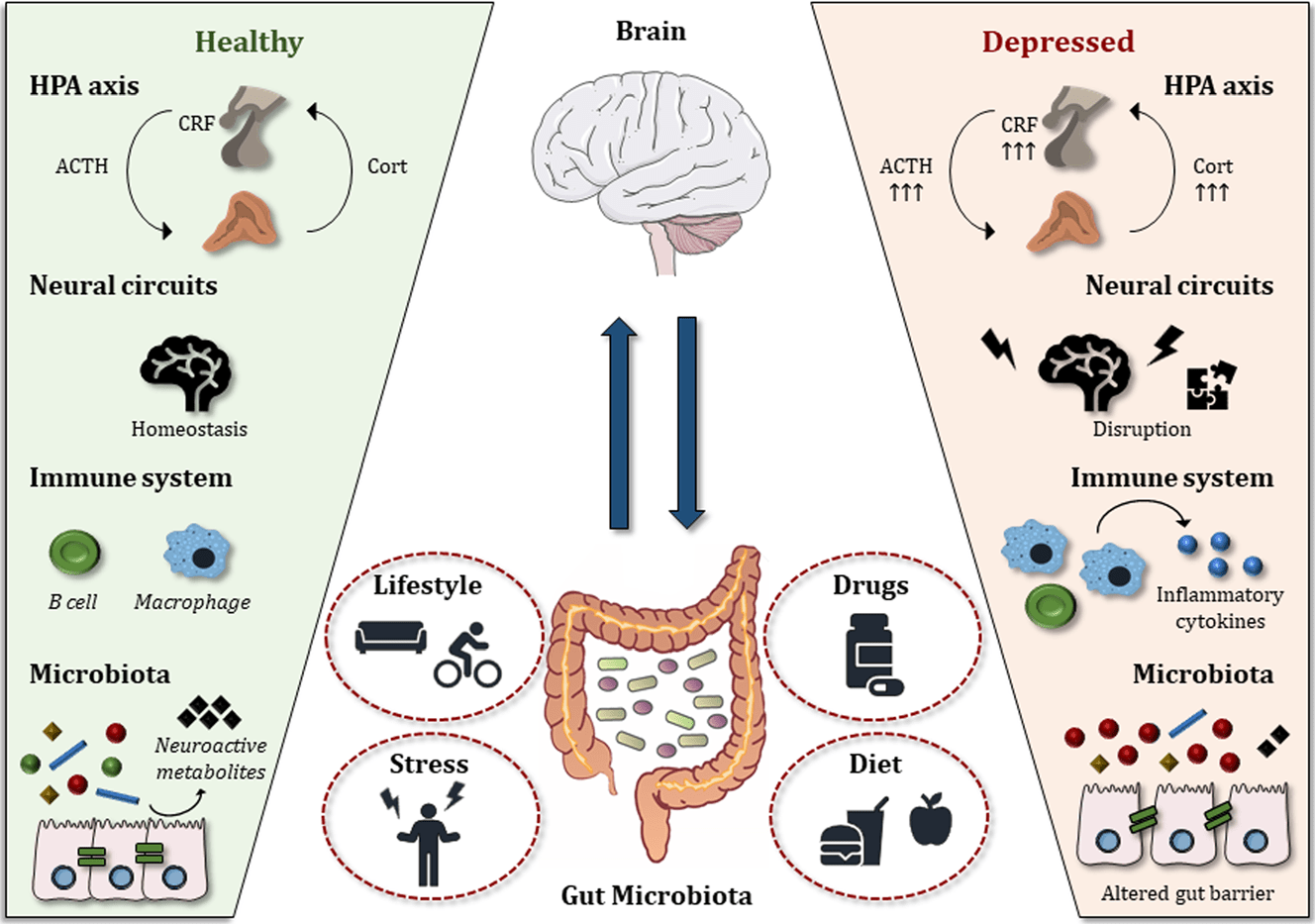
When gut bacteria are out of balance (a condition known as dysbiosis), this can lead to inflammation and an overactive immune response. The gut-brain axis, a two-way communication network between the gut and central nervous system, means that gut imbalances can manifest as brain fog, anxiety, depression, and even neurological disorders like multiple sclerosis and Parkinson’s disease (1).
Key Bacterial Strains That Influence Health
- Lactobacillus rhamnosus – Known for its positive effects on anxiety and stress regulation by increasing GABA receptors in the brain. Too little of this strain is linked to heightened anxiety and depressive symptoms, while too much can sometimes lead to histamine intolerance in sensitive individuals.
- Bifidobacterium longum – Helps reduce inflammation and plays a role in serotonin production, supporting mood and cognitive function. Deficiency in this strain is associated with increased inflammation and higher stress responses, while excessive amounts can contribute to bloating if not balanced with other strains.
- Akkermansia muciniphila – Essential for gut barrier integrity; low levels are linked to obesity, insulin resistance, and inflammation. Too little of this strain weakens the gut lining, leading to leaky gut, while overgrowth may contribute to excessive mucus degradation, potentially damaging gut integrity.
- Clostridium difficile & Escherichia coli (E. coli) – These can become pathogenic when overgrown, contributing to gut inflammation, bloating, and even neurological symptoms. A small amount is normal in a healthy gut, but too much can lead to severe infections, diarrhea, and chronic inflammation.
- Methanobrevibacter smithii – A key player in methane-dominant SIBO, contributing to bloating, constipation, and slow gut motility. High levels can cause excessive methane production, leading to constipation and gas, while too little can reduce fiber digestion efficiency.

The Body as a System: The Gut’s Influence Beyond Digestion
The gut isn’t an isolated system; it’s deeply interconnected with nearly every function in the body. When the microbiome is out of balance, it can lead to widespread disruptions affecting the thyroid, adrenal glands, hormone production, metabolism, and even fat loss. For example:
- Thyroid Function: Gut inflammation and dysbiosis can inhibit the conversion of T4 to active T3, contributing to hypothyroidism and sluggish metabolism.
- Adrenal Health: Chronic stress combined with an imbalanced gut can lead to adrenal fatigue, causing exhaustion, brain fog, and weakened immunity.
- Hormone Regulation: The gut microbiome helps metabolize and regulate estrogen, and an imbalance can contribute to estrogen dominance, leading to issues like PMS, fibroids, and mood swings.
- Fat Loss & Metabolism: Beneficial bacteria play a role in insulin sensitivity and fat storage. Dysbiosis can lead to insulin resistance, increased fat accumulation, and difficulty losing weight.
Because the gut is central to so many processes, treating it holistically can have profound effects on overall health and well-being.

What Disrupts the Microbiome?
The modern lifestyle is full of microbiome disruptors that many people don’t think twice about. Here are a few key offenders:
1. Antibiotics and Medications
While antibiotics can be life-saving, they also wipe out beneficial bacteria along with harmful ones. Other medications, including NSAIDs, proton pump inhibitors (PPIs), and even antidepressants, can alter gut bacteria and create long-term imbalances (2).
2. Diet High in Processed Foods and Sugar
Diets rich in refined sugars and ultra-processed foods promote the growth of harmful bacteria while starving beneficial microbes. Additionally, artificial sweeteners like aspartame and sucralose have been shown to negatively impact the microbiome and metabolic health (3).
- Refined sugars feed Candida overgrowth, leading to bloating, fatigue, and skin issues.
- Processed vegetable oils (like canola and soybean oil) disrupt gut balance by increasing inflammation.
- Gluten and dairy (for some individuals) can contribute to gut permeability and trigger immune responses. This is largely due to the impact of zonulin, a protein that regulates the tight junctions of the gut lining. When zonulin levels increase—often in response to gluten exposure—it can lead to a breakdown of the gut barrier, allowing harmful particles to enter the bloodstream and triggering inflammation and autoimmune reactions.
- Fermented foods like kimchi and sauerkraut can support beneficial bacteria but should be consumed in moderation to avoid exacerbating overgrowths.
3. Chronic Stress
Stress isn’t just a mental burden; it directly impacts gut bacteria. High levels of cortisol can reduce bacterial diversity, increase gut permeability (“leaky gut”), and drive systemic inflammation (4).
4. Environmental Toxins
Pesticides, heavy metals, and even chemicals found in personal care products can disrupt the microbiome and contribute to inflammation. Glyphosate, a widely used herbicide, has been linked to gut dysbiosis and immune dysfunction (5).
5. Overuse of Probiotics
While probiotics can be beneficial, too much of a good thing is still too much. Flooding the gut with probiotics without understanding what is needed can lead to bacterial overgrowth and symptoms like bloating, diarrhea, and brain fog. Small intestinal bacterial overgrowth (SIBO) is a perfect example of how excessive bacterial presence in the wrong area of the gut can cause significant distress (6).

The Lesser-Known Symptoms of Gut Dysfunction
Gut imbalance doesn’t just show up as bloating or stomach pain. Here are some lesser-known symptoms and why they happen:
- Sensitivity to Light and Sound: Neuroinflammation caused by gut dysbiosis can heighten sensory sensitivities. When the gut lining is compromised, inflammatory cytokines can cross the blood-brain barrier, leading to increased neural excitability and hypersensitivity to stimuli.
- Skin Issues (Eczema, Psoriasis, Acne): The gut-skin axis means that bacterial imbalances can trigger inflammatory skin conditions. When the gut is inflamed, toxins and undigested food particles can enter the bloodstream, leading to systemic inflammation that manifests as skin reactions.
- Autoimmune Flare-ups: Conditions like Crohn’s, lupus, and rheumatoid arthritis are often linked to gut dysbiosis. A leaky gut allows foreign particles to enter circulation, confusing the immune system and triggering an attack on the body’s own tissues.
- Anxiety and Panic Attacks: Overgrowth of certain bacteria can increase histamine levels, triggering anxiety-like symptoms. Gut bacteria play a key role in neurotransmitter production, and an imbalance can disrupt serotonin and dopamine levels, leading to mood instability and heightened stress responses.
If You Decide to Take a Probiotic
Adding probiotics and fermented foods to your routine can be beneficial, but it’s important to introduce them gradually. Many people experience temporary side effects as their gut adjusts, such as bloating, gas, and mild digestive discomfort. This happens because probiotics alter gut bacteria composition, leading to changes in fermentation and gas production.
To minimize discomfort, go low and slow – start with small amounts and increase gradually. Avoid adding multiple new fermented foods or probiotic supplements at once, as this can overwhelm the gut and cause unnecessary distress.
Here are some good practices to follow:
Choosing the Right Probiotic
Not all probiotics are created equal. When selecting a probiotic supplement, consider the following:
- Look for diversity – A multi-strain formula with Lactobacillus and Bifidobacterium species is a good start.
- Colony-forming units (CFUs) – For general maintenance, 5-10 billion CFUs per day is sufficient. For gut repair, doses of 25-50 billion CFUs may be beneficial.
- Survivability – Spore-based probiotics tend to be more resilient and can better survive stomach acid.
How to Take Probiotics and Support Your Gut Naturally
- With food or without? Many experts recommend taking probiotics on an empty stomach when stomach acid levels are lower, allowing more bacteria to survive the journey to the intestines. Morning (or before bed), at least 30 minutes before eating, can be ideal for maximum effectiveness.
- Time of day? Taking probiotics in the morning or before bed can be beneficial, but consistency is key. Habit Stack! Wake up, drink water with some trace minerals and take your probiotic.
- Pair with prebiotics – Prebiotics like inulin, chicory root, and resistant starch feed probiotics and help them thrive.

Best Foods to Naturally Support Gut Health
In addition to probiotics, incorporating prebiotic and fermented foods can significantly improve gut balance. Here’s what to include:
Daily Gut-Friendly Foods:
- Yogurt (unsweetened, organic – homemade fermented yogurt is a win here) – 1 serving (high in Lactobacillus)
- Sauerkraut (raw, unpasteurized) – 1-2 tbsp
- Kimchi – 1-2 tbsp
- Kefir – 1/2 cup
- Garlic & Onions – Natural prebiotics that feed beneficial bacteria
Weekly Gut-Friendly Foods:
- Bone Broth – Supports gut lining integrity (2-3 cups per week)
- Fermented Vegetables – A variety to increase microbiome diversity
- Legumes & Resistant Starches (e.g., cooked and cooled potatoes, green bananas) – Feed beneficial bacteria
A Functional Approach: The “Flush”
One method that has been gaining traction in functional medicine is the “Flush.” This is a natural way to clear out bacterial overgrowths, reset the gut, and support liver detoxification. The process typically involves a combination of antimicrobial herbs, digestive enzymes, and a temporary reduction of fermentable foods. The idea is to starve out problematic bacteria while supporting the liver’s ability to detoxify built-up toxins.
If this resonates with you, know that you don’t have to navigate this alone. Healing your gut isn’t a one-size-fits-all process, and sometimes, the right guidance can make all the difference. I’ve been there – I know how frustrating and overwhelming it can feel when you’re searching for answers. If you’re ready to take control of your health and need support in figuring out the next steps, I’d love to help you develop a plan that actually works for your unique needs.

Listen to Your Gut
Your gut isn’t just digesting food; it’s dictating your mood, immune response, and overall well-being. If you are experiencing unexplained symptoms, consider the microbiome as a potential culprit. Research is still emerging, but one thing is clear—gut health is central to whole-body health.
So, the next time you’re feeling anxious, fatigued, or inflamed, ask yourself:
Is my gut trying to tell me something?
Connect with Me
If this information sparks interest and you’re looking for guidance on improving your gut health, you can connect with me through the following resources:
- Website: [Limitless Physiques]
- 20% off the Titan Nutrition Store: [Titan Nutrition]
- Dispensaries for Quality Supplements: [Pure Encapsulations] *You’ll need Practitioner code 972244
While I will never diagnose or claim to cure or treat (not a MD here!) – I AM here to empower you with the knowledge and tools to feel your best. You don’t have to settle for feeling ‘off’ – real healing is possible.
Yours in Health,
Britt Larson
@coachmusclenugget @LimitlessHealthandPerformance

Disclaimer
The information in this article is for educational purposes only and is not intended to replace professional medical advice, diagnosis, or treatment. Always seek the guidance of a qualified healthcare provider with any questions regarding your health or a medical condition.
References:
- Cryan, J. F., & Dinan, T. G. (2012). “Mind-altering microorganisms: the impact of the gut microbiota on brain and behavior.” Nature Reviews Neuroscience, 13(10), 701–712.
- Maier, L., et al. (2018). “Extensive impact of non-antibiotic drugs on human gut bacteria.” Nature, 555(7698), 623–628.
- Suez, J., et al. (2014). “Artificial sweeteners induce glucose intolerance by altering the gut microbiota.” Nature, 514(7521), 181–186.
- Foster, J. A., Rinaman, L., & Cryan, J. F. (2017). “Stress & the gut-brain axis: Regulation by the microbiome.” Neurobiology of Stress, 7, 124–136.
- Mesnage, R., & Antoniou, M. N. (2017). “Facts and fallacies in the debate on glyphosate toxicity.” Frontiers in Public Health, 5, 316.
- Pimentel, M., et al. (2003). “Small intestinal bacterial overgrowth: A framework for understanding irritable bowel syndrome.” The American Journal of Gastroenterology, 98(12), 2540–2550.