
By Britt Larson, Functional Health & Competitive Coaching
Who is Akkermansia? Your gut’s new bestie, of course! Well, not “new”. Akk has been around, but studies are now showing the highlights of this rad baddie in the microbiome world. From skin conditions, to autoimmune and obesity – Buckle In – Akkermansia has you covered.
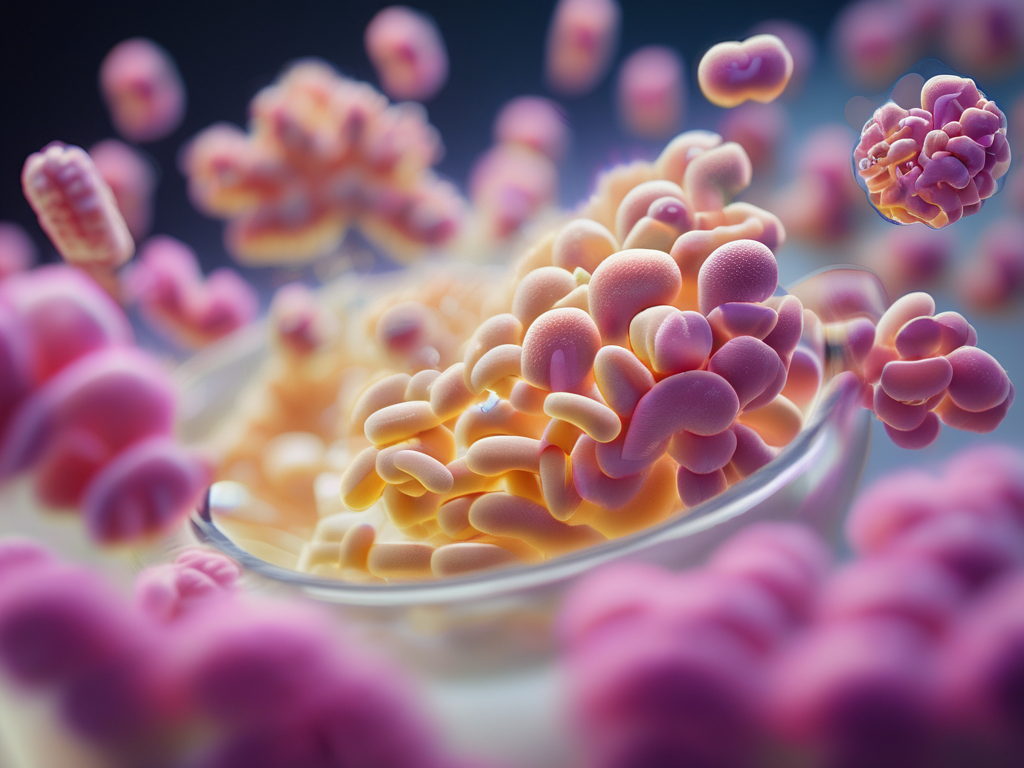
Akkermansia muciniphila is a beneficial gut bacterium that has gained attention for its numerous health benefits. In this blog article, we will go into the scientific studies supporting its advantages, its role in gut health, and its potential benefits for various health conditions, including atopic skin issues, autoimmune diseases, diabetes, and obesity. Additionally, we will discuss how Akkermansia can improve baby health and provide guidelines on how to effectively incorporate it into your routine. We will also explore the connections between Akkermansia and the increasingly popular GLP weight loss injections, examining the long-term health impacts of these injections and how Akkermansia may just serve as a natural alternative.
Enhancing Gut Health with Akkermansia muciniphila
The Role of Akkermansia in Gut Health
This Gut Good Guy is abundant in the mucous layer of the gut lining. It contributes significantly to gut health by promoting the production and maintenance of the mucus layer, which acts as a protective barrier and is often broken down in the gut due to inflammation. This mucus layer is important because it prevents harmful bacteria and toxins from penetrating the gut wall and entering the bloodstream, thus maintaining gut integrity and overall health.
Mechanisms of Action
- Mucus Production and Maintenance
- Akkermansia stimulates the production of mucus by goblet cells in the intestinal lining, benefiting you by creating a thick mucus layer that protects the gut epithelium, preventing pathogens from adhering to and penetrating the gut
- Strengthening the Gut Barrier
- Akkermansia enhances the expression of tight junction proteins, which are critical for maintaining the integrity of the gut barrier. These strengthened tight junctions prevent the leakage of harmful substances from the gut into the bloodstream, reducing systemic inflammation.
- Anti-inflammatory Effects
- Akkermansia modulates the immune response and reduces the production of pro-inflammatory cytokines. Lower levels of inflammation in the gut contribute to overall metabolic health and can prevent chronic diseases related to inflammation – think autoimmune, mental health, insulin resistance.
Real-Life Examples of Enhanced Gut Health
Case Study: Improved Metabolic Health in Obese Individuals Consider an obese individual suffering from metabolic syndrome, characterized by insulin resistance, high blood pressure, and high cholesterol levels. With the introduction of Akkermansia muciniphila through diet or supplementation, the individual experiences improved insulin sensitivity, reduced inflammation, and a healthier lipid profile. This improvement is linked to the increased production of mucus and a strengthened gut barrier, preventing endotoxemia (the presence of endotoxins in the blood), which can drive metabolic dysfunction and inflammation.
Case Study: Reduction of Gut Inflammation in IBS Patients Another example involves a patient with Irritable Bowel Syndrome (IBS) experiencing chronic gut inflammation, bloating, and discomfort. Supplementation with Akkermansia muciniphila leads to reduced bloating and discomfort and a significant decrease in gut inflammation markers. The anti-inflammatory effects of Akkermansia play a crucial role in modulating the immune response and restoring gut health.
Case Study: Enhanced Recovery from Antibiotic-Induced Dysbiosis Lastly, consider an individual who has undergone a course of antibiotics resulting in dysbiosis (imbalance in gut microbiota) and weakened gut barrier function. Post-antibiotic supplementation with Akkermansia muciniphila shows rapid improvement in gut health, with a restored balance of gut microbiota and a reinforced mucus layer. This recovery is crucial for preventing the recurrence of infections and maintaining long-term gut health.
Impact on GLPs (Glucagon-Like Peptides)
Akkermansia has a significant influence on the production of glucagon-like peptides (GLPs), particularly GLP-1. GLP-1 is a crucial hormone involved in regulating blood sugar levels and appetite. By enhancing the secretion of GLP-1, Akkermansia contributes to improved glucose metabolism and a reduced risk of type 2 diabetes. Those fancy weight loss injections that come with loads of gross side effects? Yeah, this is the natural approach, only without the potential long-term health risks associated with synthetic injections.

Mechanisms of GLP-1 Enhancement
- Stimulation of GLP-1 Secretion
- Akkermansia increases the secretion of GLP-1 from the L-cells in the gut. This hormone plays a vital role in stimulating insulin secretion in response to meals, thereby helping regulate blood sugar levels.
- Regulation of Appetite
- GLP-1 is also known for its appetite-regulating properties. By enhancing GLP-1 levels, Akkermansia can help reduce food intake and promote satiety, contributing to weight management.
- Improvement in Insulin Sensitivity
- Enhanced GLP-1 secretion improves insulin sensitivity, which is crucial for individuals with insulin resistance or type 2 diabetes. This improvement helps the body use insulin more effectively, reducing blood sugar levels.
Real-Life Examples of GLP-1 Enhancement
Case Study: Improved Glucose Control in Type 2 Diabetes Consider an individual diagnosed with type 2 diabetes, struggling with high blood sugar levels despite medication. After incorporating Akkermansia muciniphila supplements into their routine, the individual experiences improved glucose control. Enhanced GLP-1 secretion leads to better insulin response post-meals, resulting in more stable blood sugar levels throughout the day.
Case Study: Weight Management in Overweight Individuals A person struggling with obesity and overeating starts taking Akkermansia muciniphila supplements. Over time, the individual notices a decrease in appetite and food intake, attributed to the increased GLP-1 levels. This reduction in appetite helps the person manage their weight more effectively, contributing to overall metabolic health.
Supporting Studies
Research underscores the beneficial impact of Akkermansia on GLP-1 levels. A study by Everard et al. (2013) demonstrated that Akkermansia can enhance GLP-1 secretion, leading to improved glucose metabolism in obese mice. Another study by Cani et al. (2009) highlighted that metabolic endotoxemia and insulin resistance can be mitigated by Akkermansia, partly through its effect on GLP-1.
In a Nutshell
Akkermansia is your homie that plays a critical role in enhancing GLP-1 secretion, thereby improving glucose metabolism and aiding in appetite regulation. By incorporating Akkermansia-supporting foods and supplements into their routines, individuals can achieve better blood sugar control, manage their weight more effectively, and reduce their risk of type 2 diabetes. Understanding and leveraging the benefits of Akkermansia on GLP-1 can lead to significant improvements in metabolic health and overall well-being.

Benefits for Atopic Skin Issues: Eczema & Psoriasis
Emerging research highlights a compelling link between gut health and skin conditions like eczema and psoriasis. Akkermansia, known for its role in reducing gut inflammation, may offer therapeutic benefits for atopic skin issues by addressing underlying systemic inflammation.

Mechanisms of Action
- Reduction of Gut Inflammation
- Akkermansia muciniphila helps reduce gut inflammation by enhancing gut barrier function and modulating the immune response. This reduction in gut inflammation can lead to lower systemic inflammation levels throughout the body.
- Impact on Systemic Inflammation
- Lower systemic inflammation levels have been associated with improvements in atopic skin conditions. By addressing gut inflammation, Akkermansia may indirectly alleviate symptoms such as itching, redness, and flares characteristic of eczema and psoriasis.
Real-Life Examples and Case Studies
Case Study: Eczema Management Consider a patient suffering from chronic eczema, experiencing frequent flare-ups despite topical treatments. After incorporating Akkermansia muciniphila supplements to support gut health, the patient notices a reduction in the severity and frequency of eczema flares. This improvement is attributed to Akkermansia’s ability to lower systemic inflammation, addressing one of the root causes of the skin condition.
Case Study: Psoriasis Relief Another example involves a patient with psoriasis, characterized by inflamed, scaly patches on the skin. Through dietary adjustments to promote Akkermansia growth and supplementation, the patient experiences decreased inflammation and improved skin appearance. Akkermansia’s impact on gut health contributes to overall systemic balance, positively influencing skin health.
Supporting Studies
Research supports the connection between gut health and atopic skin issues. Studies have shown that gut dysbiosis and inflammation can exacerbate conditions like eczema and psoriasis. In addition to improving gut health and reducing inflammation through proper diet, Akkermansia muciniphila may provide additional therapeutic benefits for these skin conditions.
Skin in the Game
Akkermansia shows promise in alleviating symptoms of atopic skin issues by reducing gut inflammation and systemic inflammation levels. By improving overall gut health, Akkermansia may offer a natural and effective approach to managing eczema, psoriasis, and other inflammatory skin conditions. As usual, further research is needed to fully understand its therapeutic potential and optimize treatment strategies for skin health.
Positive Impact on Autoimmune Conditions
Autoimmune diseases, such as rheumatoid arthritis, multiple sclerosis, diabetes, and even Crohns are increasingly linked to some form of dysbiosis, an imbalance in the gut microbiome. Akkermansia, known for its ability to strengthen the gut barrier and modulate immune responses, shows promising potential in helping manage autoimmune conditions by addressing underlying inflammation and immune dysregulation (along with various lifestyle adjustments).

Mechanisms of Action
- Strengthening the Gut Barrier
- Akkermansia enhances the production of mucin and promotes the integrity of the gut epithelium. This strengthens the gut barrier, reducing the leakage of harmful substances into the bloodstream that can trigger autoimmune responses. Seal it, baby!
- Modulation of the Immune System
- Akkermansia interacts with the immune system, promoting a balanced immune response and reducing inflammation. This modulation may help mitigate the auto response seen in immune conditions.
Real-Life Examples and Case Studies
Case Study: Rheumatoid Arthritis Management Imagine a patient diagnosed with rheumatoid arthritis, experiencing joint pain, stiffness, and inflammation despite conventional treatments. Introducing Akkermansia muciniphila through dietary adjustments and supplementation leads to a noticeable reduction in inflammation markers and improvement in joint symptoms. Akkermansia’s ability to strengthen the gut barrier and modulate immune responses contributes to managing autoimmune flare-ups.
Case Study: Multiple Sclerosis Support Another example involves a patient with multiple sclerosis, facing challenges with immune dysregulation and neuroinflammation. Incorporating Akkermansia-supporting strategies into their lifestyle helps stabilize immune responses and potentially slows disease progression. The gut-brain axis benefits from Akkermansia’s influence on gut health, showing promise in managing autoimmune aspects of multiple sclerosis.
Supporting Studies
Research underscores the relationship between gut health and autoimmune diseases. Studies have demonstrated that dysbiosis can exacerbate autoimmune conditions, while interventions that restore gut microbiome balance, such as Akkermansia muciniphila supplementation, may alleviate symptoms and improve disease outcomes.
AK and Immune
Akkermansia muciniphila shows promise in managing autoimmune conditions by strengthening the gut barrier, modulating immune responses, and reducing inflammation. By addressing underlying gut dysbiosis and including Akkermansia, it offers a potential natural approach to complement conventional therapies for autoimmune diseases. Further research is on the horizon to fully elucidate its therapeutic potential and optimize treatment strategies for autoimmune conditions.
Effects on Diabetes and Obesity
Akkermansia’s impact on diabetes and obesity stems from its ability to modulate gut health and metabolic processes. REsearch shows that individuals with diabetes and obesity often exhibit lower levels of Akkermansia in their gut microbiota, making supplementation with Akkermansia a potential avenue to improve insulin sensitivity, reduce fat mass, and enhance overall metabolic health and longevity.

Mechanisms of Action
- Improvement in Insulin Sensitivity
- Akkermansia muciniphila supplementation has been shown to improve insulin sensitivity, which is beneficial for individuals with insulin resistance or type 2 diabetes. Enhanced insulin sensitivity allows cells to respond more effectively to insulin, leading to better blood sugar control.
- Reduction in Fat Mass
- Studies indicate that Akkermansia can help reduce fat mass in overweight individuals. By influencing energy metabolism and fat storage, Akkermansia may contribute to weight management efforts.
- Enhancement of Metabolic Health
- Akkermansia’s role in promoting a healthy gut microbiome and reducing systemic inflammation contributes to enhanced metabolic health. This includes improvements in lipid profiles, glucose metabolism, and overall metabolic function.
Real-Life Examples and Case Studies
Case Study: Improved Glucose Control in Type 2 Diabetes Consider a patient diagnosed with type 2 diabetes, struggling with high blood sugar levels despite medication and dietary adjustments. Introducing Akkermansia muciniphila supplements as part of their treatment plan leads to noticeable improvements in insulin sensitivity and glucose control. This improvement reduces reliance on insulin therapy and supports long-term management of diabetes.
Case Study: Weight Management in Obesity Another example involves an overweight individual seeking to manage their weight and improve metabolic health. Incorporating Akkermansia-supporting strategies, such as dietary modifications and supplementation, results in a gradual reduction in fat mass and improvements in metabolic markers. Akkermansia’s influence on gut microbiota balance supports sustainable weight loss efforts.

Supporting Studies
Research supports the beneficial effects of Akkermansia muciniphila on diabetes and obesity:
- Studies have demonstrated that Akkermansia supplementation can improve glucose tolerance and insulin sensitivity in animal models and human trials.
- Akkermansia’s ability to reduce fat mass and enhance metabolic health has been linked to its impact on gut barrier function and inflammation regulation.
The Skinny on Akkermansia and Obesity
Akkermansia shows promise as a therapeutic target for diabetes and obesity by improving insulin sensitivity, reducing fat mass, and enhancing metabolic health. By addressing gut dysbiosis and promoting a healthy gut microbiome, Akkermansia offers a natural approach to complement conventional treatments and support long-term management of metabolic conditions.
Improving Infant Health with Akkermansia
The role of Akkermansia muciniphila in improving your baby’s health centers around its impact on the early development of the gut microbiome and immune system. The gut microbiome plays a crucial role in shaping immune responses and overall health outcomes in infants. Akkermansia may support healthy gut development, potentially reducing the risk of allergies and autoimmune diseases later in life!

Mechanisms of Action
- Early Gut Microbiome Development
- Early exposure to Akkermansia through seeding via the mother’s milk or supplementation can influence the composition of the infant’s gut microbiome. This early colonization is critical for establishing a diverse and balanced microbiota, which supports immune system maturation.
- Support for Immune System Development
- Akkermansia’s presence in the gut microbiome contributes to immune system education and regulation in infants. This early interaction helps train the immune system to distinguish between harmless and harmful substances, reducing the risk of allergies and autoimmune reactions later in life.
Real-Life Examples and Case Studies
Seeding the Baby’s Gut through Mother’s Milk Imagine a scenario where a breastfeeding mother includes Akkermansia and supporting foods in her diet. This dietary intake promotes Akkermansia colonization in her gut, which is then transferred to her baby through breastfeeding. Research suggests that breast milk contains beneficial microbes that contribute to the development of the infant’s gut microbiome and immune system, potentially lowering the risk of allergies and autoimmune diseases in the child’s later life.
Supplementation during Infant Feeding In cases where breastfeeding is not possible, or as a complement to breastfeeding, Akkermansia supplementation for infants may be considered under medical guidance. This supplementation aims to support healthy gut microbiome development and immune system maturation, mimicking the benefits observed with natural seeding through breast milk.
Supporting Studies
Research supports the role of early gut microbiome development in infant health outcomes:
- Studies have shown that early exposure to beneficial microbes, including Akkermansia muciniphila, can shape immune responses and reduce the incidence of allergic conditions.
- The presence of Akkermansia in the infant gut has been associated with a lower risk of developing allergies and autoimmune diseases later in life, highlighting its potential long-term benefits.
Starting Your Little with a Healthy Gut
Akkermansia holds promise in improving baby health by supporting healthy gut microbiome development and immune system maturation. Whether through natural seeding via breast milk or supplementation, early exposure to Akkermansia may reduce the risk of allergies and autoimmune diseases later in life. Further research will provide more exploration on optimal strategies for incorporating Akkermansia into infant care practices and maximizing its potential health benefits.
GLP Weight Loss Injections vs. Akkermansia: A Comparative Analysis
GLP Weight Loss Injections
GLP-1 receptor agonists, such as liraglutide (Victoza, Saxenda) and semaglutide (Ozempic), are pharmaceutical medications used to promote weight loss and manage type 2 diabetes. These injections work by enhancing insulin secretion, slowing gastric emptying, and reducing appetite, which collectively contribute to weight reduction and improved glucose control. They are often associated with serious side effects that impact metabolism, gut health, muscle loss, long-term health and longevity.

Adverse Effects of GLP-1 Agonists:
- Impact on Gut Health:
- Prolonged use of GLP-1 agonists can disrupt the gut microbiota, potentially leading to dysbiosis. This imbalance in gut bacteria can affect overall gut health and may have long-term consequences on digestion, systemic inflammation, and nutrient absorption.
- Metabolic Rate:
- While effective for weight loss, studies suggest that GLP-1 agonists may lower the basal metabolic rate over time due to loss of muscle. This reduction in metabolic rate can make it challenging to maintain weight loss and may impact overall energy levels.
- Muscle Density:
- There is concern that weight loss achieved through GLP-1 agonists is not selective, meaning they may not just target fat mass but could also lead to a reduction in muscle mass. Preserving muscle density is crucial for metabolic health and physical function.
Akkermansia as a Natural and Long Term Alternative
Akkermansia offers a natural alternative to GLP-1 agonists for weight management and metabolic health. Rather than relying on synthetic medications with intense side effects, Akkermansia leverages its beneficial effects on the gut microbiome and metabolism without the potential adverse effects associated with pharmaceutical interventions.
Real-Life Examples and Case Studies
Case Study: Long-Term Gut Health Consider a patient using GLP-1 agonists for weight loss and diabetes management over several years. Despite initial success in weight reduction, the patient experiences gastrointestinal discomfort and irregular bowel habits, indicating potential gut microbiota disruption. Transitioning to Akkermansia muciniphila supplementation supports gut health restoration, leading to improved digestive function and overall well-being.
Case Study: Metabolic Resilience Another example involves an individual experiencing a decline in metabolic rate after prolonged use of GLP-1 agonists. Introducing Akkermansia muciniphila as part of a comprehensive lifestyle approach helps stabilize metabolic function and supports sustainable weight management. This natural approach focuses on enhancing gut microbiome diversity and metabolic health without compromising muscle density.
Supporting Studies and Evidence
Research underscores the benefits of Akkermansia muciniphila in contrast to GLP-1 agonists:
- Studies highlight Akkermansia’s role in improving gut barrier function, reducing inflammation, and enhancing metabolic parameters.
- Unlike synthetic medications, Akkermansia supports a balanced gut microbiome and metabolic resilience, promoting long-term health benefits without compromising muscle density or metabolic rate.
- Akkermansia poses less risk on health and finances than GLP-1 agonist weight loss injections
Akkermansia for the Win
Akkermansia muciniphila emerges as a promising natural alternative to GLP-1 agonists for weight management and metabolic health. By focusing on enhancing gut microbiome diversity and supporting metabolic resilience, Akkermansia offers a sustainable approach to achieving and maintaining weight loss without the potential adverse effects associated with pharmaceutical interventions. Understanding the differences between GLP-1 agonists and Akkermansia can empower individuals to make informed choices regarding their health and well-being, promoting long-term metabolic health and vitality.
Supplementing with Akkermansia muciniphila
- Sources
- Akkermansia supplements are available through various dispensaries, including those associated with functional health. You can obtain high-quality Akkermansia supplements from my Fullscript dispensary at a savings plus free shipping over $50, where you will find multiple options to suit your needs. Create your own account at the link below: [Fullscript Limitless Health & Performance].
- Dosage and Administration
- It is recommended to take Akkermansia supplements on an empty stomach when stomach acids are lower. This ensures optimal absorption into the gut and higher effectiveness.
- A common dosage guideline is 1 billion to 10 billion CFUs (colony forming units), but it is advisable to consult with a healthcare professional for personalized recommendations.
- Why an Empty Stomach?
- Taking Akkermansia on an empty stomach helps maximize its survival through the acidic environment of the stomach, ensuring it reaches the gut where it can exert its beneficial effects.
Final Conclusion
Akkermansia muciniphila is a powerful player in promoting gut health and overall well-being. Its benefits extend beyond the gut, positively impacting various health conditions, from atopic skin issues to metabolic disorders. By understanding its role and incorporating it properly into your routine, you can harness its full potential to support your health. Additionally, Akkermansia offers a natural alternative to GLP-1 weight loss injections, providing metabolic benefits without the associated long-term health risks.

Until next time, friends, live limitless & embrace the adventure!
COACH B
http://www.limitlessphysiques.com

Note: This is for educational and entertainment purposes only. Britt Larson/Limitless Health & Performance, are not medical doctors. This blog is not meant to diagnose, treat, or cure any ailment. Consult the appropriate health channels when it comes to making decisions for you and your health.
References
- Everard, A., et al. (2013). Cross-talk between Akkermansia muciniphila and intestinal epithelium controls diet-induced obesity. Proceedings of the National Academy of Sciences, 110(22), 9066-9071. Link
- Derrien, M., et al. (2011). Mucin-bacterial interactions in the human oral cavity and digestive tract. Gut Microbes, 1(4), 254-268. Link
- Cani, P. D., et al. (2009). Metabolic endotoxemia initiates obesity and insulin resistance. Diabetes, 56(7), 1761-1772. Link
- Plovier, H., et al. (2017). A purified membrane protein from Akkermansia muciniphila or the pasteurized bacterium improves metabolism in obese and diabetic mice. Nature Medicine, 23(1), 107-113. Link
- Belkaid, Y., & Hand, T. W. (2014). Role of the microbiota in immunity and inflammation. Cell, 157(1), 121-141. Link
- Salem, I., et al. (2018). The gut microbiome as a major regulator of the gut-skin axis. Frontiers in Microbiology, 9, 1459. Link
- Mielcarska, M. B., et al. (2018). Gut microbiota: the role of A. muciniphila in host immunity. Mediators of Inflammation, 2018, 1-8. Link
- Zhang, X., et al. (2020). Akkermansia muciniphila has a protective effect on arthritis by regulating the gut microbiota. Biomedicine & Pharmacotherapy, 127, 110147. Link
- Dao, M. C., et al. (2016). Akkermansia muciniphila and improved metabolic health during a dietary intervention in obesity: Relationship with gut microbiome richness and ecology. Gut, 65(3), 426-436. Link
- Depommier, C., et al. (2019). Supplementation with Akkermansia muciniphila in overweight and obese human volunteers: a proof-of-concept exploratory study. Nature Medicine, 25(7), 1096-1103. Link
- Arrieta, M. C., et al. (2015). Early infancy microbial and metabolic alterations affect risk of childhood asthma. Science Translational Medicine, 7(307), 307ra152. Link
- Milani, C., et al. (2017). The first microbial colonizers of the human gut: composition, activities, and health implications of the infant gut microbiota. Microbiology and Molecular Biology Reviews, 81(4), e00036-17. Link
- Salles, J., et al. (2019). Effect of GLP-1 receptor agonists on muscle mass and function: current evidence and future perspectives. Diabetes, Obesity and Metabolism, 21(1), 33-40. Link
- Drucker, D. J. (2018). Mechanisms of action and therapeutic application of glucagon-like peptide-1. Cell Metabolism, 27(4), 740-756. Link
- Cani, P. D., et al. (2012). Akkermansia muciniphila promotes metabolic improvements through modulation of the gut microbiota and gut barrier function. Gut, 61(8), 1111-1121. Link
- Everard, A., et al. (2013). Cross-talk between Akkermansia muciniphila and intestinal epithelium controls diet-induced obesity. Proceedings of the National Academy of Sciences, 110(22), 9066-9071. Link